Sponsorships let you host bigger events without betting your entire budget on ticket sales. If you land the right sponsors, you can cover costs and still deliver a great event experience.
But there’s a teeny tiny problem—every organizer is chasing the same sponsor dollars. Logos on photo booths don't cut it anymore. You need creative activations that give sponsors ROI while adding value for attendees.
What Do Sponsors Want From Events?

Before you design your sponsorship opportunities, you need to understand what drives sponsors’ investment decisions.
There are four main sponsorship objectives: brand exposure, lead generation, thought leadership, and measurable ROI.
Brand Exposure
Brand visibility is the baseline. Companies pour money into sponsorships to stay top of mind in their niche.
Sponsor logos on your event website, banners across the venue, mentions in email blasts—these are all excellent options. Less common ideas—like branded phone charging stations and sponsored WiFi—also work well.
Lead Generation
Growth-stage sponsors care about pipeline as much as impressions. They want qualified attendee data and clear follow-up opportunities that turn event interactions into sales conversations.
Thought Leadership
Forward-thinking event sponsors want more than visibility and leads—they want authority. Speaking slots, panel discussions, and workshops let them position themselves as experts in front of their target audience.
Measurable ROI
Regardless of their goals, all sponsors need concrete numbers: total impressions, lead volume, engagement rates, and pipeline attribution when you can track it.
Real-time analytics during the event and detailed post-event reports that cover booth traffic, session attendance, content downloads, and social mentions give sponsors the proof they need to justify the investment.
In-Person Sponsorship Ideas
Here's how to monetize every square foot of your venue while creating valuable attendee experiences.
Stage or Keynote Sponsorship
Main stage placements put sponsor branding in front of your entire audience during keynotes and session transitions. Put logos on screens, stage backdrops, speaker podiums, and intro slides.
Sponsors can also kick off or close the event, introduce keynote speakers, or run award ceremonies.
Software development conference DevDays, for example, builds speaking opportunities directly into their sponsorship tiers. Platinum sponsors get two 40-minute talks, while gold sponsors get one.

Branded Lounges and Networking Areas
Branded lounges give sponsors dedicated space where event attendees can recharge between sessions. Throw in comfortable seating, phone charging stations, and refreshments with sponsor branding scattered throughout.
Booths and Product Demos
Expo hall booths let sponsors showcase products through interactive experiences, live presentations, and face-to-face conversations. Drive booth traffic by including gamification in the hall: spin-to-win wheels, VR stations, and scavenger hunt checkpoints.
Swag and Merchandise
Co-branded merchandise puts sponsor logos on items attendees use long after the event ends. High-quality water bottles, notebooks, comfortable T-shirts, and tote bags get kept and reused.
Swag bags themselves provide sponsorship opportunities. One sponsor can brand the bag everyone carries around the conference floor, with their logo visible across the entire venue. Fill these bags with items from multiple sponsors to create bundled value.
Entertainment and Gamification
Live contests, games, and leaderboards showing top participants create engagement throughout the event and can be used to promote sponsors.
Take sponsor-led scavenger hunts. Attendees hit specific booths and sessions to collect stamps or codes. As they complete the hunt, they win prizes, and sponsors get consistent booth traffic.
Amenities Sponsorship
You can brand the necessities attendees rely on: Wi-Fi networks, charging stations, coat check, shuttle buses, and water stations. Alternatively, partner directly with service providers, such as coffee brands running the refreshments stand, telecom companies providing the network, and transportation companies handling the shuttles.
Afterparty Sponsorship
Offer the opportunity for sponsors to host the official event afterparties where attendees let loose after a full day of sessions. These relaxed settings may create stronger connections than booth conversations.
The Digital Marketing Europe Conference, for example, offers a dedicated afterparty sponsorship package for €600. Sponsors get logo placements throughout the venue, social media promotions featuring their brand, acknowledgment during opening and closing ceremonies, and roll-ups positioned around the party space.

Virtual Sponsorship Ideas
Virtual events don't have physical touchpoints, but they can deliver reach that in-person events can't match. Here's how to create sponsor visibility when everything happens on a screen.
Branded Virtual Spaces
Sponsor logos can show up in virtual waiting rooms before sessions start or as digital backdrops during presentations. Augmented reality (AR) filters let attendees use sponsor-themed backgrounds during networking sessions.
Platforms like Hopin, vFairs, and Airmeet let you customize virtual lobbies and integrate sponsor branding into the environment design.
Virtual Booths and Interactive Demos
Virtual booths are dedicated web pages where sponsors showcase products, answer questions, and share resources. Include live chat with real reps, on-demand product videos, and downloadable content gated with lead capture.
Sponsored Sessions and Panels
Sponsors can introduce sessions, present their own content, or participate on expert panels. Format these as webinars, workshops, or moderated Q&A sessions with live polls and interactive elements.
Record everything to turn sessions into on-demand content that continues generating leads after the live event ends.
Bryntum, the platinum sponsor of React Advanced Conference, hosts a workshop for attendees showing them how to integrate its product into developer workflows. Workshop recordings get shared with all full ticket holders after the conference, and React Advanced's recorded content reaches an estimated 500K viewers annually.

Digital Swag Bags and Giveaways
Digital swag bags contain sponsor offers attendees can actually use: extended free trials, discount codes, tool credits, exclusive content, or professional development resources. Bundle these into a downloadable package distributed after registration, or drip-feed swag throughout the event.
Gamification and Polls
Live polls during sessions collect real-time insights on topics that resonated with attendees, challenges attendees are facing, and areas they’re interested in. Share results immediately to spark discussion and package aggregated data for sponsors post-event.
In addition, sponsor-branded challenges turn viewing into participation. Build leaderboards showing top performers across session attendance, booth visits, poll participation, and other activities. Display the leaderboard with sponsor branding and offer prizes to top finishers.
Live Stream Ads and Mentions
You can run re-roll and mid-roll sponsor ads 15 to 30 seconds before keynotes or between sessions.
Verbal sponsor mentions during sessions work too. For example, "Today's keynote is brought to you by [Sponsor], who makes [relevant product]." As long as it’s brief, you avoid the risk of appearing excessively salesy.
You can also place sponsor logos alongside livestreams and recordings. The Digital Marketing Europe Conference does this—sponsor branding is visible throughout streams and on recorded talks that are watched for months after the event ends.

Notifications and Push Messages
Send targeted notifications through your event app or browser platform to specific audience segments. Remind people about sponsored sessions starting soon, share exclusive discount codes from sponsors, and alert attendees about giveaway winners.
Platforms like Bizzabo and Eventify let you segment audiences by ticket tier, expressed interests, and session attendance so you can reach your attendees with the most relevant messages.
VIP Networking
Set up sponsor-hosted breakout rooms or private networking lounges where VIP attendees can book one-on-one meetings with sponsor reps. Use calendar integrations so attendees can easily browse available time slots and book meetings with sponsors they want to talk to.

Hybrid Sponsorship Ideas
If you’re running a hybrid event, give your sponsors an opportunity to show up in both physical and digital spaces. These sponsorship ideas bridge in-person and online experiences and provide the greatest possible reach.
Cross-Platform Activations
Design sponsor activations that engage onsite and virtual attendees simultaneously. For example, you might run scavenger hunts where in-person attendees find QR codes around the venue while virtual attendees search digital spaces for codes. Or offer a rewards system where attendees are able to collect either digital or physical tokens and access the same pool of prizes.
Hybrid Booths
Give sponsors presence in both the physical expo hall and your virtual event platform. The in-person booth can handle demos and face-to-face conversations, while the virtual booth will reach remote attendees with on-demand content and downloadable resources.
The Change Leadership Conference, for example, runs both in-person and virtual exhibition areas where attendees can interact one-on-one with exhibitor reps, grab giveaways, and enter passport contests for prizes.
Dual-Format Content Sponsorship
Let sponsors back a talk that happens live in person, streams to virtual attendees, and lives on-demand afterward. This way, they can include their branding on stage backdrops, in broadcast overlays for virtual viewers, and as pre-roll ads for on-demand recordings.
Event App Sponsorship
Match sponsors to app features. A video conferencing company, for example, could provide the software to run the virtual meeting rooms. A document management solution could package keynote summaries and make them available through your app. When attendees use these features—in person or remotely—they see sponsor branding that actually makes sense in context.
Sponsored Scholarships
Offer sponsors the chance to fund scholarships or discounted tickets for specific audience segments: students, underrepresented groups, or attendees from particular industries or regions.
React Advanced Conference, for example, offered 100 tickets sponsored by GitNation. That's 100 additional attendees who wouldn't have been there otherwise, plus positive brand association for GitNation as the company making it possible.

Data Partnerships
In a data partnership, sponsors get access to valuable audience insights. They receive lead lists, attendee demographics, engagement patterns, content preferences, and behavioral data that they can use for market research and targeting.
For hybrid events, share aggregated data showing how both in-person and virtual audiences interacted with content, which topics drove the most engagement, and how behavior differed between formats.
At DevDays, for example, only Platinum sponsors get access to lead lists. It’s a nice opportunity to provide extra value to your highest-paying partners.
Building Effective Sponsorship Packages
Sponsors come with different objectives and budgets. Because of this, you need to structure packages so they meet a range of different business goals.
Tiered Packages (Silver, Gold, Platinum)
Start with three core tiers offering progressively more visibility and engagement opportunities. It’s important to define clear sponsor benefits and add-ons at each level.
Here’s an example of a tiered package:
Basic Tier (Silver):

Logo placement on event website
Mentions in email blasts
Mid-Tier (Gold):
Everything in Basic
Booth space
Branded push notifications
Premium Tier (Platinum):
Everything in Mid-Tier
Speaking slots
VIP networking access
In the example below, you can see that DevDays Europe offers four distinct sponsorship packages to cater to a range of business types and budgets.

Add-Ons and Naming Rights
Give sponsors flexibility to customize packages without jumping to a tier that includes features they won't use. Offer à la carte options like naming rights for the main stage, keynote sessions, or award ceremonies.
For example, a brand focused on thought leadership might take a mid-tier package plus a speaking slot add-on. Meanwhile, a company chasing leads might add multiple giveaway sponsorships to drive booth traffic.
Align With Sponsor Goals
Structure your packages around what different sponsors actually need. Think about who's buying and what they're trying to accomplish.
Here are three examples of how you might tweak your packages:
Big brands building awareness: Load packages with stage visibility and impression opportunities.
Growth-stage companies: Add a booth upgrade for greater visibility in the main exhibition hall and include company mentions in materials aimed specifically at investors.
Product launches: Include demo space, hands-on experiences, and social media amplification.
Branding Across Channels
Map out every touchpoint where sponsor branding can appear and tier it by sponsorship level. Email campaigns, social media posts, your event website and mobile app, session materials, post-event content—each placement has different visibility and value.
Premium sponsors get the prime real estate, like session intro slides and email headers. Basic sponsors have their logos shown on your website and receive social mentions.
Securing the Right Sponsors
Events are back offline, and the calendar's only getting more crowded. Do your prep to find sponsors who'll say yes and fit with the theme and attendee profile of your event.
Identify Target Sponsors
Start with companies that already serve your audience. These are likely to fit your ideal sponsor profile closely.
Here's where to find companies that target your attendees:
Check who's sponsoring events like yours.
See who's running ads to your demographic on social media platforms like LinkedIn.
Track companies that just raised funding—they're looking to spend on visibility.
List the tools and service providers your attendees already use.
Once you’ve gathered this data, expand beyond the obvious matches. Think about what your attendees care about outside work or what problems they're dealing with. A finance summit, for example, could work with a premium meal kit service, because, you know, analysts eat, too.
Craft Value-Driven Sponsorship Proposals
Lead with specifics to engage potential sponsors. Break down your audience by job title, company size, industry, and decision-making power.
React Advanced does this well with a dedicated landing page that lays out full audience demographics, conference reach, goals the event helps sponsors achieve, and previous partners.

Pre-Event Promotion
When you're promoting your event on LinkedIn, in press releases, and through email campaigns, you're demonstrating reach. High registration numbers, engaged social followers, and media coverage prove you can deliver the audience sponsors want.
Share metrics in promotional materials aimed at sponsors as they come in, like "We logged 500 registrations in the first week" and "Our main keynote announcement has already hit 50K impressions."
Personalized Outreach
Cold outreach to sponsors should meet three criteria. It should be targeted at decision makers, it should be sent on their preferred channels, and it should be personalized.
Find whoever controls the budget—usually someone with a title like Director of Partnerships, Head of Brand Marketing, or VP of Demand Gen. Then check where they're actually active before you reach out. If their LinkedIn hasn't been updated in six months but they're posting on X daily, adjust.
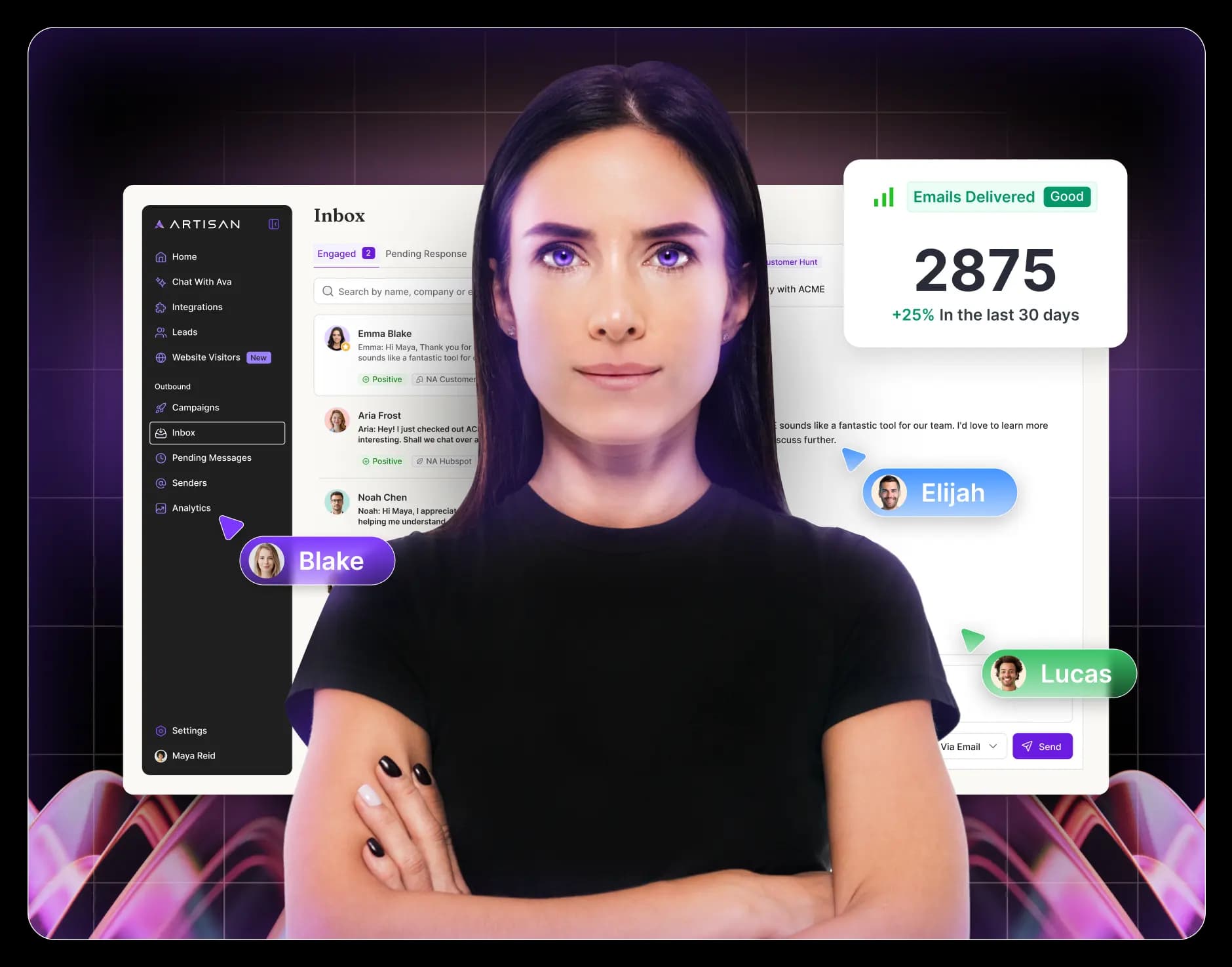
If all of this sounds like a lot of manual work, there is a powerful alternative. AI outbound tools are changing how event organizers run cold outreach campaigns.
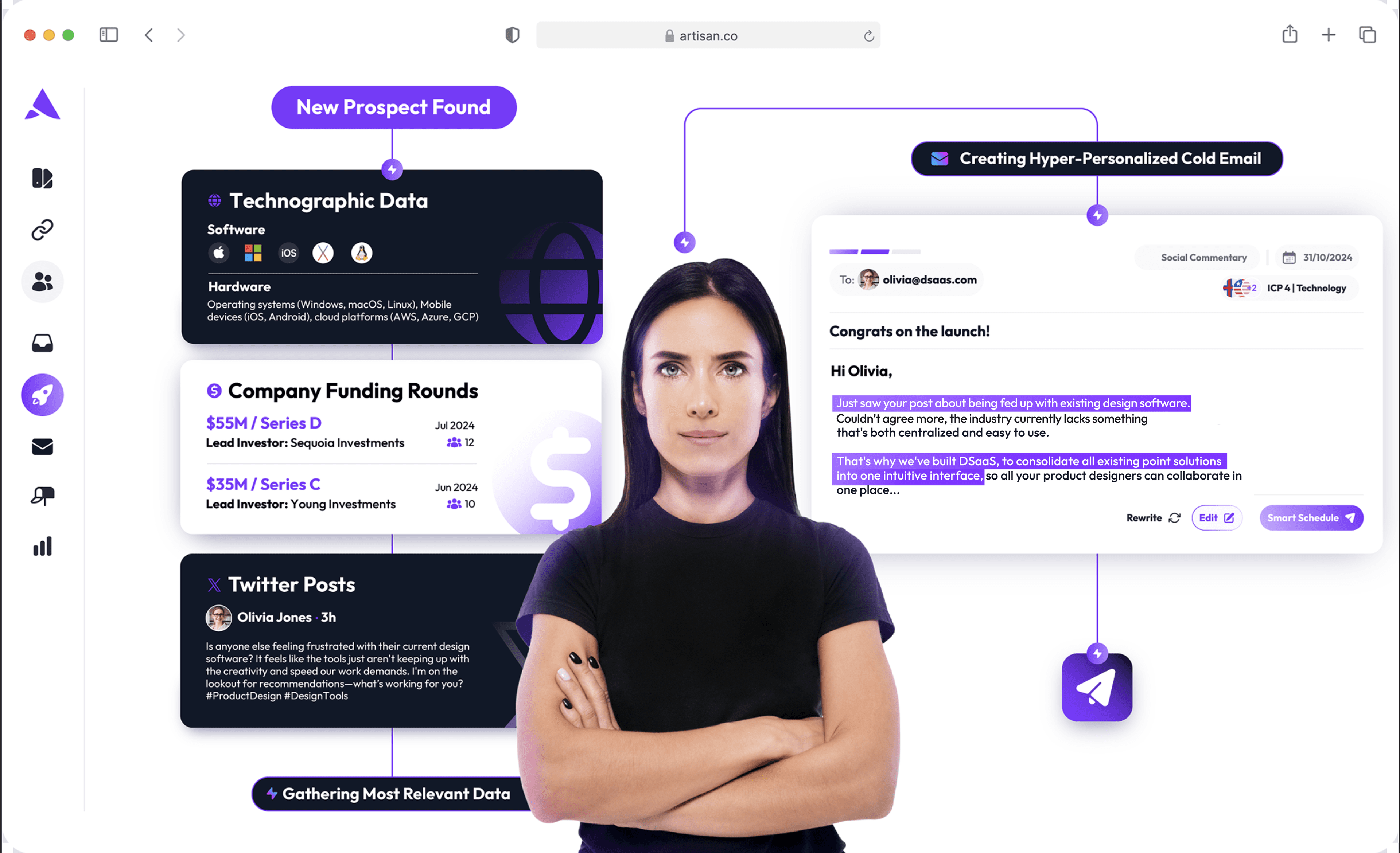
Artisan—which is powered by AI BDR Ava—scans social media, company news, funding announcements, and other web sources to find recent updates about your target sponsors. She then crafts personalized messages that reference what's actually happening at their company.
Post-Event Nurture
Your ultimate goal is turning one-time sponsors into repeat partners for your next events.
With this in mind, send performance reports to sponsors within a week. Include everything you tracked: booth traffic, session attendance, lead numbers, and social reach. And show qualitative feedback from attendees if you collected any.
Do this right and sponsors will come back year after year.
Tools and Automation to Scale Sponsor Outreach
To land even a handful of sponsors, you need to reach out to dozens of prospects. Handling this manually gets messy fast, but you can prevent the chaos by adding several tools to your sales stack.
CRM and Tracking Dashboards
You need a CRM system to organize all your sponsor relationships in one place. This is where you’ll be tracking deliverables, monitoring engagement metrics, and setting reminders for follow-ups.
There’s a multitude of options, from popular CRM systems like HubSpot to a well-structured Notion database. Choose what fits your workflow.
AI BDRs and Outreach Automation
Before you can manage sponsor relationships, you need to secure them first. AI-powered outreach tools like Artisan can help with that.
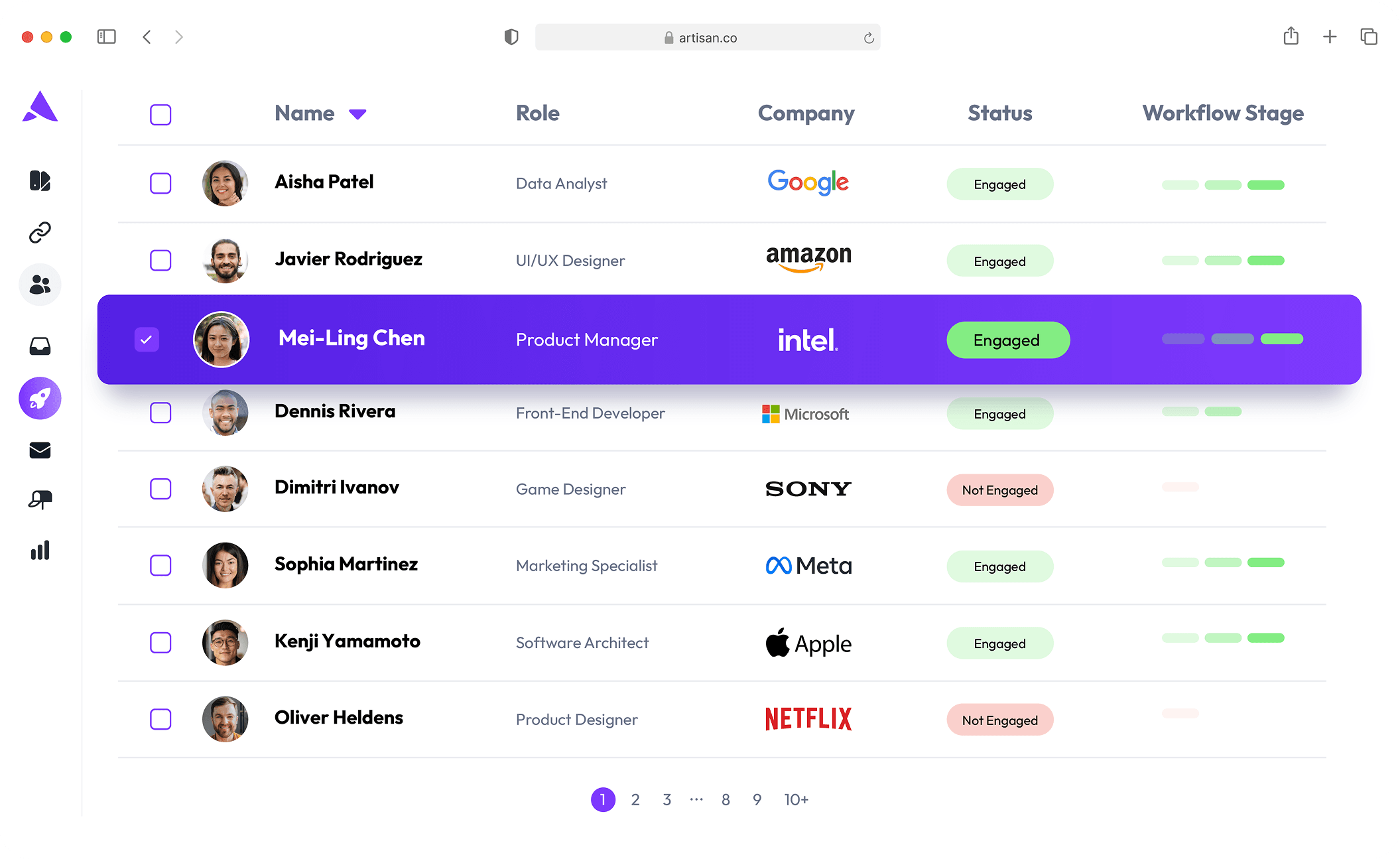
Artisan automates time-consuming tasks like researching potential sponsors (from its 300 million–strong B2B database), personalizing emails and social media messages, and following up without you having to micromanage every account.
Analytics and Lead Tracking
By tracking the performance of your outreach campaigns, you can gradually drive improvements—both in the run-up to your current event and over the long term as you hold future events.
Here’s a quickfire guide to the most important outreach metrics:
Email deliverability tracks how often your emails are reaching recipients’ inboxes. A good email warmup tool, like the one provided by Artisan, will look after deliverability.
Email open rate is the percentage of recipients that open your emails. Improving your subject lines will boost your open rate.
Positive reply rate is the percentage of emails that result in a request for a meeting or further information. The overall quality of your email copy and offer determines your positive reply rate.
Calls booked is the percentage of cold messages that lead to a call with an account executive (AE). Your nurturing sequence and follow-up emails directly affect the number of calls booked.
Win rate measures how well your sales reps are turning qualified leads into customers. To calculate a rep’s win rate, divide the number of closed-won deals by all closed deals (closed-won deals plus list deals) over a given period and multiply by 100 for a percentage.
Ideally, you should be able to access most of these metrics in your sales platform. Artisan comes with a comprehensive analytics dashboard that monitors all aspects of your outbound outreach, along with built-in deliverability optimization.

From Lanyards to Leads: Make It Count
Finding ideal sponsors starts with the research stage: identifying companies actively seeking your audience, understanding their priorities, and crafting sponsor messages that speak to what matters to them.
But doing this manually for hundreds of potential sponsors is time-consuming and inconsistent.
Artisan automates the process. It finds best-fit sponsors, personalizes outreach based on real company data, and manages follow-up at scale. All of which means you can focus more time on running an incredible event.