Top B2B virtual event sponsorship ideas that convert
Find sponsor-ready ideas, from booths to swag bags, and strategies and tools to close more deals with the right partners.
Physical event sponsorships make sense, right?
Sponsors set up booths, slap their logo on the photo backdrop, and hand out free stuff.
Virtual events are trickier for organizers. You can put sponsor logos on your website, obviously. But then what?
There's no physical booth to staff, no coffee station to brand, and no swag bag to fill. How do you design placements that sponsors will actually pay for and attendees won't ignore?
This is the question we’re answering in this guide.
What Is Virtual Event Sponsorship?
Virtual event sponsorship is when brands pay to support your online event in exchange for visibility and access to attendees. Sponsors get logo placements, speaking slots, breakout rooms, or branded chat channels.
Virtual formats lack many of the drawbacks of in-person events:
No venue costs, no travel budget, no booth setup fees eating into ROI
Reach thousands instead of hundreds without adding a single chair or square foot
Every click, session attendance, and content download can be tracked—so sponsors see exactly what they're getting
Why Virtual Sponsorships Matter in a Hybrid World
As we've moved past COVID-era fully online conferences, the virtual component hasn’t gone anywhere. It’s just evolved into hybrid formats.
Hybrid events let people attend in person or online. Social Media Marketing World, for example, hosts yearly conferences with virtual and in-person ticket tiers.

Remote attendees often outnumber in-person ones, but they're easier to ignore from a sponsorship perspective. Virtual sponsorship packages ensure you're not leaving half your audience—and half your sponsor value—on the table.
Sponsors pay for reach and engagement. If you can't deliver both to your entire audience, you're limiting what you can charge and who'll say yes.
What Sponsors Look For in Virtual Partnerships
Sponsors don't write checks for goodwill. Understanding what they care about helps you build sponsorship packages they'll pay for.
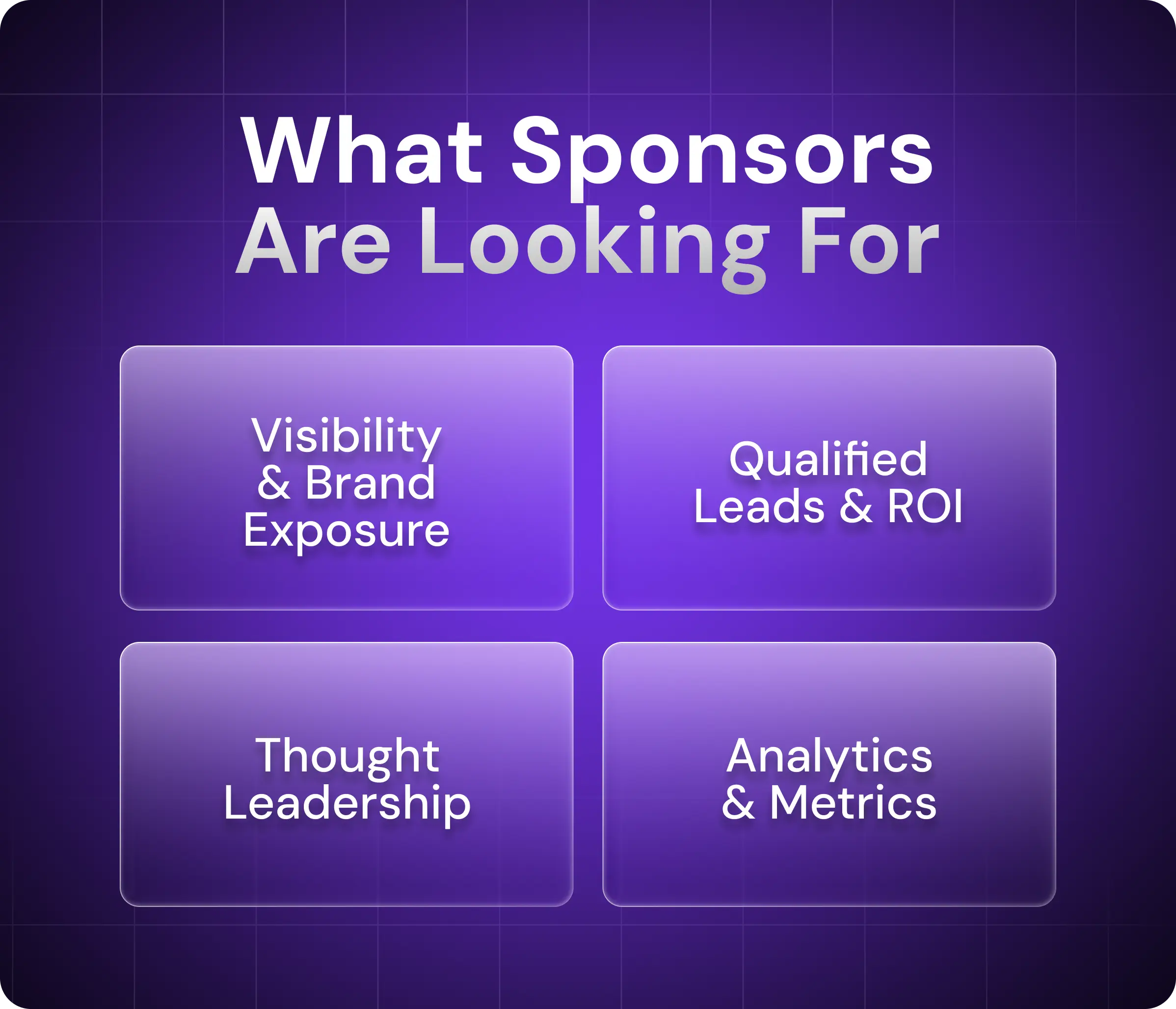
Sponsor Visibility and Brand Exposure
Sponsors want to know how many people will see their brand. That's the first question: how big is your audience?
Once they know the reach, they’ll be eager to hear about placement: event landing pages, registration confirmation emails, the virtual lobby, session intro slides, and post-event recap emails. The more touchpoints, the better.
Qualified Leads and Post-Event ROI
Growth-stage sponsors care about leads as much as—or more than—brand awareness.
They want access to attendee data (with proper consent) pre- and post-event: who clicked their link, downloaded their content, or showed up to their session.
Targeted Branding & Thought Leadership
The best sponsors want more than logo placement; they want a platform. Speaking slots, panel discussions, and sponsored breakout sessions let them position themselves as experts.
Analytics and Performance Metrics
Real-time and post-event metrics need to prove your sponsors’ investment drove actual engagement. If you can tie their sponsorship directly to their marketing funnel or pipeline, even better. That's how you turn one-time sponsors into long-term partners.

Automate your outbound with an AI BDR
Meet Ava—your AI BDR who handles prospecting, outreach, and follow-ups, so your team can focus on closing.
Creative Virtual Event Sponsorship Ideas
Standard logo placements aren’t going anywhere, but you don’t need a guide to embed these. These creative ideas give sponsors more visibility while making your event feel truly engaging.
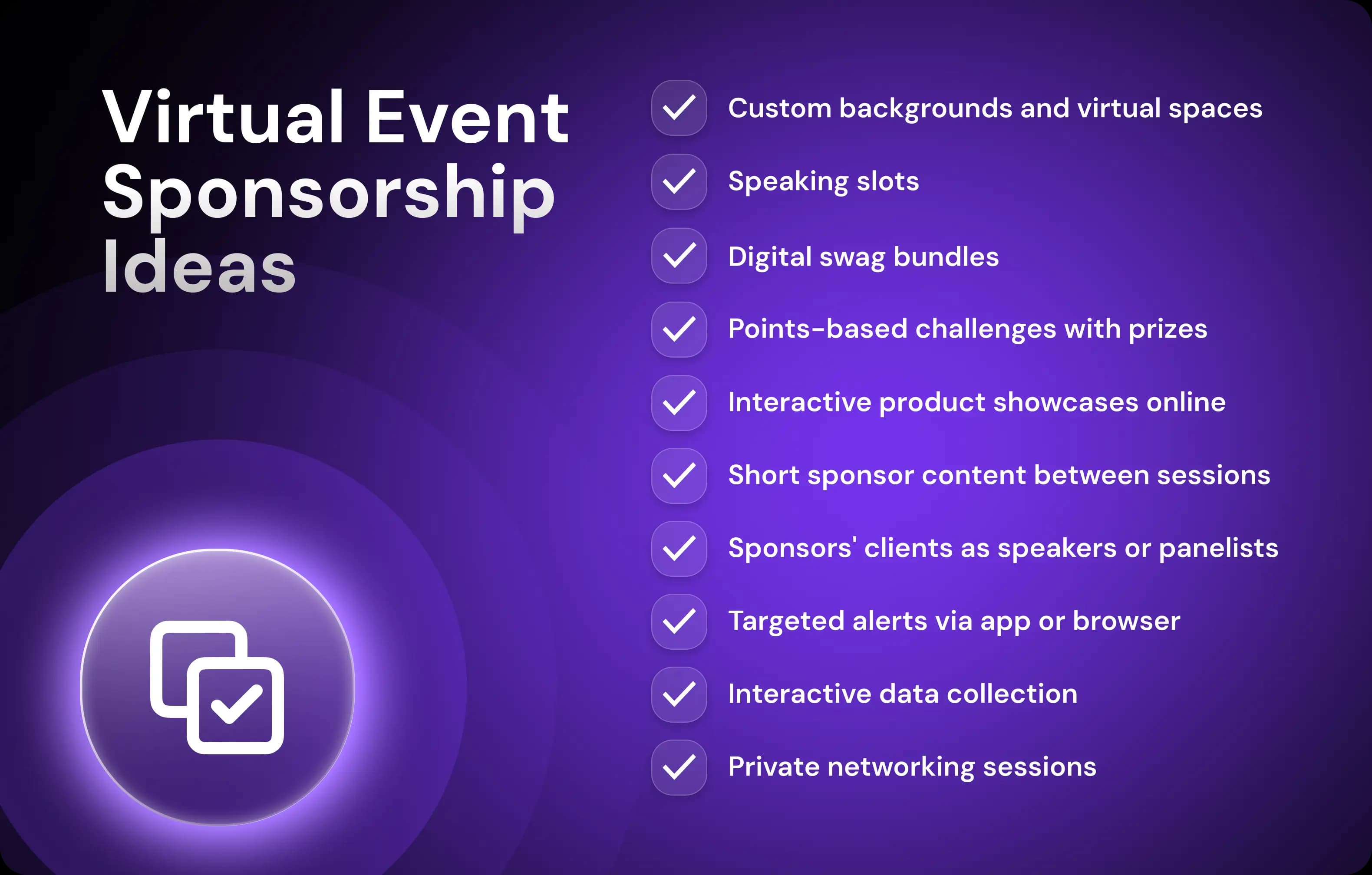
Branded Virtual Environments
Let sponsors take over the visual spaces attendees spend time in. These placements should feel less like ads and more like part of the event experience.
Custom Zoom backgrounds, for example, are easy to develop and implement. Design a few branded options speakers and attendees can use during workshops and networking sessions. Suddenly your sponsor's branding is showing up in every other live session and recording.
Sponsored Sessions or Panels
Give sponsors a speaking slot and they get something better than a branded placement: authority.
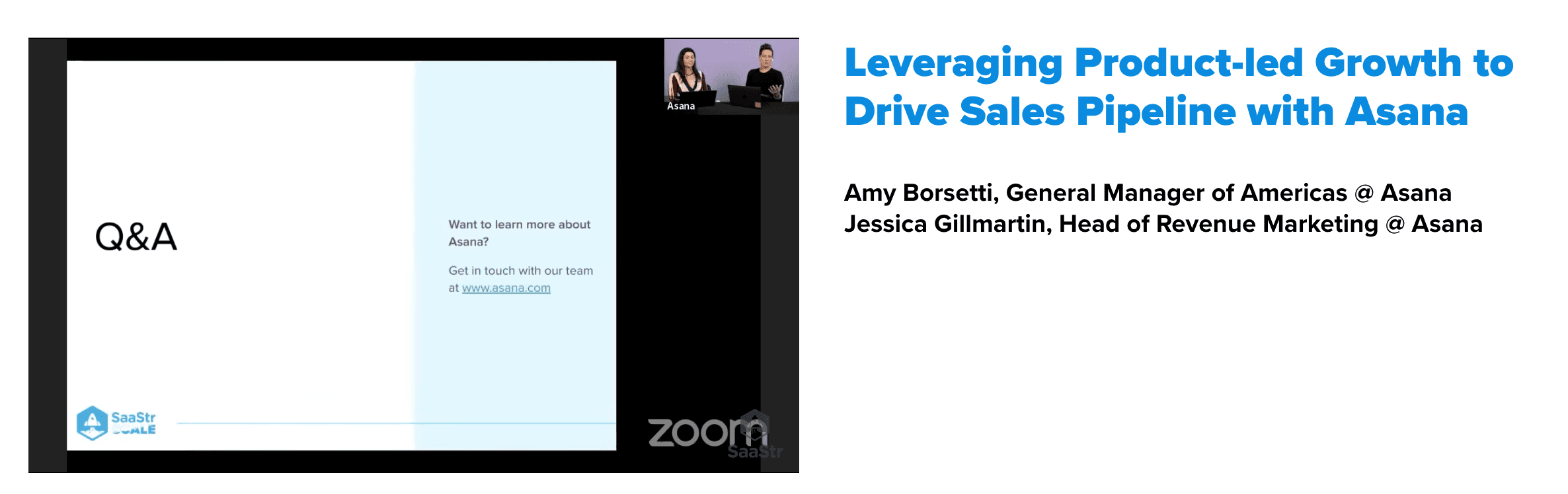
The best sponsored sessions teach frameworks, share real metrics, and break down actual use cases. The sponsor's branding shows up in the session title, description, and intro slide, but the content itself needs to deliver tangible takeaways attendees can apply to their own companies.
Asana sponsored SaaStr Scale and hosted a session on "Leveraging Product-Led Growth to Drive Sales Pipeline." Attendees attended the session to gain insights on PLG strategy, and Asana got over 45 minutes of engaged attention from their exact target audience.
Digital Swag Bags & Giveaways
A digital swag bag contains sponsor offers attendees can use, including:
Discount codes
Extended free trials
Tool credits
Exclusive support
Bundle these into a downloadable package that attendees get after registration, or run giveaways and contests throughout the event where winners claim prizes.
However, keep in mind that sponsors aren't always tech brands, so get creative with what a "virtual swag bag" means. Adele Durham, VP of Events for Haymarket Media, would organize food trucks for in-person awards events so attendees could grab grilled cheese and tater tots on their way out. For virtual attendees, she partnered with Grubhub to give all attendees a $15 voucher for their late-night snack.
Gamification and Sponsored Leaderboards
Run challenges where attendees earn points for visiting booths, answering polls, and attending sessions. Display a live leaderboard with sponsor branding, and offer digital swag as prizes.
Virtual Booths & Product Demos
Virtual booths are like physical booths, but on a web page. Sponsors get their own space to showcase products, answer questions, and share resources on their terms.
You can use platforms like vFairs, Hopin, and Airmeet to handle the setup. These allow sponsors to customize layouts, add live chat, and upload content without needing a developer.
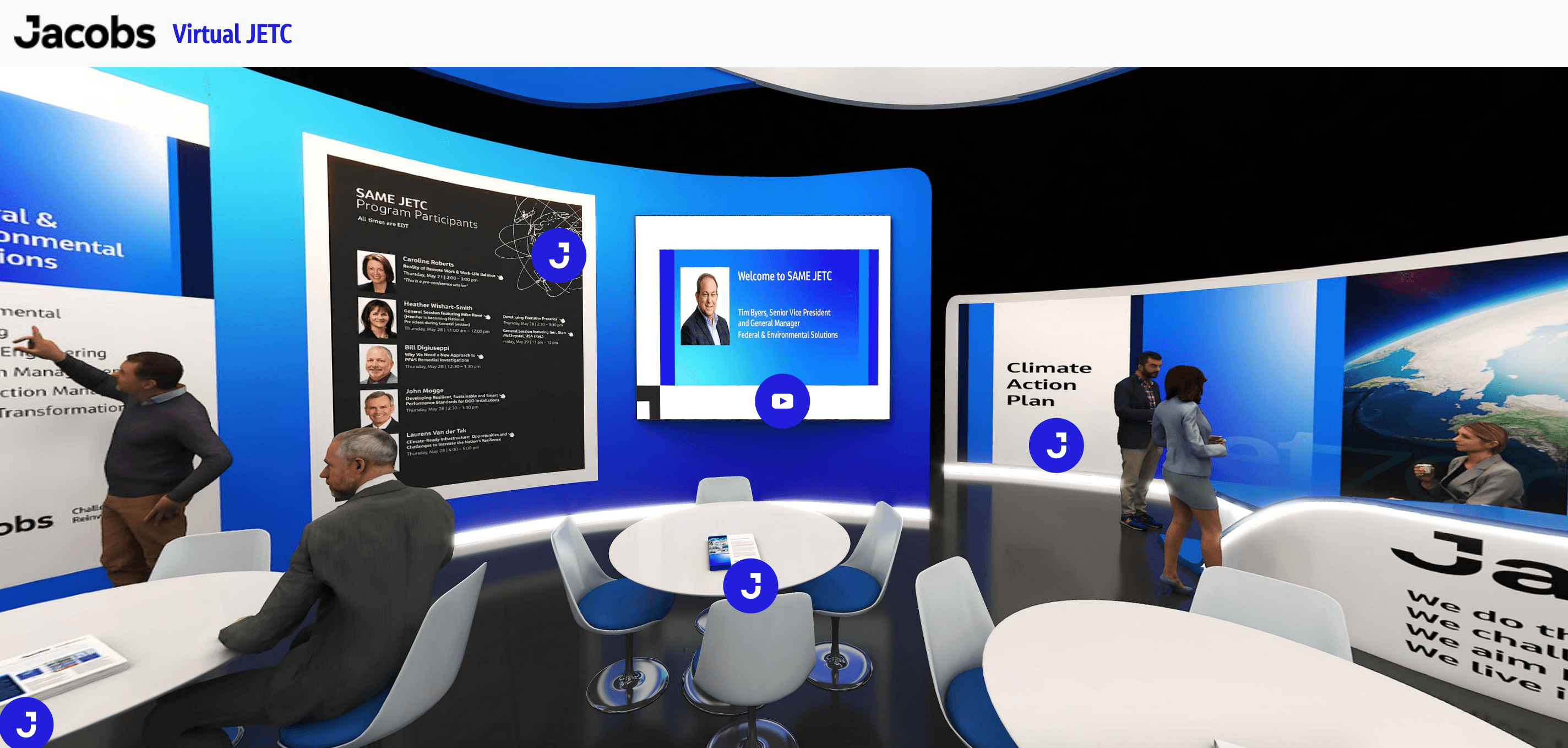
For example, Jacobs, a technical professional services firm, created a 360° interactive exhibit for SAME's Virtual JETC (Joint Engineer Training Conference) with live chat staffed during event hours, program participant info, an intro video, and downloadable action plan brochures.
Live Stream Pre-rolls or Mid-rolls
Sponsors can get creative with 15- to 30-second videos that play before keynotes or between sessions.
For the best results, match content to what's coming next. An ad for a sales automation tool before the "Scaling Your Sales Team" panel or a cybersecurity company customer story before the security panel are both examples of relevant pre-rolls.
Customer Showcases
Let sponsors bring their customers to the stage as speakers or panelists. The sponsor gets credibility through third-party validation, and attendees get real use cases from their peers instead of a sales pitch.
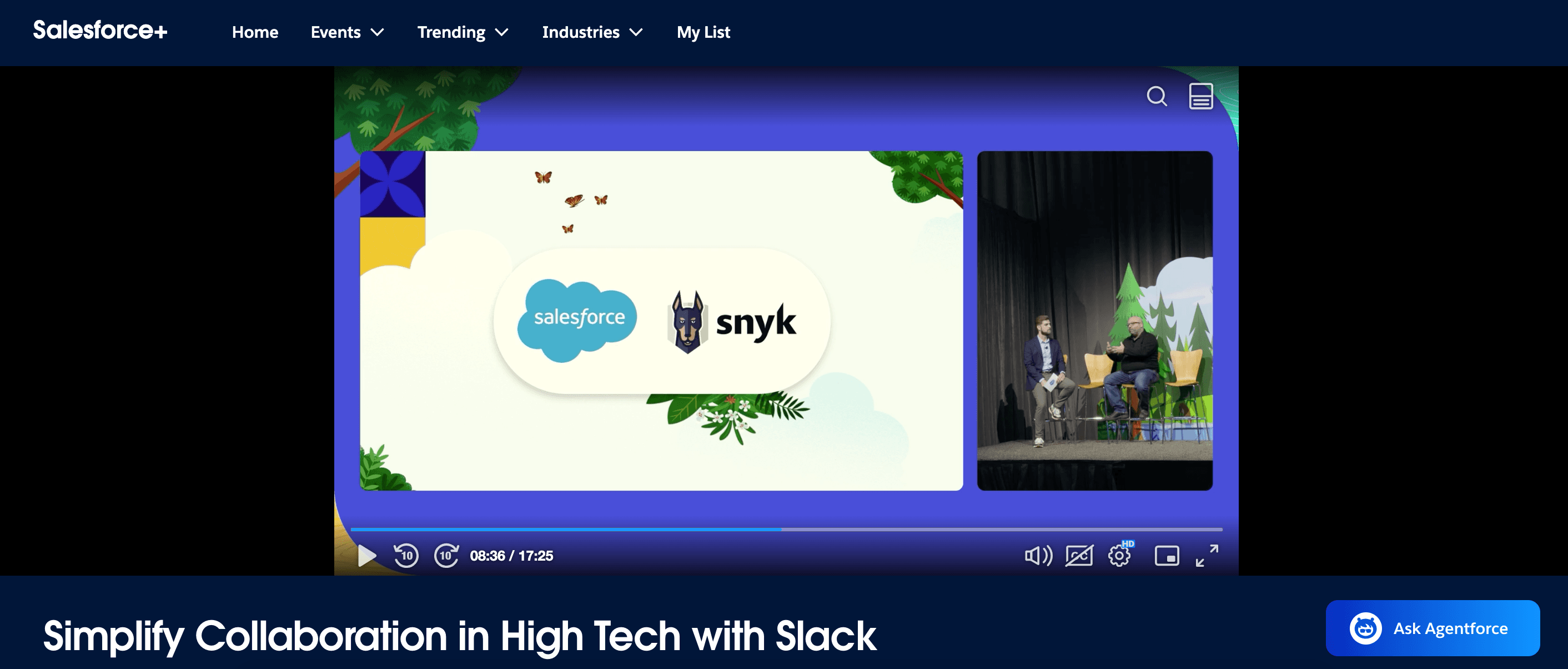
At the Dreamforce conference, Slack (a Salesforce acquisition and major sponsor) hosted its own keynote and product announcements. But the sponsorship activation that caught our attention was a panel on simplifying collaboration in tech.
The speaker wasn't from Slack—it was Snyk, a Slack customer. Having a real user company share their experience carried more weight than any direct sponsor pitch.
Push Notifications and Sponsor Messages
Another way to boost sponsor exposure is through targeted alerts via your event app or browser.
Most event platforms like Bizzabo and Eventify have built-in push notification systems that let you segment audiences and schedule messages for specific times.
You can target by ticket tier, session attendance, or expressed interests. Use them to remind people about sponsored sessions starting soon or share exclusive discount codes from sponsors.
Automate your outbound with an AI BDR
Meet Ava—your AI BDR who handles prospecting, outreach, and follow-ups, so your team can focus on closing.
Interactive Quizzes & Polls
One of the most valuable things sponsors can walk away with from your event is data.
Run live polls or quizzes during or between sessions to collect real-time insights on what topics resonated, what challenges attendees face, and where interest is highest. Sponsors can turn this information into product roadmaps, content campaigns, and laser-focused outreach.
At Meeting Professionals International's (MPI) World Education Congress (WEC) in San Francisco, there were nearly 2,000 attendees and 149 sponsors. MPI used embedded polling tools during sessions to keep people engaged. The poll data was rolled into post-event reports that showed which topics resonated most, giving sponsors concrete engagement metrics they could use to inform their follow-up strategy with event attendees.
VIP Experiences and 1:1 Meetings
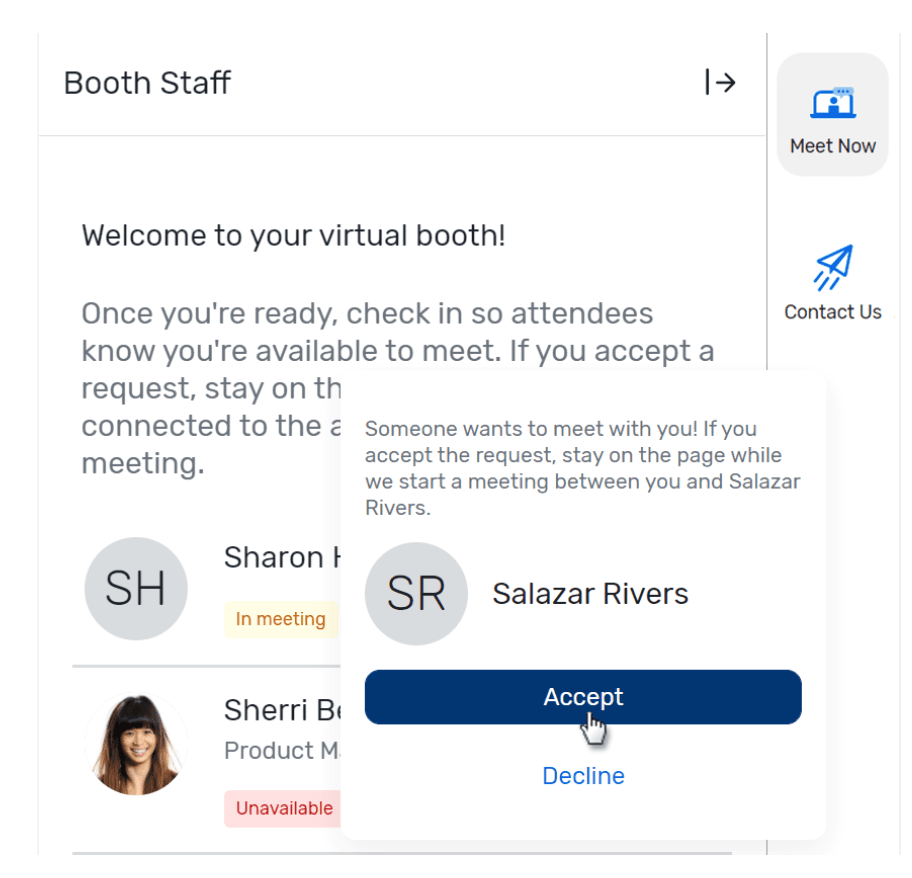
Give sponsors access to exclusive virtual spaces where they can meet high-value attendees one-on-one.
Set up private networking lounges with curated guest lists, or use calendar tools so VIPs can book time slots with sponsor reps. This exclusivity makes it feel like a premium experience for attendees while facilitating direct conversations between sponsors and people who actually want to talk.
At the HIMSS Global Health Conference & Exhibition, organizers used integrated appointment scheduling to book over 6,200 virtual meetings between attendees and sponsors. Sponsors could then access detailed attendee engagement data post-event to follow up with qualified leads who had already expressed interest by booking time with them.
Building a Tiered Sponsorship Package That Sells
Tiered packages make it easier for sponsors to say yes at whatever level makes sense for them. It’s also easier for you to upsell because tiers clearly display comparative value.
Bronze, Silver, and Gold Levels
Start with three tiers that offer different levels of visibility and add-ons.
Here's an example to give you a sense of the type of value you could include in each package:
Bronze
Logo on event website
Mention in email newsletters
Social media mentions
Silver
Everything in Bronze
Virtual booth with live chat
Sponsored push notifications
Gold
Everything in Silver
Speaking slot (20-30 min session)
Oh, and you don't have to call them Bronze, Silver, and Gold, just so you know. Use tier names that fit your event: Supporter, Champion, Innovator for a tech conference, or Community, Leader, Visionary for an industry summit.
Add-Ons and Naming Rights
Add flexibility to your packages with à la carte options like the following:
Additional push notifications (pack of 3): $1,500
Extra pre-roll video slot: $2,500
Sponsored surprise giveaway: $1,000
Sponsored on-demand content library: $3,500
This lets sponsors build exactly what they need without jumping to a tier that includes features they won't use.
Mapping Benefits to Goals
When pitching sponsors, lead with what they actually care about based on their stage and goals.
For example, if you’re talking to an enterprise brand focused on thought leadership, emphasize the speaking slot and keynote visibility in your Gold tier.
Don't just list every benefit. Show them the specific ones that match what they're trying to achieve.
Branding Across Platforms
Map out every touchpoint where branding can appear, then tier it by sponsorship level. It’s important to be comprehensive when doing this, as sponsors often want to know exactly where they’re going to appear.
Touchpoint | Bronze | Silver | Gold |
Event website | ✓ | ✓ | ✓ |
Email newsletters | ✓ | ✓ | ✓ |
Virtual lobby | ✓ | ✓ | |
Mobile app splash screen | ✓ | ✓ | |
Session intro slides | ✓ | ||
Post-event recap content | ✓ |
How to Attract the Right Sponsors
Before your sponsors can share your excitement about your creative sponsorship ideas, you need to find the right brands and get their attention.
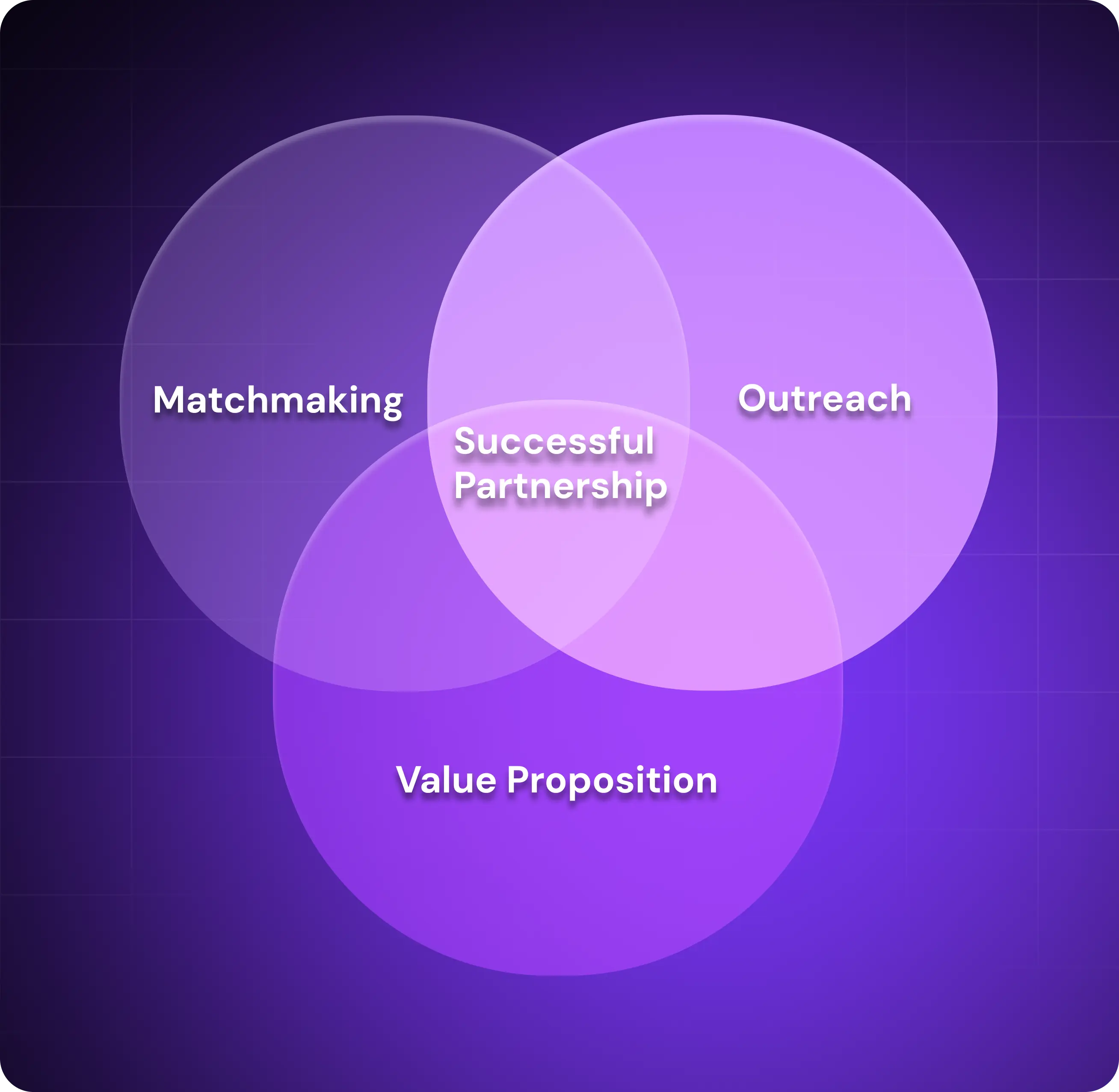
Matchmake with the Right Brands
Start with the obvious industry matches (e.g., a sales leadership conference will bring in partners from the CRM and automation space), but don't stop there.
Get creative with cross-industry partners who share your audience but come from different niches:
Fintech conference and premium coffee brand (both target high-income professionals)
Cybersecurity summit and wellness app (for security teams dealing with burnout)
SaaS event and healthy snack subscription box (desk workers need better fuel)
Unexpected pairings get people talking, which is a win-win for both parties in the partnership.
Create a Value-Driven Sponsorship Proposal
When creating a sponsorship proposal for potential sponsors, lead with what they actually care about. The more specific you are about the value, the easier it is for sponsors to justify the cost.
Here are some examples of value points:
Audience size and demographics, e.g., "2,000 B2B decision-makers in fintech"
Engagement metrics from past events, like booth visit averages, session attendance rates, and poll participation
Clear ROI projections, such as expected MQL volume or demo requests
Specific benefits tied to their goals, e.g., “Access to 500 CTOs who influence purchasing decisions”
Warm Up Leads Before Reaching Out
Of course, you also need to find the right contact to send your proposal to—usually someone in partnerships, events, or marketing with budget authority. Check LinkedIn for titles like Director of Partnerships, Head of Brand Marketing, and or VP of Demand Gen.
But don't assume LinkedIn is always the best platform for outreach. If a LinkedIn profile hasn't been updated in six months but they're posting on X daily, adjust your approach. Some people are more responsive via email, X DMs, or even company contact forms.
Warm up your leads first by engaging with their content before reaching out. When you like or comment on someone's posts before sending a connection request, they recognize your name. According to research by Expandi, this warm approach drives a 22% connection approval rate and a 7.22% reply rate compared to cold outreach that goes straight to the ask.
Artisan follows this exact playbook without requiring you to spend time on manual outreach. Chain of Events, the team behind the RAISE conference, used AI BDR Ava to fully automate their sponsor and speaker outreach.
Instead of hiring five full-time BDRs, one team member now spends four to five hours per week fine-tuning campaigns while Ava handles prospecting, personalization, and email follow-ups. This symbiosis has brought the company over $700k in annual recurring revenue (ARR) in six months.
Tools That Help Organizers Execute at Scale
Running a virtual event with multiple sponsors means juggling outreach, contracts, engagement tracking, and ROI reporting. The right tools turn what could be a logistical mess into a streamlined process.
Sponsor CRM and Engagement Tracking
If you're serious about landing sponsors at scale, you need a CRM to manage the entire outreach process. Spreadsheets fall apart fast when you're tracking dozens of potential sponsors across multiple outreach touchpoints. Popular options include HubSpot, Salesforce, Pipedrive, and Copper.
A CRM for event management should have all the following features:
Contact management and prospecting lists
Personalized email sequences and automated follow-ups
Engagement tracking (opens, clicks, replies)
Pipeline stage visualization
Contract status and payment tracking
Post-event follow-up and renewal campaigns
Event Platforms with Sponsorship Features
Most virtual event platforms have built-in sponsorship tools that eliminate the need for custom development. Good options include RingCentral Events (ex-Hopin), vFairs, Bizzabo, and Cvent.
Look for the following features in event platforms:
Virtual expo halls with sponsor booths
Live chat capabilities
Branded push notifications
Analytics dashboards for tracking sponsor engagement
How Artisan Helps with Sponsor Outreach
Finding and closing sponsors at scale requires consistent, personalized outreach—which is exactly where most event organizers get stuck. Artisan's AI sales agent, Ava, automates the entire sponsor outreach process.
Automated Research, Outreach, and Follow-ups
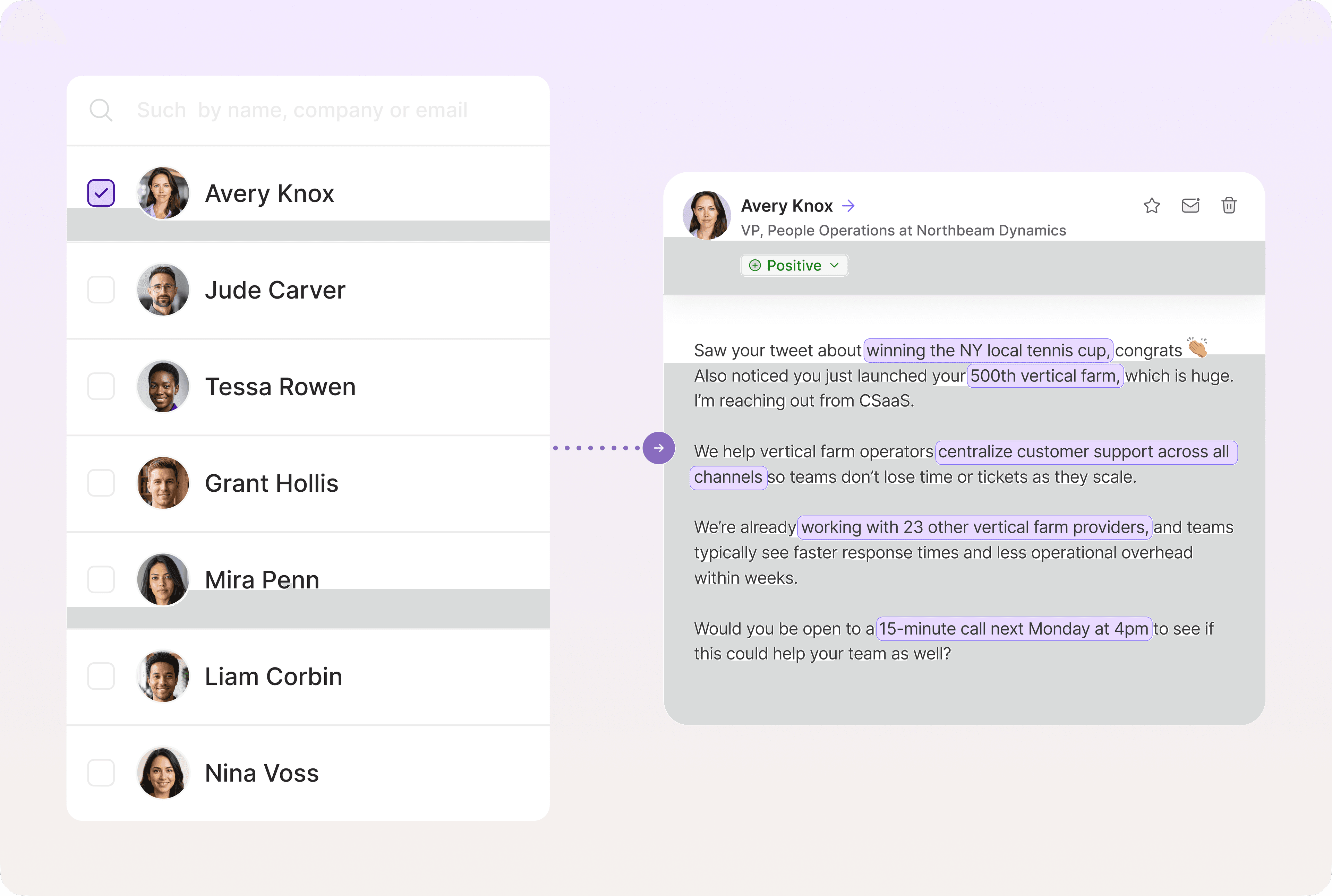
AI BDR Ava researches prospective sponsors based on your event criteria from a database of over 300 million B2B leads. She looks into industry, roles, and recent company news and builds targeted lists of companies whose products fit your attendees.

Personalized Messaging at Scale
Ava sends personalized messages tailored to each sponsor's goals, explaining why your event is a fit for them. She handles follow-ups automatically, adjusting her approach based on engagement signals like email opens and website visits.
Performance Tracking and Post-Event Sponsor Engagement
Artisan monitors engagement across channels and tracks outreach performance in real time, so you know exactly which messages landed, which sponsors opened them, and who's engaging with your pitch.
Creative Sponsorships Drive Lasting Partnerships
The ideas in this guide—from sponsored customer showcases to one-to-one meetings—work because they deliver value to both sponsors and attendees. And with effective placements, you get repeat partnerships that grow stronger with each event.
Before you get there, start with the basics: clear tier structures and platforms to automate your outreach process.
With Artisan, you only need one system to manage all outbound marketing before and after your event. AI BDR Ava handles prospecting, outreach, and follow-up automatically. Which means you can focus on building sponsorship packages and delivering an incredible event.
Automate your outbound with an AI BDR
Meet Ava—your AI BDR who handles prospecting, outreach, and follow-ups, so your team can focus on closing.

Adelina Karpenkova
SME @ Artisan
Adelina Karpenkova is a writer helping businesses tap into AI's potential and clear up misconceptions. She works with B2B teams on latest industry knowledge.