Combined Social Media and Email Marketing Explained (and Optimization Guide)


Social media and email are a powerful duo in B2B marketing.
Using both not only broadens your marketing reach. But each marketing channel actually enhances the performance of the other.
In this article, you’ll learn all you need to know about running an integrated social and email marketing strategy, with practical templates and a full optimization guide.
What Is Combined Social Media and Email Marketing?
Combined social media and email marketing is simply that—a marketing strategy that uses social media and email in concert.
An integrated strategy allows you to capture the benefits of each channel—the virality, wide reach, and casualness of social media, and the personalized, owned-audience, and directness of email.
By using two channels, you put yourself at an immediate advantage because potential buyers hear from your brand in multiple places. This builds more exposure, recognition, and trust.
Email Marketing vs. Social Media: Key Stats and Why You Need Both
Why is it so important to take advantage of both email and social media marketing?
Using social media alone reduces engagement. It’s hard to hold attention on Twitter or LinkedIn for a long enough time to persuade someone to buy your solution. Therefore, you need to take followers off-platform, where you can reach them directly. Email is ideal for that, because pretty nearly everyone uses it.
On the flipside, email alone is inefficient because to grow your list you need a sustainable source of subscribers. To find those new leads, you have to go where people are hanging out, and that place is social media. You post there to attract potential buyers, connect with them, and ultimately convince them to join your list.
To sum it up, social marketing helps you generate leads, and email marketing helps you nurture and close deals.
Here’s a rundown of the main benefits of email marketing:

35% of companies see an ROI of 36:1 or more from email marketing, according to Litmus’s State of Email report.
An email list is an owned audience, so you can reach out to your subscribers any time (and the reach of your content isn’t dependent on the whims of an algorithm).
Email allows you to segment your audience and create highly targeted campaigns based on interests, behavior, firmographics, and other factors.
Here are the key benefits of social media marketing:
Social media ads are among the highest-ROI marketing activities, according to HubSpot’s State of Marketing report.
There is always potential for posts to go viral, attract new followers, and drive web traffic.
Social media is excellent for expanding reach and increasing awareness among new audiences.
The Benefits of Combining Email and Social Media
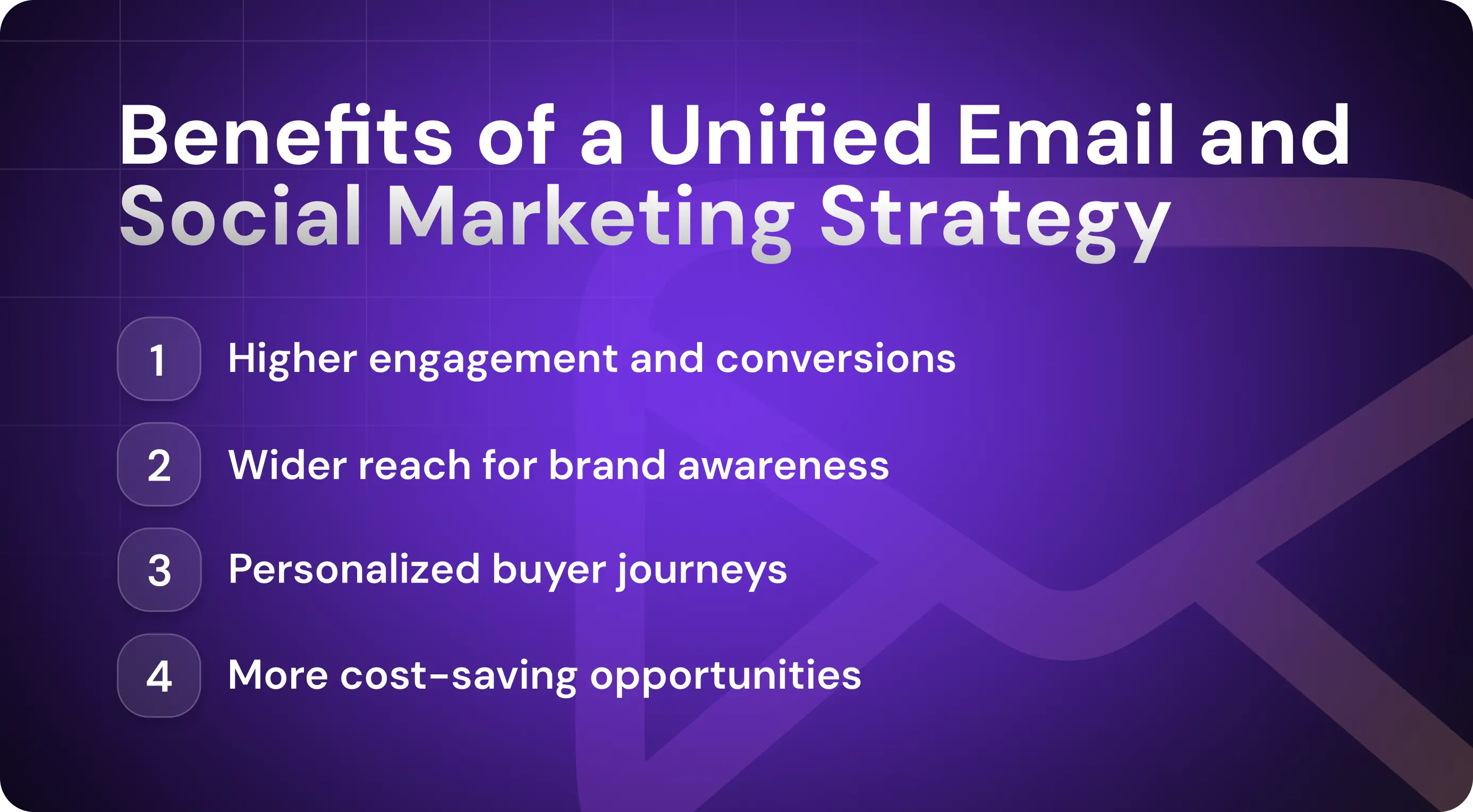
From higher engagement rates and highly personalized experiences, weaving email and social media into a unified marketing strategy offers a host of benefits.
Higher Engagement and Conversions
Multi-channel campaigns increase clicks and conversions by working in alignment with how people interact with content—sporadically and across multiple channels.
Wider Reach and Brand Awareness
Social media marketing offers incredibly wide reach. Over a billion people use LinkedIn, and a single well-written LinkedIn post can reach tens of thousands of target buyers, many of whom might follow your account as a result.
Personalized Customer Experience
An integrated approach enables you to use social behavior data to personalize email content, and vice versa. For example, if a lead likes all your social content about a certain topic, you can place them into an email drip campaign focused on that topic.
Better ROI with Efficient Integration
A dual approach provides cost-saving opportunities in three key ways. First, you can repurpose content—by turning a top-performing LinkedIn post into a newsletter, for example. Second, running social media retargeting ads to engaged email subscribers tends to be a high-ROI activity. And third, social media provides a low-risk way of generating feedback on potential content ideas.

How to Create a Social Media & Email Marketing Strategy (Step-by-Step)
It should be clear by now that social media and email marketing work best when they’re integrated, not siloed.
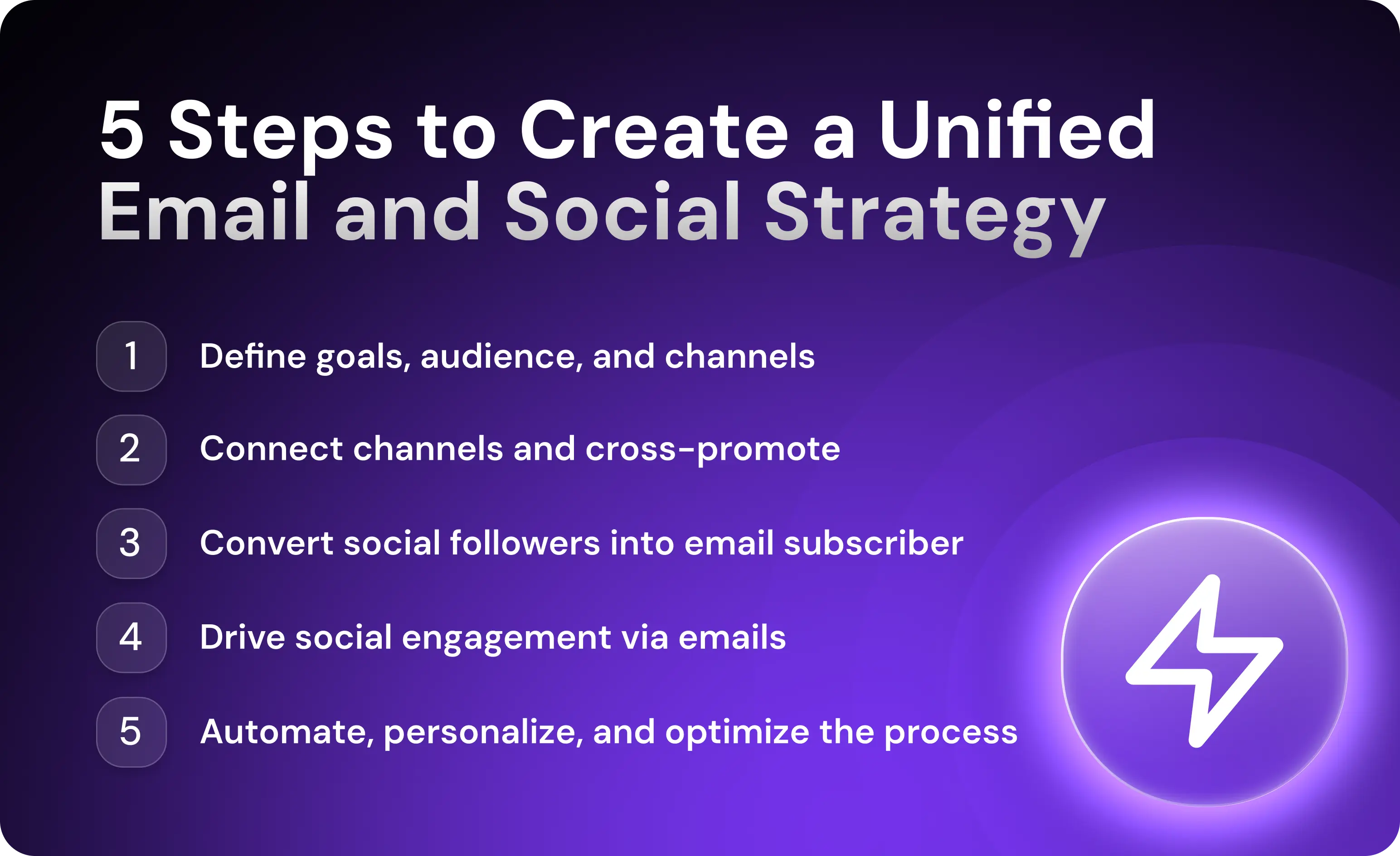
Here is a step-by-step process to build a unified, multichannel approach in which social media and email strengthen each other.
Step 1: Define Goals, Audience, and Channels
Before creating your first campaign, define your goals, audience, and channels by following these three steps:
Set measurable goals: Whether you’re trying to improve lead generation or boost customer retention, you need to set goals that meet SMART criteria—specific, measurable, achievable, relevant, time-bound.
Select your core social channels: Research which platforms your ideal customers use most frequently, then pick one to two channels to start (you can add more later). If you’re in B2B, LinkedIn is a no-brainer. If your audience is young, TikTok is a good pick. Facebook and WhatsApp are smart choices if you want to build a community.
Map out your target audience by channel: List the demographics, interests, and behaviors of your target audience on each channel, including email. This will help you create content that resonates.
Spend some time studying your target customers’ favorite accounts on each platform. Pay close attention to the type of content they’re creating and posting. Ask, “What gets the most engagement?” and emulate successful posts in your own content strategy.
Step 2: Connect Channels and Cross-Promote
To create a cohesive brand experience and cross-promote your channels, there are four key best practices that it’s important to follow.
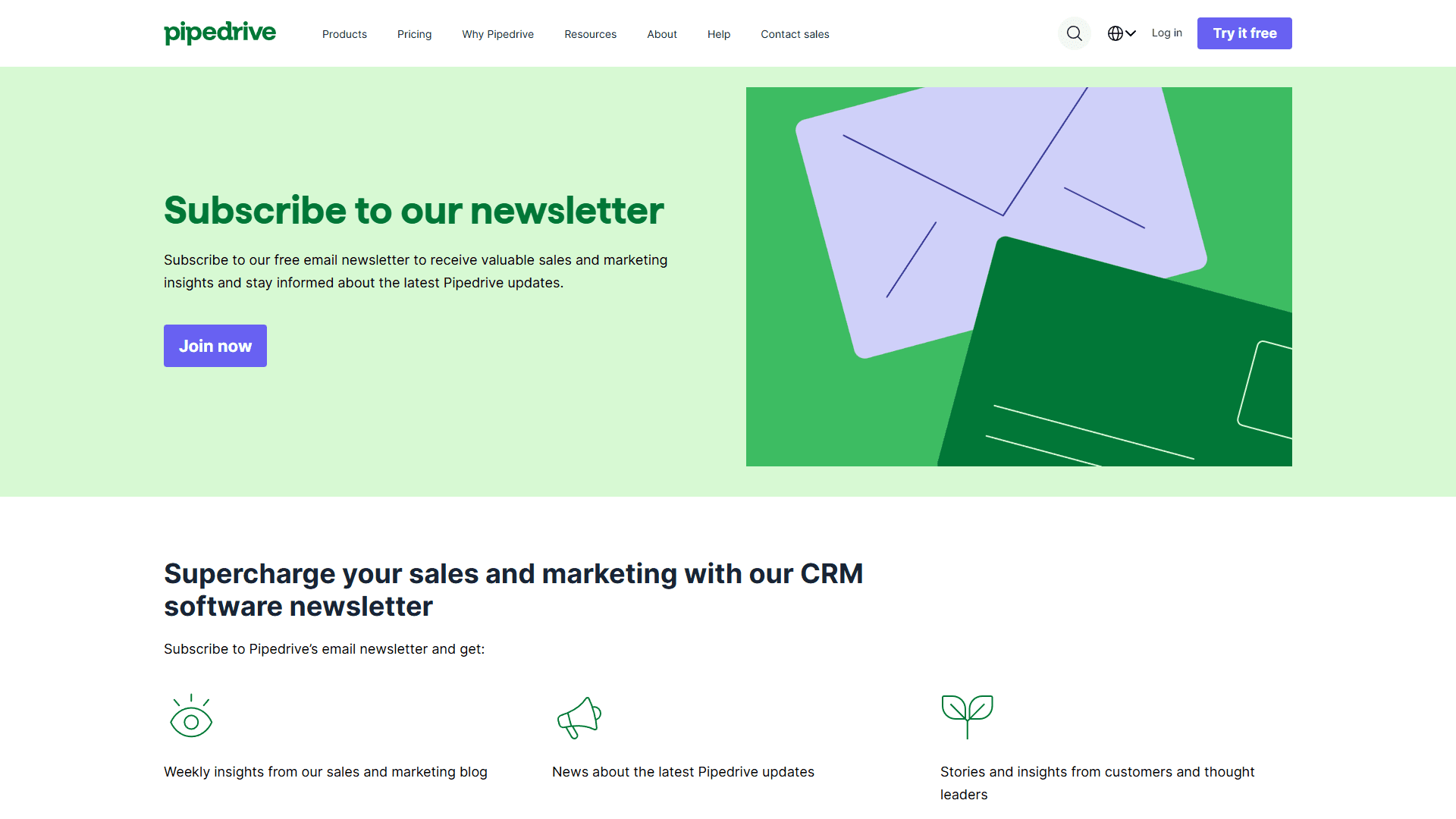
Add social icons to emails: Put icons in your email signature, headers, and footers to encourage email subscribers to follow your brand. Pipedrive, for example, links to Facebook, Twitter, Instagram, and LinkedIn at the bottom of every email.

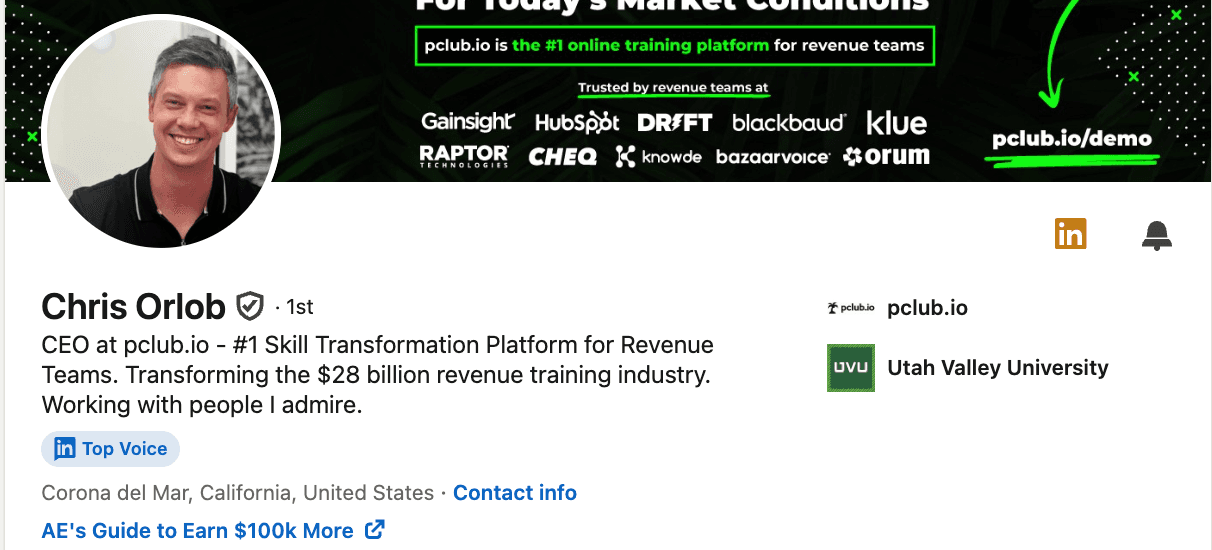
Promote newsletter sign-ups on social profiles: Link to your newsletter landing page in your social profile and in post captions. You can also link to a lead magnet that potential customers can access by submitting their email info, as Chris Orlob has done below with his “AE’s Guide to Earn $100k More.”
Use unified campaign calendars: Coordinate messaging across platforms so each post or email is a touchpoint in a unified customer journey. For example, you might tweet about an upcoming blog post to get followers excited about it, then email the post a day later.
Tease email-only content on social: Build hype around upcoming, high-value content that is only available to newsletter subscribers to encourage email opt-ins.
Remember to keep brand tone, messaging, and visuals consistent across platforms. Lodge your brand in the memory of your audience through repetition.
Step 3: Convert Social Followers Into Email Subscribers
To turn a social follower into a customer, you first have to turn them into an email subscriber.
Over email, you can send them content you can’t on social media, like the promotional content needed to persuade them to purchase your solution. Plus, once they’re on your email list, you can reach them directly, whenever you wish, rather than hoping the algorithm shows them your latest social post.
Here are some strategies to convert social followers into email subscribers:
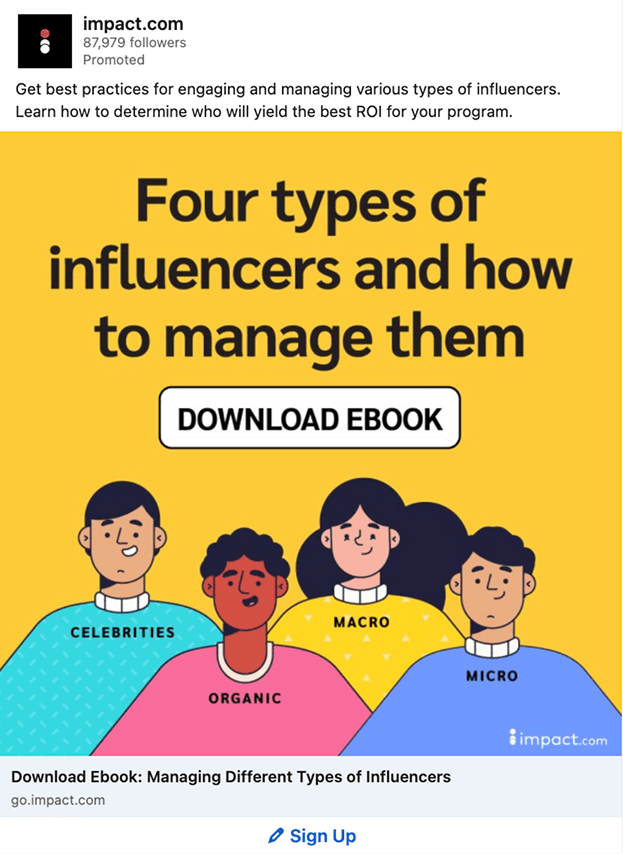
Offer incentives: Create and promote lead magnets like ultimate guides, templates, and email courses that help leads achieve a desirable outcome. For example, Impact uses an ebook that shows how LinkedIn users can turn followers into email subscribers.
Run contests: Hold contests and giveaways that followers can enter by submitting their email information. Advertise the contest across all channels.
Create a compelling newsletter: If your weekly newsletter provides value, that alone is a powerful incentive to subscribe. The best B2B newsletters keep professionals informed about their industry and help them achieve specific outcomes.
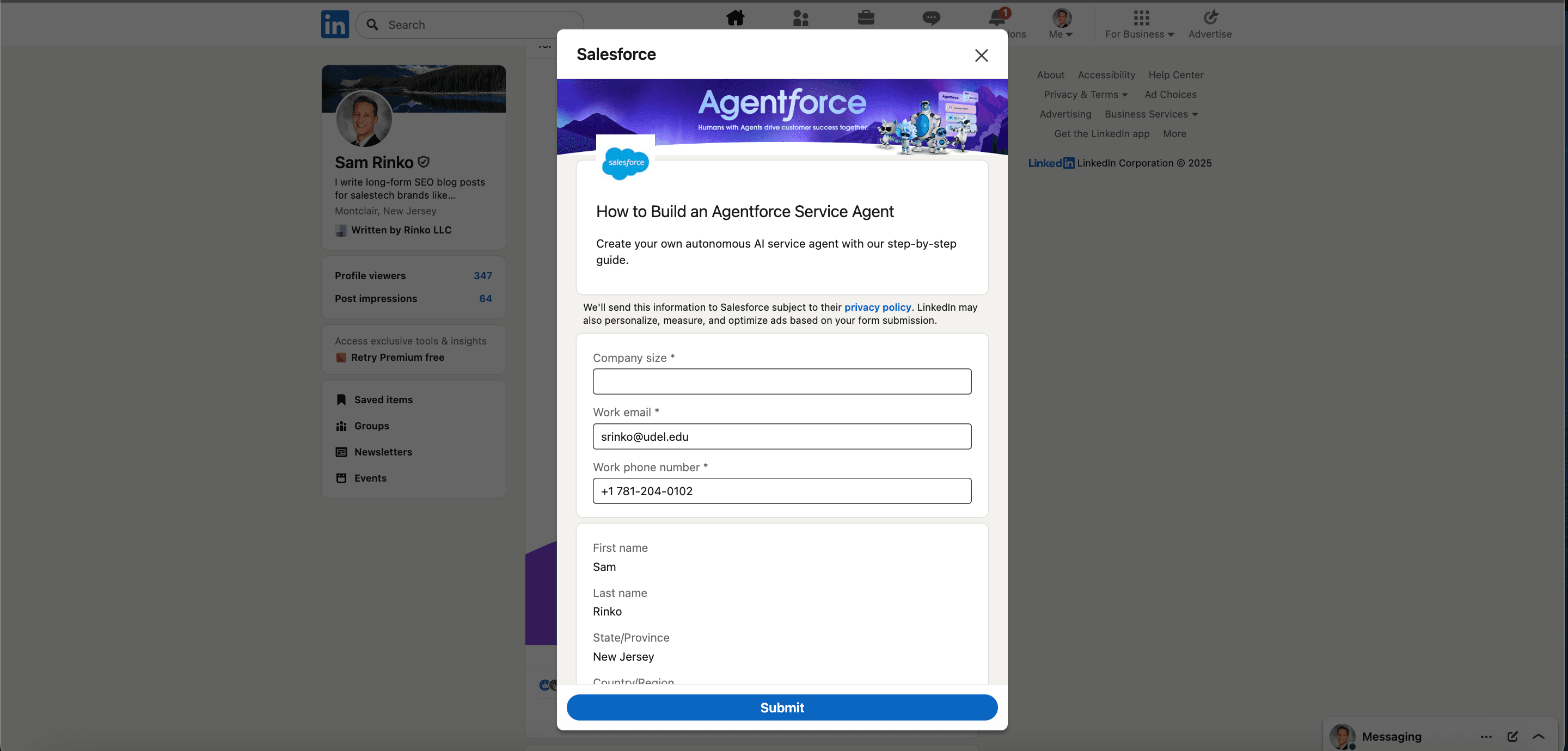
Use paid ads to drive sign-ups: Consider running paid ads on LinkedIn and Facebook. Advertise a lead magnet in return for subscriber contact information. For example, Salesforce promotes a guide on building service agents using LinkedIn’s native sign-up form.
Finally, always keep in mind that mobile-friendly sign-up flows are key to high conversion rates since so many people consume social media content on their phones.
Step 4: Drive Social Engagement Through Email
In the same way that you can use social media to encourage email sign-ups, you can use email to inspire email subscribers and leads to follow you across your various social media accounts.
Here are the best techniques for driving social media engagement through email:
Promote social channels in welcome sequences: Promote your social channels in welcome emails, explaining what type of content you post and why your subscribers should follow you.
Add share buttons: Most email marketing platforms give you the option to embed a pre-designed “social share” button that allows readers to quickly share your content on social media platforms.
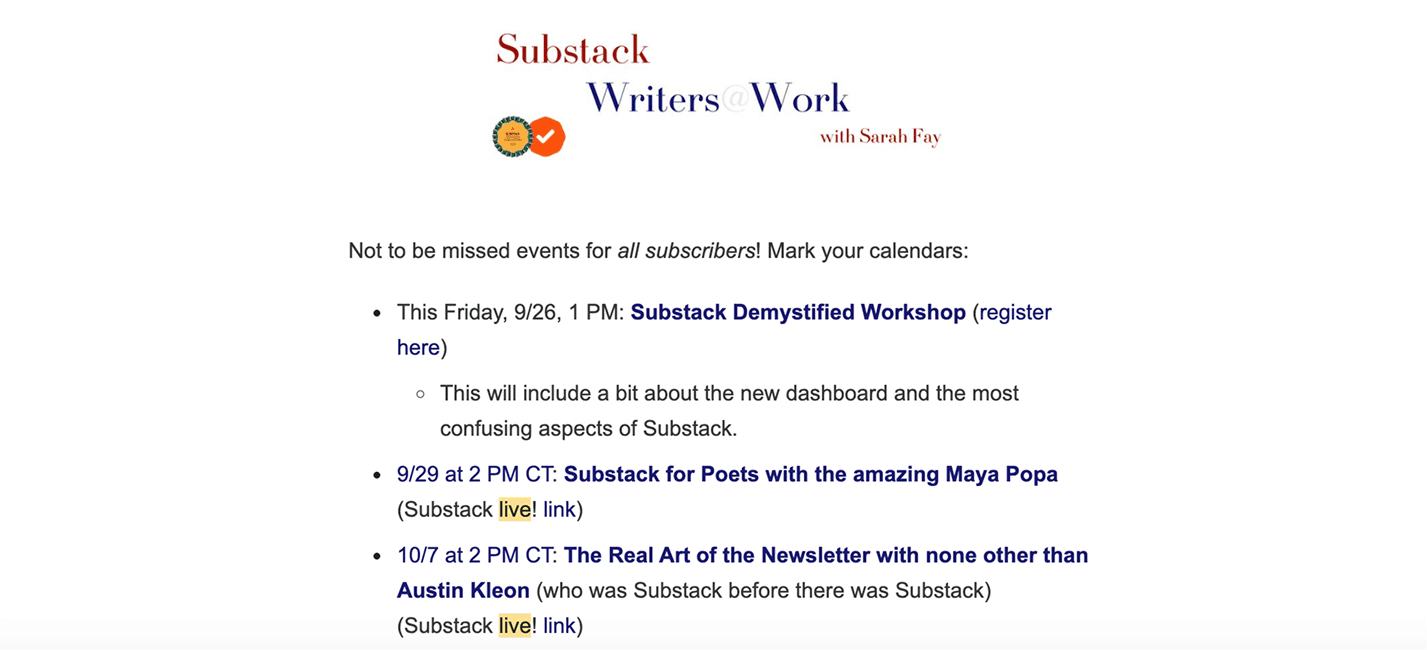
Use email to boost turnout for social events: Hosting a live Q&A session on YouTube? Create an email sequence that promotes the event, shares what to expect, and boosts attendance. For example, writing coach Sarah Fay uses email to promote her live workshops.
Step 5: Automate, Personalize, and Optimize
Automating social and email marketing with software is how you scale combined email and social media marketing and generate leads on autopilot.
Here are the top three strategies for automating your hybrid strategy:
Use automation tools and CRMs: Use CRMs and dedicated tools to automate outreach on social media and email. Set up behavior-based automations—like a welcome email series triggered by an email sign-up on Facebook.
Sync data for targeted, personalized campaigns: Track social engagement behavior and email responses, and use this data to trigger personalized campaigns. For example, if a high-value subscriber replies to an email, target them with personalized ads on LinkedIn.
Use lookalike audiences and target existing subscribers: Upload your email list to social media platforms to create custom and lookalike audiences. You can also use social media ads and promoted posts to target the subscribers who don’t open your emails regularly.
Best Email and Social Media Marketing Platforms & Tools
Modern tools provide you with the technological infrastructure you need to automate and sync your social media and email marketing. The right tech stack can save your team significant amounts of time while allowing for a level of scale that wouldn’t otherwise be possible.
Mailchimp
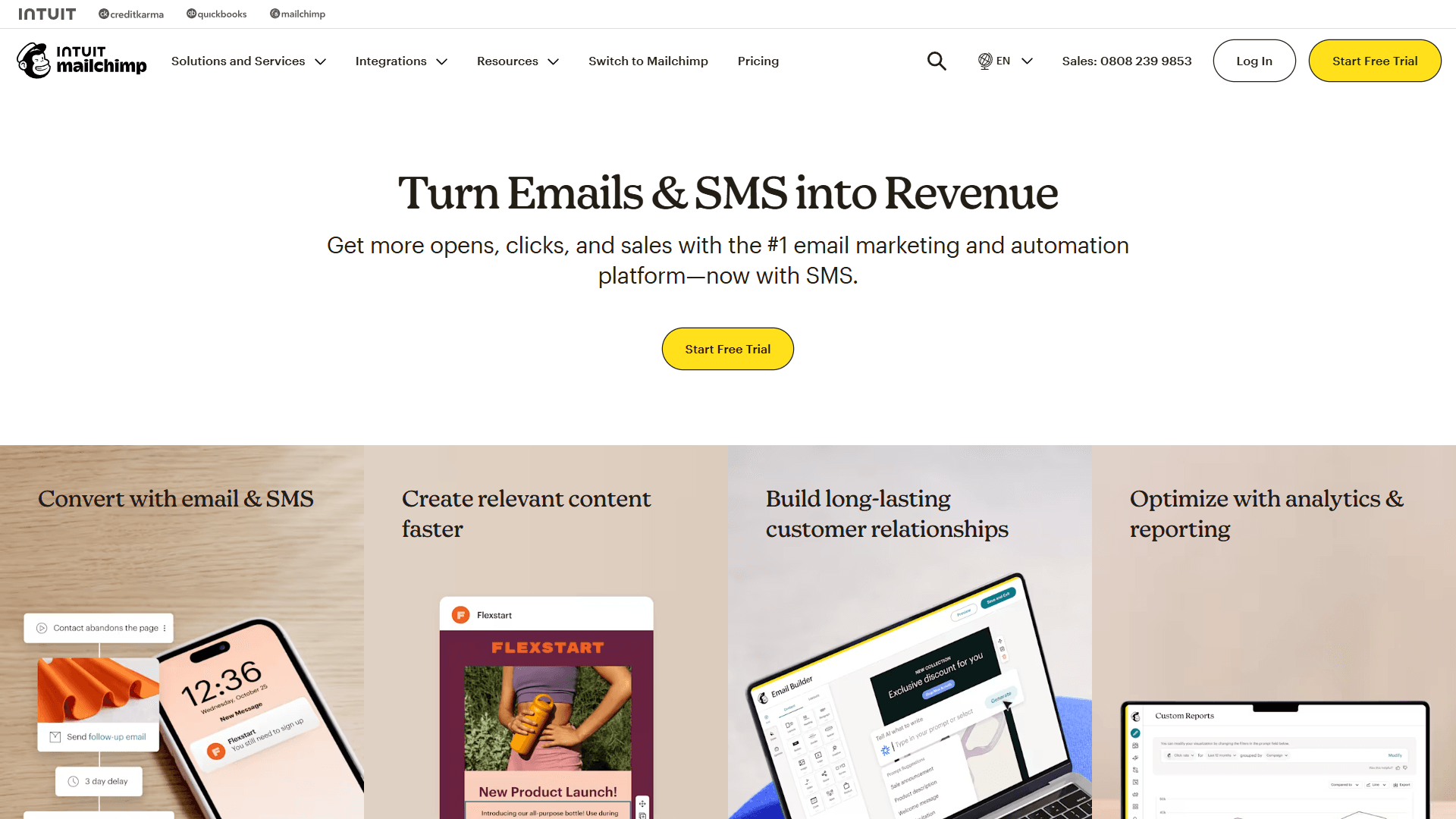
Mailchimp is a popular email marketing platform with basic social posting and ad integrations. Its ease of use and affordability make it ideal for small businesses.
Hootsuite
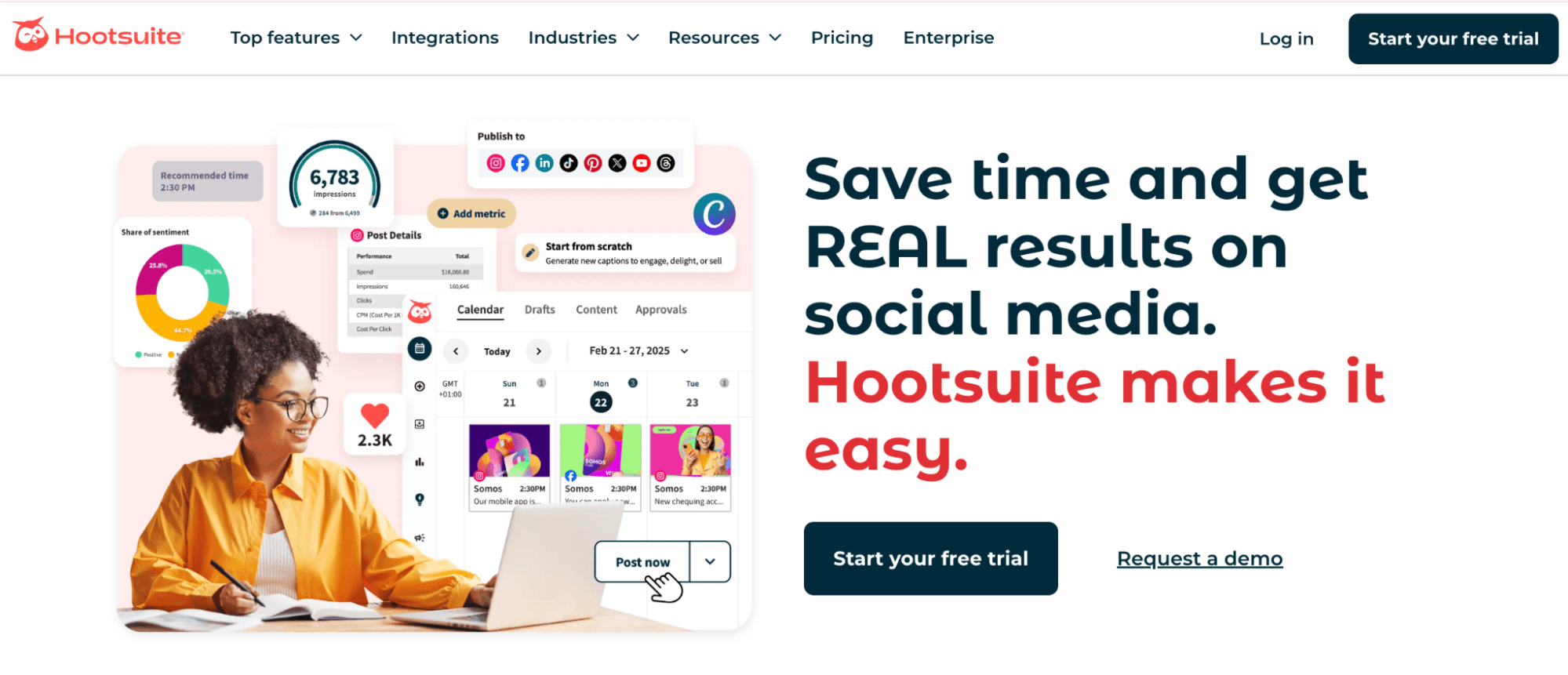
Hootsuite is a social media marketing platform with tools for social media content creation, scheduling, analytics, and social listening.
If you’re running a hybrid email and social strategy, you’ll appreciate the ability to time posts around email delivery and track social engagement alongside email metrics.
HubSpot Marketing Hub
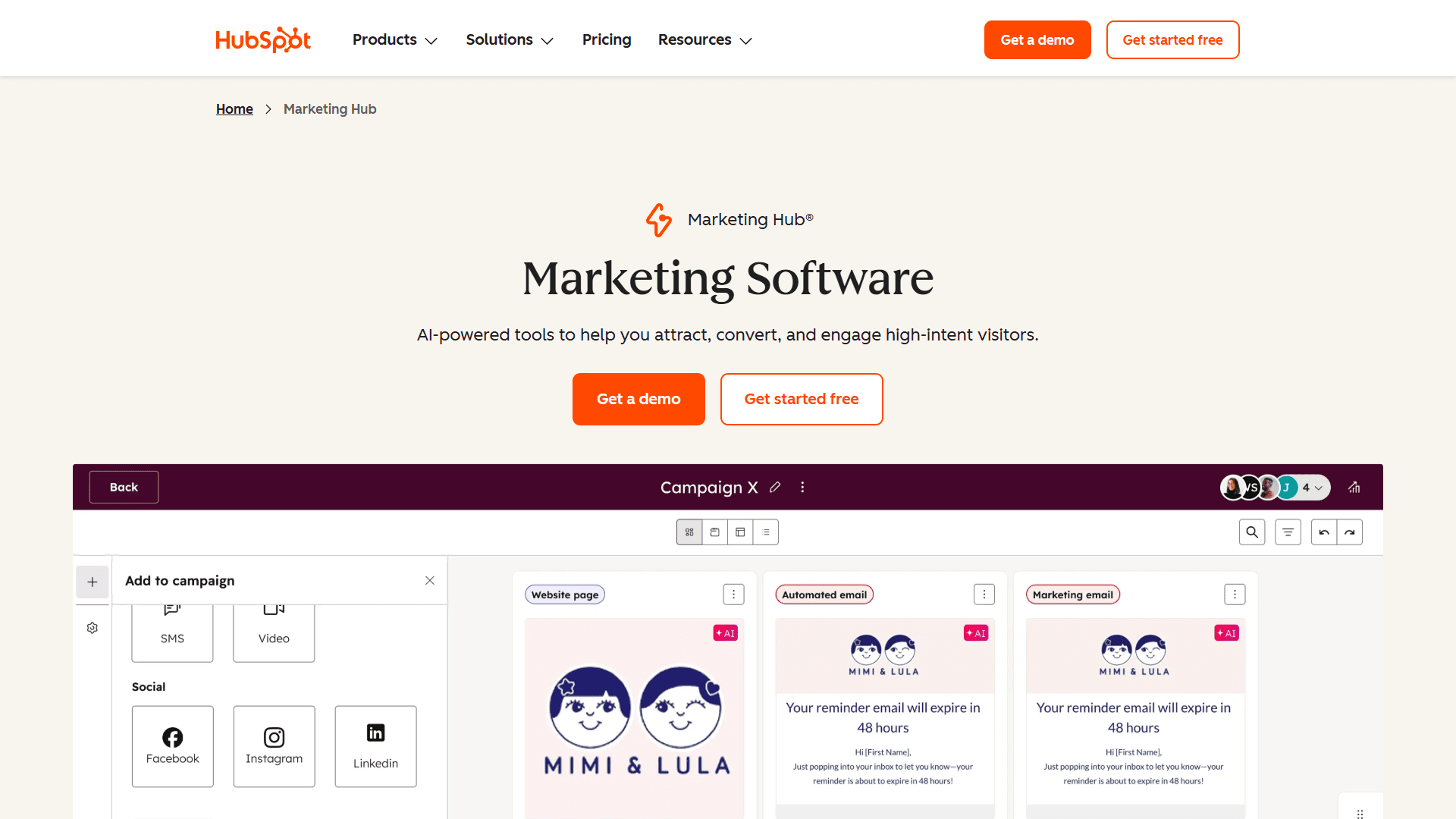
HubSpot Marketing Hub is a dedicated marketing CRM that centralizes email, social media, and customer management functions into one platform.
This makes it a great option for scaling brands that want all their customer activity data stored in a single platform and displayed in a unified, clear view.
LinkedIn Sales Navigator
LinkedIn Sales Navigator is a fantastic solution for B2B sales teams who want to pair cold email with cold LinkedIn outreach. Sales Navigator provides advanced filtering to discover ideal leads along with decision-maker activity alerts that help you time outreach over both LinkedIn and email.
Artisan
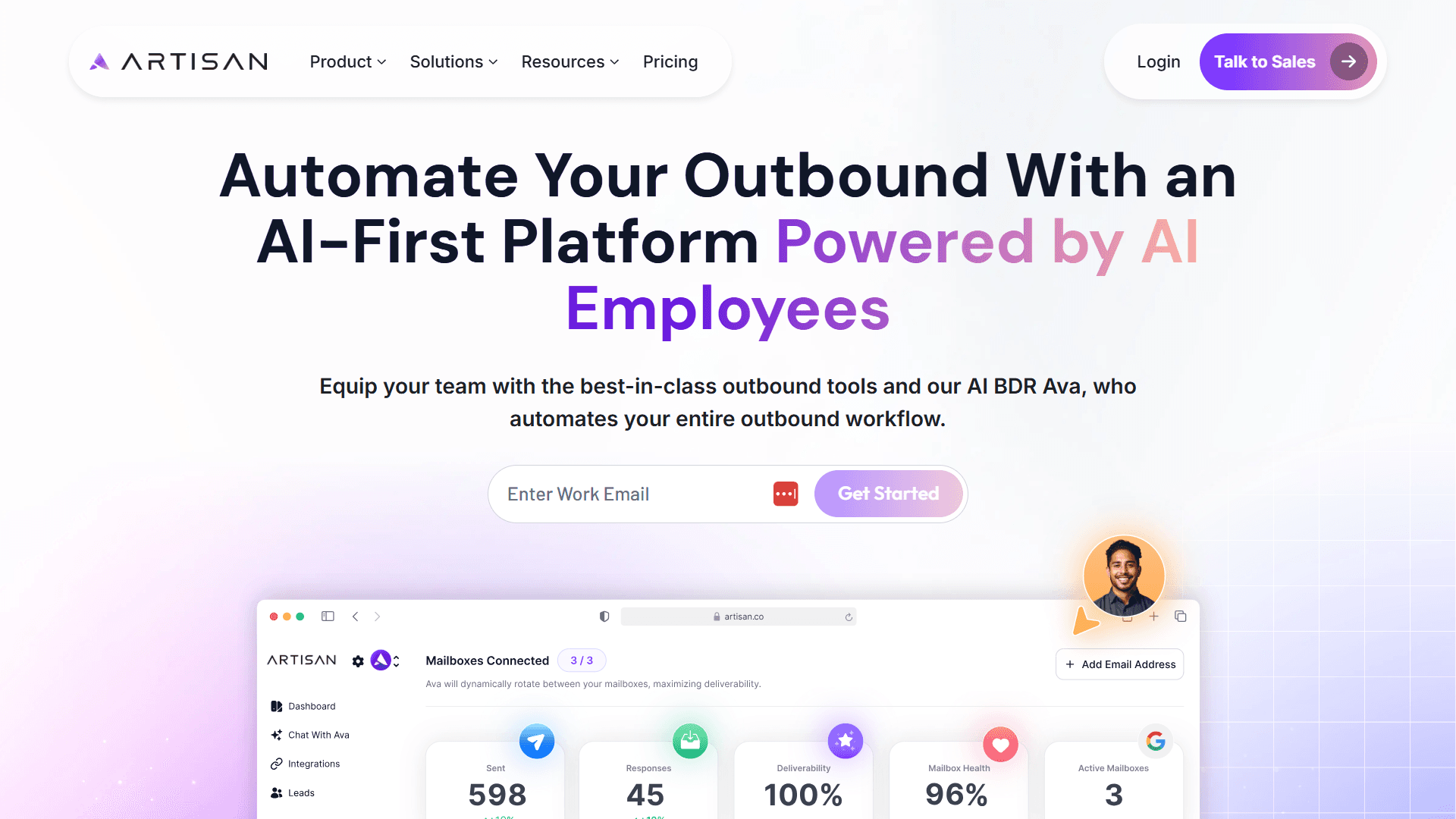
Artisan is an AI-first outbound sales automation platform built around an AI BDR called Ava, who can conduct personalized outreach over social media and email.
Ava finds leads from Artisan’s database of over 300 million B2B, ecommerce, and local decision makers and crafts highly personalized, human-like messages. This frees your sales and marketing teams to focus on tasks that require human input.
Artisan unifies outbound social media and email marketing into one fully automated workflow. It allows you to personalize cold outreach at scale, without doubling sales team headcount.
Creative Social Media & Email Marketing Ideas and Examples
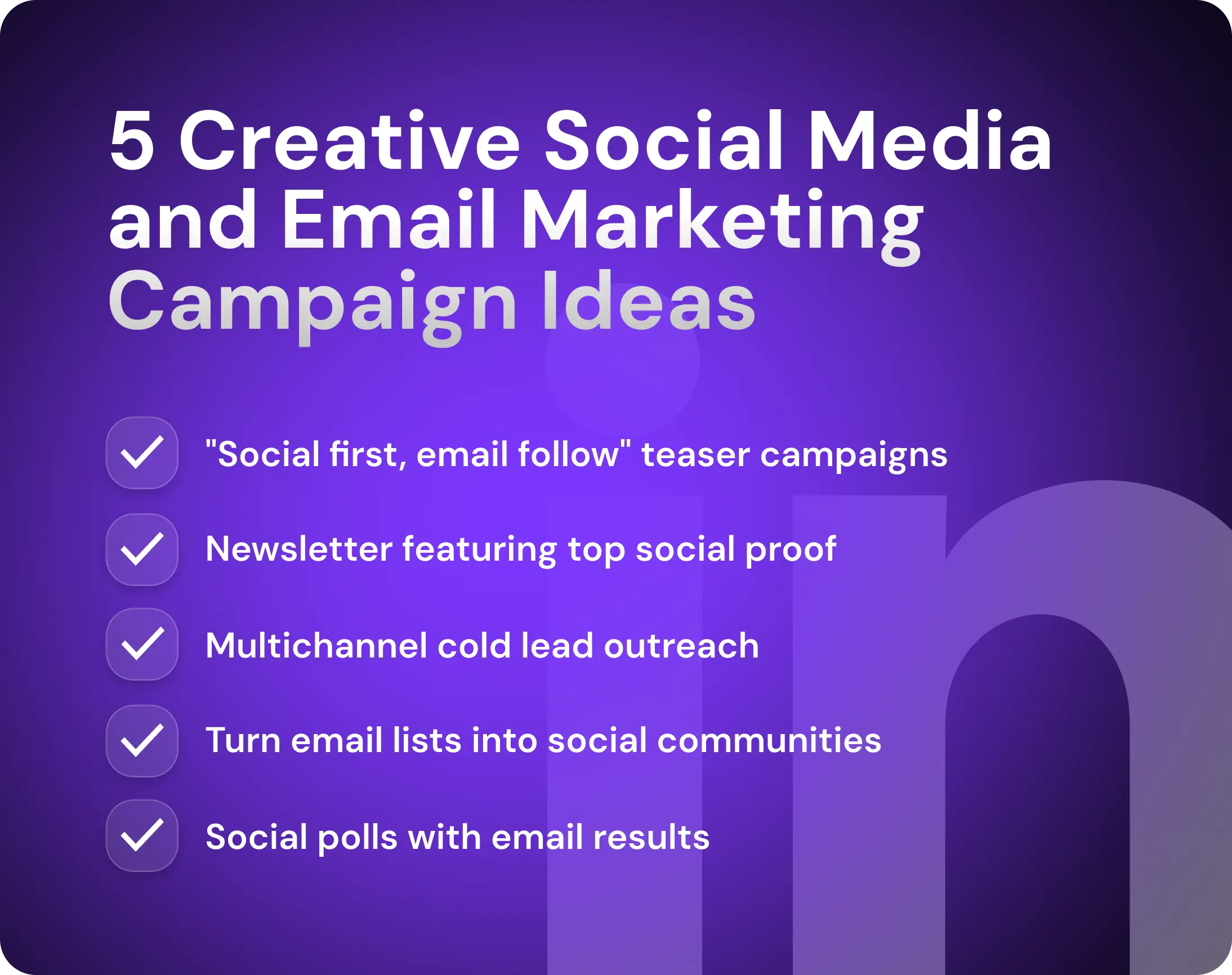
Ready to start implementing your unified email and social campaign? Before you do, here are four practical examples of how you can refine your strategy to drive even more follows, sign-ups, and sales.
Social Teaser Campaigns for Gated Content
Use social posts with partial reveals to build hype around a piece of premium content. Then make users subscribe to access the full asset.
For example, a marketing consulting firm might post a carousel on Instagram and write, ”We discovered the top three reasons most social marketing campaigns fail.” They might flash a few statistics before showing a CTA like "Subscribe for the Full Breakdown.”
You can also use this strategy to build buzz around product releases, as SEO specialist Adil Advani did at the machine learning company Securiti:
“We launched a limited-time product feature by posting teaser videos and countdown stories on social media, but the full details and exclusive access code were only shared via email. This drove a surge in email sign-ups directly from social, while boosting open rates because subscribers felt they were getting something insider only.”
Newsletter Featuring Social Proof
Round up your best customer testimonials and success stories and put them into a monthly “social spotlight” newsletter.
This way, you’re leveraging user-generated content as a way to boost trust with your email subscribers. Social media listening tools help execute this strategy because they allow you to easily find the posts that mention your solution or brand.
Multichannel Cold Lead Outreach
A multi-channel outreach sequence involves sending cold (but relevant and personalized) emails and social media messages over the course of several weeks. The goal is to book meetings.
An AI BDR tool like Artisan manages this automatically by prospecting leads according to your ICP criteria and sending personalized emails and messages to leads on autopilot.
Turn Email Lists Into Communities
Send emails that encourage your subscribers to join a social media group—such as a LinkedIn or Slack community. Communities are one of the best ways of building audience engagement over the long term. In addition, encourage participation among your followers by sharing relevant content related to your brand.
This is one of the ways that Liam Derbyshire, CEO and founder of Influize, unified his social and email marketing:
“We sent several short emails, and at the end of each one, there was an easy request, like ‘Tell us your story on LinkedIn.’ On social media, we shared the best answers and tagged the people who wrote them, which led to a cycle of appreciation and participation.”
Run Social Polls, Then Share on Email
Run a poll on social media and provide the results and your interpretation of those results via email. Tell participants they can see the full results and analysis by subscribing to your newsletter.
Just make sure the question is something your audience wants the answer to. People generally want to see how other professionals in their industry are tackling an issue, so that is a good place to start. For example, a sales software brand might poll its audience of sales directors on how they’re using AI to monitor sales performance.
Lock and Load Your Social Media Email Marketing Strategy
Using social media and email together in your marketing strategy leads to higher engagement, more personalized outreach, and better conversion rates.
There is, however, one small problem. Connecting multiple tools and creating cross-platform workflows is a bit of a hassle.
That’s why many teams use Artisan, an all-in-one AI sales automation platform that finds ideal leads, researches them, and engages with them over email and social media. AI BDR Ava, around whom the platform is built, generates and nurtures leads on autopilot, which means your sales team can focus on taking meetings and closing deals.