FMCG sales explained: Tips, trends, and strategies
A complete FMCG sales guide: definitions, strategies, roles, and tools to thrive in the highly competitive consumer goods sector.
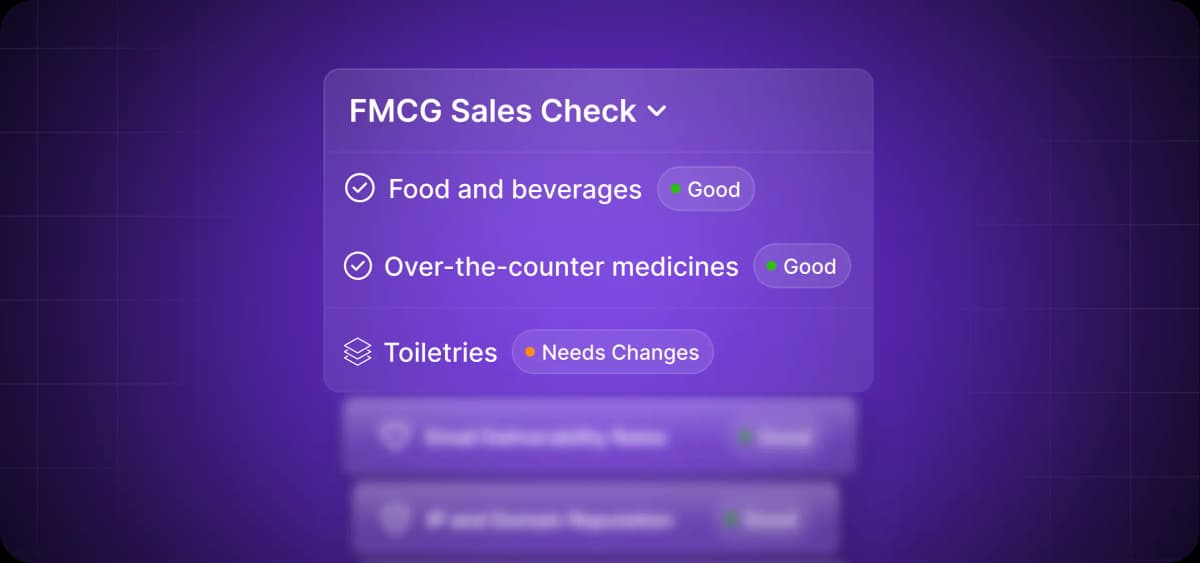
FMCG sales is uniquely challenging. Sales leaders working in this industry have to deal with remarkably intense competition, enormous sales volumes, and rapid inventory turnover.
We want to help make that job easier. How? By providing you with sales strategies, tools, and trends that will help you improve your FMCG brand’s customer relationships, sales efficiency, and profits.
What Are FMCG Sales?
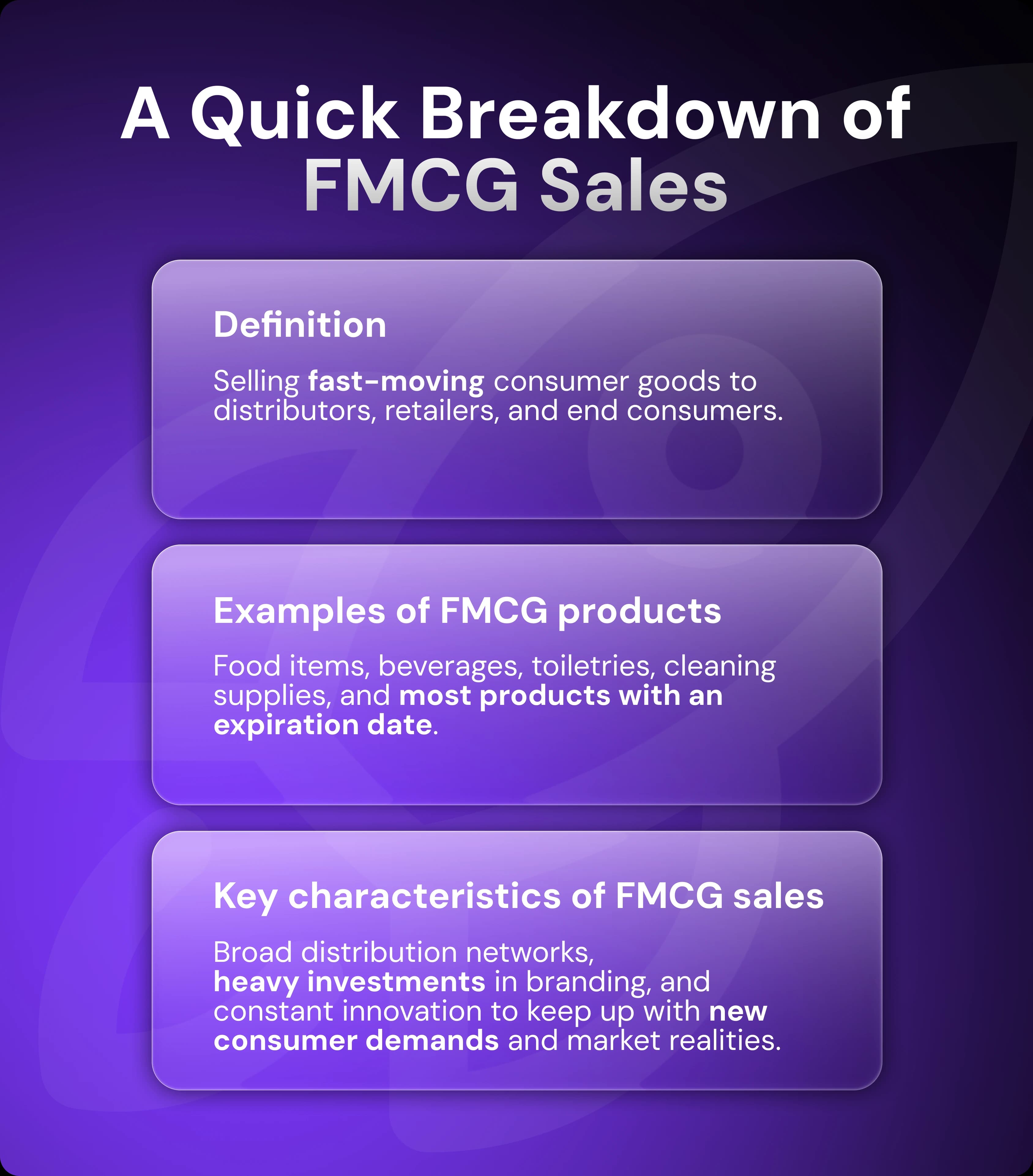
FMCG sales is the process of selling fast-moving consumer goods (FMCGs)—products that sell quickly, have a short shelf life, and are priced at an affordable rate. FMCG sales representatives sell primarily to retailers and distributors, who serve as the bridges between manufacturers and the final customers.
FMCG reps use the following sales strategies:
Outbound sales methods to acquire new leads and customers
Customer relationship management to keep current partners happy
Pricing optimization to ensure the ideal balance of demand and profit
Effective product placement to put products in the right space, in front of the right people
Product promotion and marketing to build excitement around products
We’ll go deeper into these and other aspects of FMCG sales later in the article when we get into the five most effective sales strategies for FMCG brands.
Examples of FMCG Products
Many well-known brands—Coca-Cola, Nestlé, Procter & Gamble—specialize in FMCG products.
The most common FMCG products fall under the following categories:
Food and beverage
Toiletries
cleaning supplieHouseholds
Over-the-counter medicines
These products are fast-moving because they are broadly desirable, low-priced, and often perishable.
This uniquely short shelf life directly impacts the FMCG sales model. To ensure high profits at such low prices, while also avoiding overstocking or stockouts, FMCG leaders focus on high sales volume, effective inventory management, and strategic distribution.
Key Characteristics of FMCG Sales
Here are the main characteristics that set FMCG sales apart from other industries:
Broad distribution networks: Since FMCG pricing is affordable, margins are low. So brands need to sell a high volume to turn a significant profit. Therefore, they need to get their products into a large number of stores and retail locations, sometimes across the entire globe.
Heavy investment in branding: When a customer is in a store, they only spend a few seconds deciding which of the hundreds of varieties of toothpaste to buy. Often their main consideration is “Do I know and trust this brand?”
Constant innovation to match consumer tastes: Remember when “fat free” was considered healthy by the general public? FMCG food brands created fat-free products with packaging that visibly reflected this feature. Years later, the public sentiment shifted in favor of healthy fats. These changes in buyer attitudes require constant adaptation.
Effectively managing inventory is vital, too. Brian Gunterman, CEO of barbecue equipment supplier DDR BBQ Supply, has put specific mechanisms in place to avoid stock-outs: “Individual check-ins with customers using purchase history or seasonal needs, accompanied by intelligent inventory management, avoid the problem of stockouts, which aggravates loyal customers.”
FMCG Industry: An Overview
The FMCG industry is large, highly competitive, and home to some of the most advanced marketing and large-scale sales techniques around.
Size and Scope
The global FMCG sector is enormous. Its market size was 14.1 trillion US dollars in 2024.
Collectively, FMCG companies bring in tremendous amounts of revenue. Coca-Cola alone pulled in 47 billion dollars in revenue in 2024. Nestlé, another big contender in the FMCG food and beverage space, generated a whopping 104 billion USD in revenue in that same year.
Why FMCG Is Highly Competitive
FMCG businesses can get so competitive that words like “war” and “blood feud” (in the case of Coca-Cola vs. Pepsi) are used when describing the competition for consumers.
What explains such intensity?
FMCG sales is uniquely competitive for three main reasons:
Limited shelf space: A retailer only has so much space to put and display products, so brands have to compete for the best placement.
Low product differentiation: The difference between two shampoos might be a slight note of cucumber in the scent or a little less sugar in a fizzy drink. Companies, therefore, typically compete on marketing, pricing, and brand loyalty rather than features.
Price wars and heavy promotions: Since consumers are so price sensitive, FMCG brands constantly monitor and optimize their pricing and promotional strategies.
The Role of Effective Marketing
With competition high and margins thin, marketing becomes incredibly important for FMCG brands. These companies invest heavily in advertising, trade marketing, social media marketing, and consumer promotions.
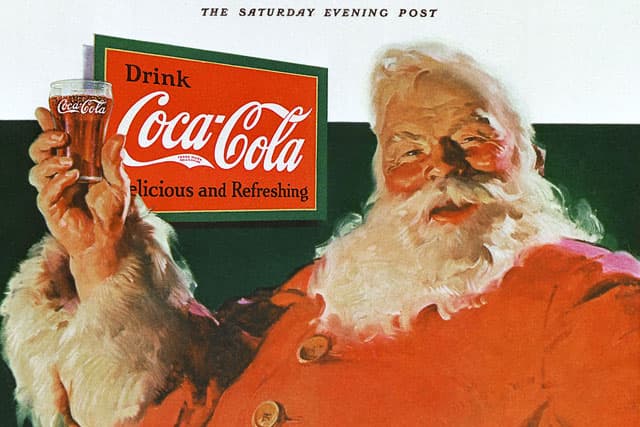
Branding is also critical. Savvy FMCG leaders know there’s a strong causal connection between brand equity and sales growth—Coca-Cola’s 1931 Santa Claus ad campaign, for example, forever connected the brand with Christmas, helping cement Coca-Cola as the best-selling soda drink in the world.
FMCG Sales Trends and Challenges Every FMCG Brand Faces
Today’s FMCG industry presents both opportunities and hurdles. Opportunities tend to center on new channels and shifting consumer preferences. Challenges, on the other hand, are typically a result of fierce competition and increasingly complex supply systems.
Key Trends Impacting the FMCG Playbook
FMCG sales is constantly changing in tune with economic, cultural, and technological landscape shifts.
Here are the key trends affecting FMCG sales leaders today:
Growth of e-commerce and omnichannel FMCG sales: Customers now shop for fast-moving consumer goods across multiple channels, including online marketplaces, mobile apps, and physical stores. FMCG brands need to create integrated buying experiences across these channels.
Personalization and consumer data use: FMCG brands use customer data to find ways to provide more resonant product recommendations, discounts, and custom offerings. It’s also easier than ever for FMCG brands to personalize outbound sales at scale thanks to sales automation tools like AI BDR software.
Health, sustainability, and social responsibility demand: Customers care deeply about how a product will affect their health, the environment, and society at large. According to a McKinsey report, products making ESG-related claims averaged eight percent higher cumulative growth over the last five years compared to products that made no such claims.
Use of AI and tech for predictive insights: FMCG brands that can predict demand for their products are able to make better decisions about inventory, advertising, logistics, and distribution. AI sales forecasting and predictive algorithms become essential for their ability to analyze large amounts of data and generate actionable insights.
Challenges That Keep Sales Teams on Edge
FMCG sales presents unique challenges for sales reps. The mix of competition, supply chain complexity, and shifting consumer preferences creates a need for operational agility and ongoing monitoring.
Here are the major challenges that FMCG brands have to overcome:
Intense competition and price pressure: There are numerous brands competing for shelf space and buyer attention. Just think of all the chip options in a 7/11.
Thin margins and dependency on volume: Razor-thin margins mean companies have to sell high volumes to be profitable. This means their profitability is highly vulnerable to the smallest dips in sales volume.
Rapidly changing consumer preferences: One day, eggs are unhealthy. The next day, they’re a superfood. For years, in-store shopping was king. Then Covid came, and online shopping usurped it. Such rapid changes keep FMCG sales leaders on their toes.
Distribution and supply chain complexity: Moving perishable or high-turnover goods through various distribution channels, warehouses, and retailers is a puzzle, to say the least. But just getting goods to customers isn’t enough. FMCG brands have to do this while keeping operational costs low, avoiding stockouts, and preventing product waste.
Regulatory and economic constraints: From advertising and product safety regulations to economic shifts like increased sales tax and inflation, FMCG brands have to deal with a lot of uncontrollable factors affecting consumer demand and operational costs.

Automate your outbound with an AI BDR
Meet Ava—your AI BDR who handles prospecting, outreach, and follow-ups, so your team can focus on closing.
FMCG Sales Strategies That Move Consumer Goods Off the Shelf
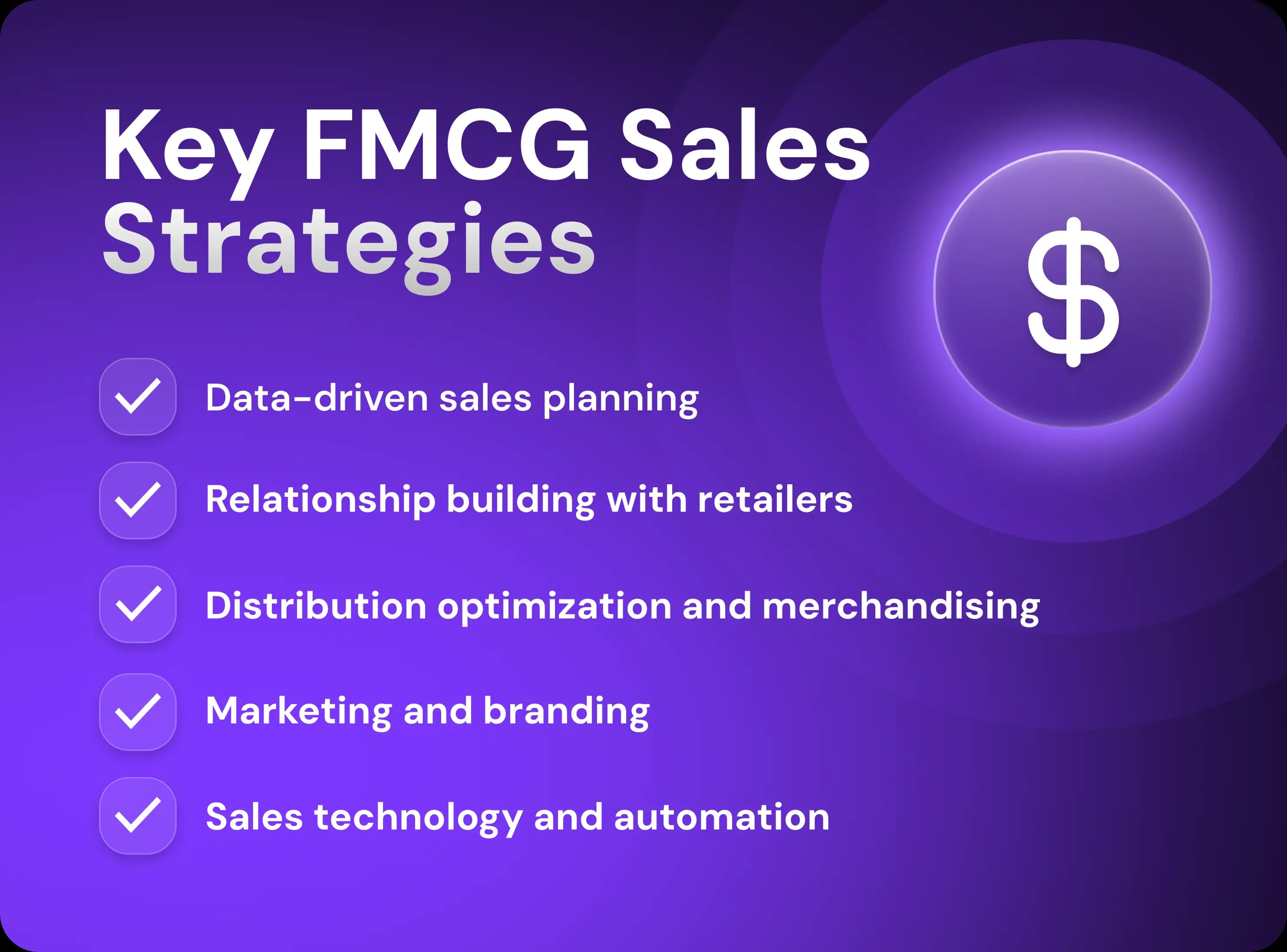
The best FMCG sales strategies simultaneously achieve multiple goals. They use data to inform future sales planning, help keep relationships with retailers positive, continuously optimize distribution, and maintain brand awareness of individual products.
Data-Driven Sales Planning
The success of FMCG brands heavily depends on their ability to predict demand and adapt inventory and sales strategies accordingly. This is how they avoid stockouts (lost sales) and overstocking (waste) and ensure the right products are in the right place at the right time.
To get an accurate picture of the future, use sales forecasting tools that transform historical sales data and real-time market trends into actionable insights that help you meet demand, optimize inventory, and boost sales.
The best part is that these tools automatically monitor real-time sales data for you, helping you spot potential issues and solve them before they hurt your revenue numbers.
Automated monitoring also helps you identify opportunities to boost sales. For example, an app might flag a heatwave causing a hike in sales velocity for sports drinks in affected regions. The beverage brand can redirect its inventory from cooler areas to heat wave areas.
Building Strong Customer and Retailer Relationships
The goods might be fast-moving and have a high turnover, but sales in the FMCG environment are anything but boiler room. Strong, long-term relationships with your retailers and customers are what lead to success.
Here are four best practices for strategic relationship building in FMCG sales:
Collaborate with retailers: Treat your client relationships as partnerships. Get to know each retailer’s specific needs, challenges, and pain points. Then, work on a sales strategy that serves both your goals. This way, they see you as someone actively working to boost their profitability, not just another supplier.
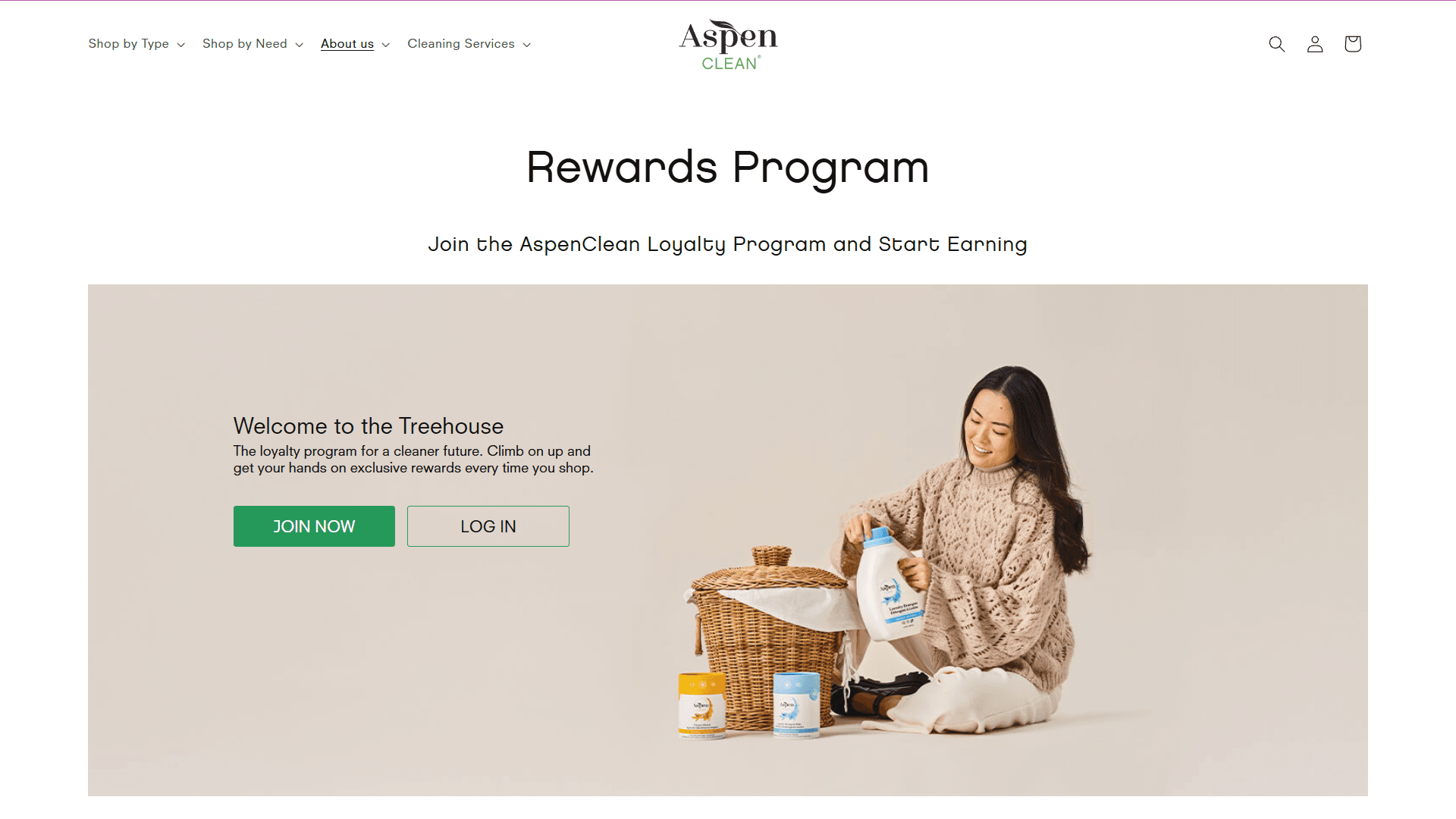
Offer loyalty programs: Offer incentives that make retailers want to buy from you, give you the best product placement, and maintain optimal stock volumes. These could be volume discounts or performance bonuses, for example. You can create loyalty programs for end-consumers too, as Aspen Clean has done:
Share data and insights: Act as a consultant. Offer market insights and category performance data that help distributors make better business decisions.
Communicate consistently: Maintain consistent touchpoints throughout the relationship. Proactively respond to and solve any complaints. And be upfront and honest about any supply chain hiccups or product changes.
Optimizing Distribution and Merchandising
To maintain a high sales volume, FMCG brands must maintain wide distribution and ensure uninterrupted product availability.
Here’s how FMCG suppliers can optimize supply and distribution:
Establish retail coverage in key locations and use location-based marketing tactics
Use tech-supported inventory forecasting to prevent stockouts and missed sales
Execute route-to-market strategies that balance direct distribution, wholesalers, and online shopping channels
Optimize supply chain efficiency so products arrive in stores on time and stock is quickly replenished
FMCG teams should also consider the following merchandising strategies:
Trade marketing: Market your products to retailers and distributors by offering incentives. For example, you could offer a volume-based rebate, where retailers receive a 4% discount when they purchase 200 cases of your product.
In-store activations: Send reps to stores to promote your products directly to buyers. For example, a craft beer company might offer tastings at local bars in its top target location.
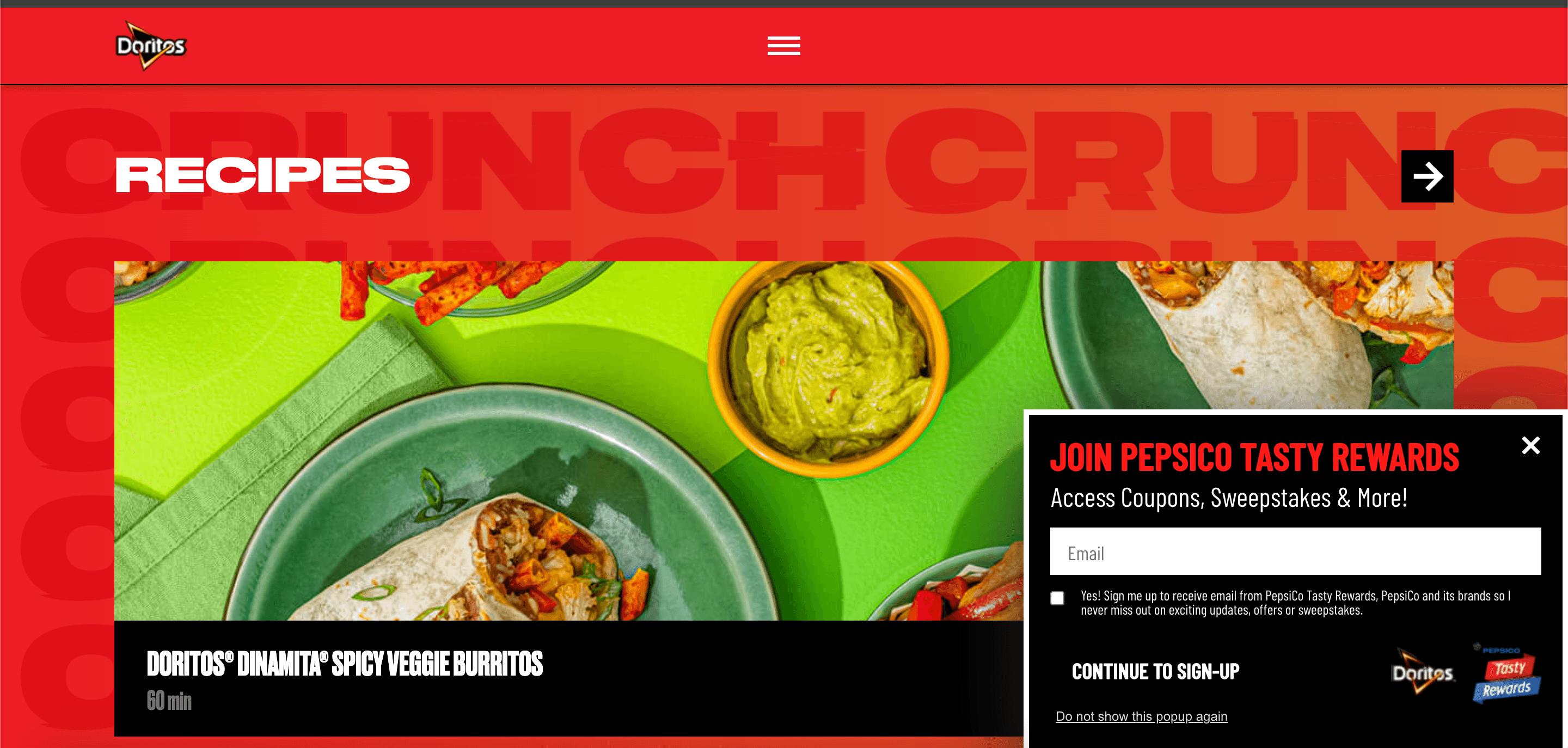
Promotions: Offer deals to consumers, like “buy one get one free” campaigns, limited-time price reductions, and gift-with-purchase incentives (like winning a free spatula if you buy a pack of 32 frozen burger patties). PepsiCo, for example, offers subscribers the chance to win coupons and enter into sweepstakes to win prizes.
Marketing and Brand Building Alignment
Marketing and brand building are two levers you can pull to make sales a lot easier. It’s difficult to overstate the value of a well-known, respected brand in FMCG markets.
Here’s how to create an aligned marketing and branding strategy:
Synchronize marketing campaigns with sales rollouts: Coordinate with the marketing team to ensure your products are already on the shelves by the time your customer-facing advertisements launch. This way you won’t lose trust with those customers who go to buy your new product only to find it’s unavailable.
Use brand equity to influence retailers and buyers: Mention proof of brand equity during negotiations, like social media engagement and repeat purchase rates. Retailers favor brands with high consumer loyalty—the more fans, the more customers for them.
Conduct local activations for regional growth: Partner with retailers to execute local marketing events, like in-store sampling or product demonstrations. This is a great way to build relationships with end-consumers and drive sales at retail locations.
Leveraging Technology and Automation
Sales technology and AI automation help FMCG boost efficiency across the whole sales process. A well-integrated, modern stack can even mean the difference between a just-working strategy and one that drives profits higher than industry averages.
Here are three categories of sales tech to investigate:
New partnership automation: Automating the early and middle stages of your outreach process to potential partners is now a possibility thanks to AI sales tools, which heavily automate cold outreach. Artisan is one such example of an AI sales tool. It is built around an AI BDR called Ava, who handles lead prospecting, outreach, and follow-up autonomously.

AI for demand forecasting and sales enablement: AI demand forecasting tools can predict demand with high levels of accuracy, which helps you manage inventory and schedule sales initiatives. In addition, AI sales enablement tools help you execute those sales initiatives, providing reps with real-time coaching, automated content creation, and account intelligence.
Mobile tools for field reps: Mobile-friendly sales tools help field reps improve efficiency on the go by offering features like GPS tracking and route optimization, remote order management, CRM integration, real-time stock visibility, and more.
Measuring and Improving FMCG Sales Performance
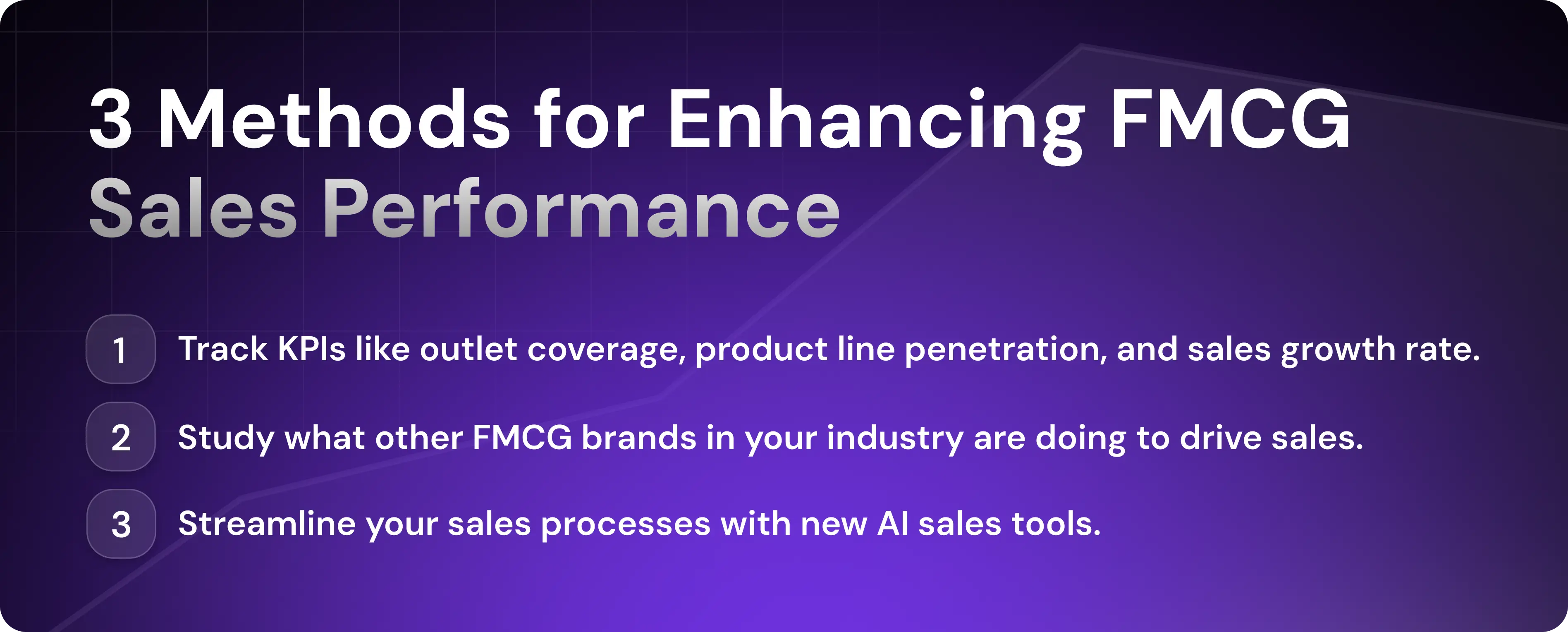
From tracking the right metrics to studying successful FMCG marketing campaigns, let’s look at the best ways to improve your FMCG sales performance.
Metrics That Reveal Who’s Winning
Measuring sales data is critical in the FMCG industry. The secret strategic play that gives you a boost over the competition is often hidden in the numbers.
Here are the three most important metrics FMCG companies track:
Outlet coverage: This metric tracks the reach of your products. It’s often measured as a percentage of outlets in your market that carry your products.
Product line penetration: Also known as SKU penetration, it measures how many of your products are sold within the outlets carrying them.
Sales growth rate: This financial metric measures the rise or fall in sales over a given period. A positive rate is often a sign your marketing and distribution tactics are working.
FMCG Sales Examples in Action
Studying examples of successful loyalty programs, product launches, and marketing campaigns is one of the best ways to find techniques to improve your sales strategy.
With that in mind, here are three standout examples of how three FMCG brands are driving sales:
Coca-Cola seasonal campaigns: Coca-Cola’s ads are a masterclass in value-driven brand building. In the ad below, they’re evoking the joys of living in the moment, something especially alluring during our time of obsessive phone use.

Unilever eco-friendly product launches: Unilever appeals to its environmentally conscious buyers by emphasizing its products’ eco-friendly features. For example, they say in their ad copy that their detergent pods come in “plastic-free packaging.”

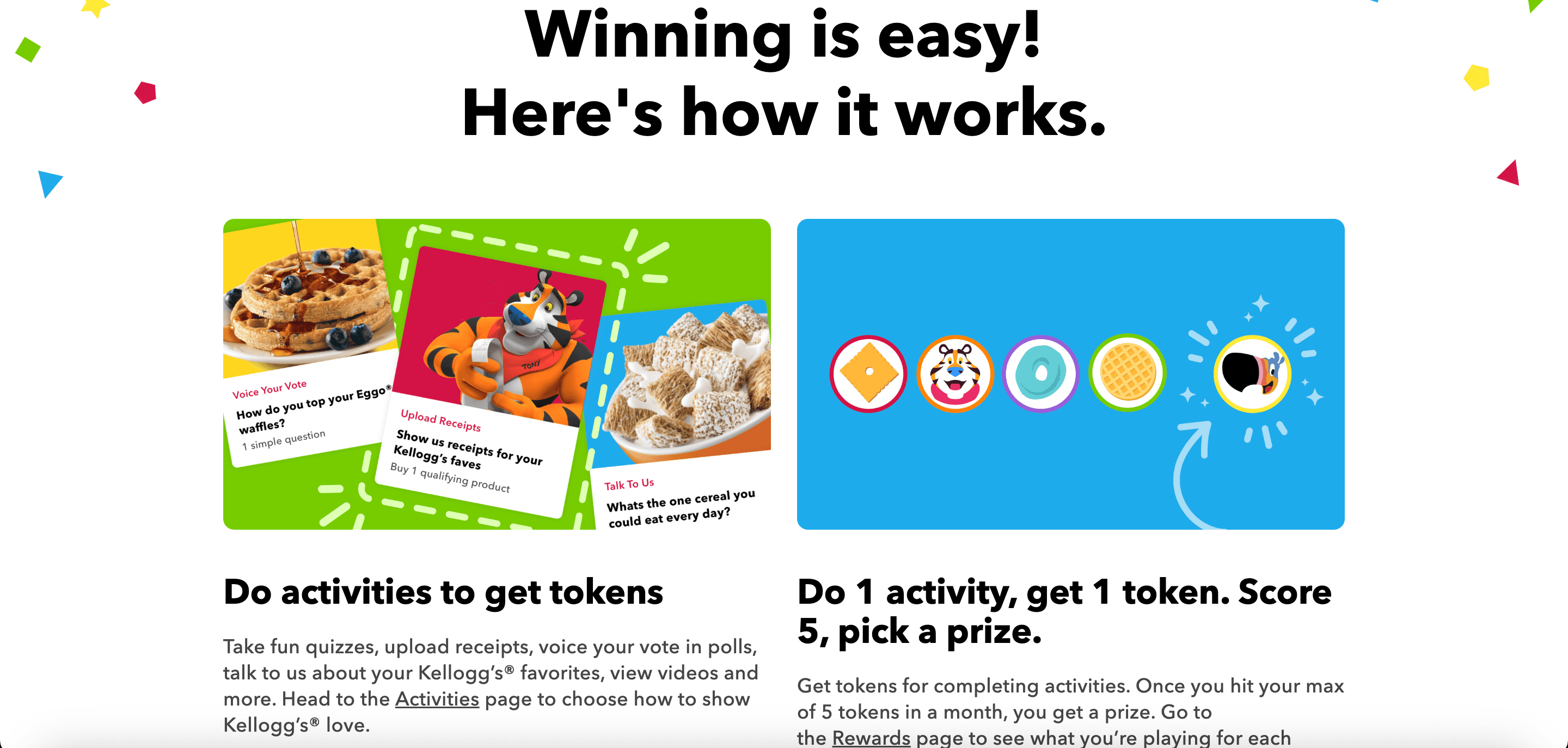
Kellogg's loyalty program: Kellogg’s family rewards program enables members to win exclusive deals and prizes by doing things like taking quizzes or uploading receipts. This is a great way to build a connection with buyers.
How Outbound Automation Tools Like Artisan Help FMCG Sales
One of the most tedious parts of FMCG sales is finding and contacting potential distribution and retail partners. Yet it’s also absolutely essential for growth.
Artisan is an outbound sales AI platform that does this all for you. It’s powered by an AI BDR—called Ava—who automatically finds targeted leads and sends them highly personalized emails and social media messages. Everything happens on autopilot and at scale.
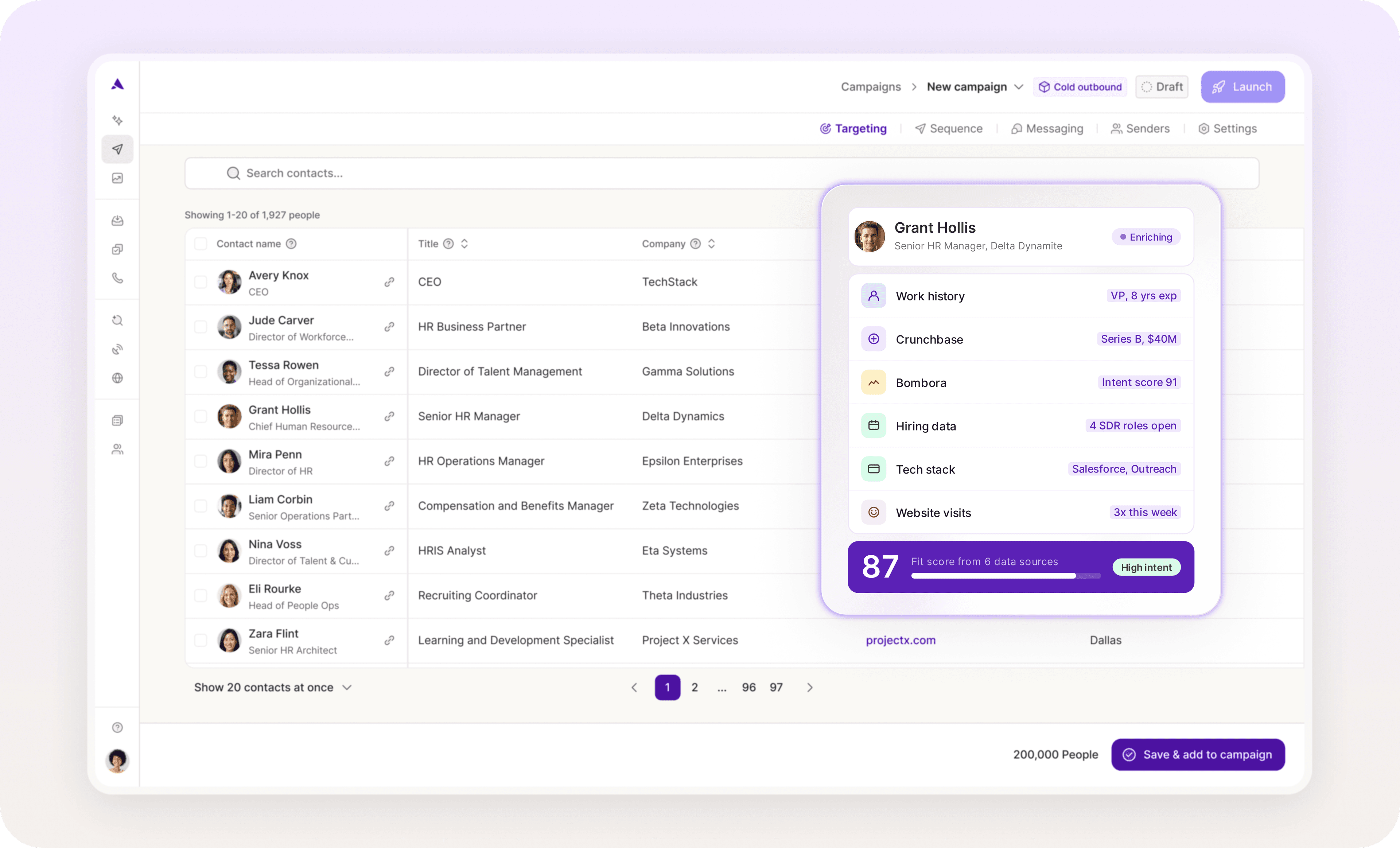
Access to Database of Over 300 Million Leads
Ava prospects from a database of over 300 million B2B, local, and ecommerce leads. She works with your distributor and retailer ideal customer profiles (ICPs) to find best-fit potential partners.
Personalized Outreach at Scale
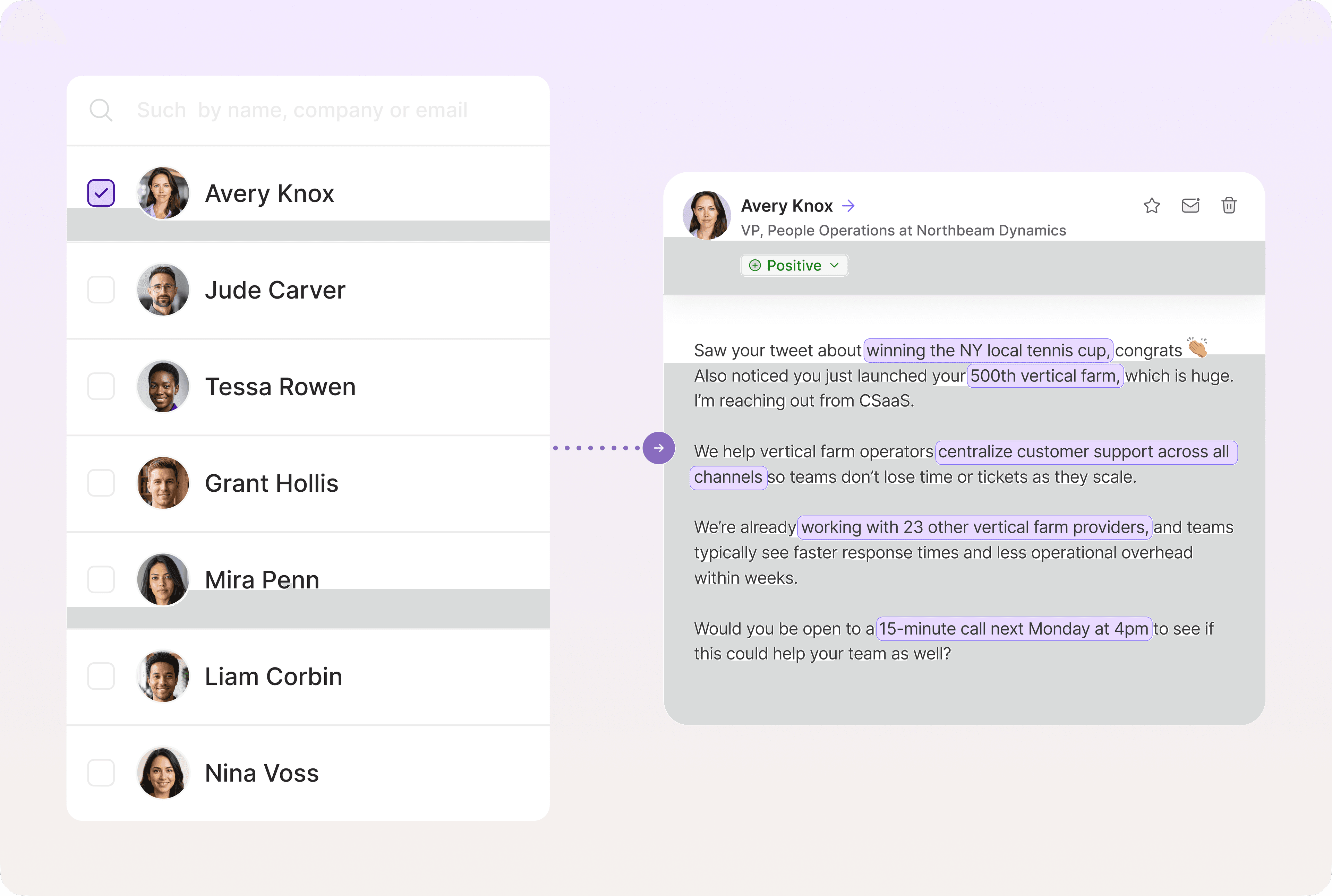
Ava scrapes the web for lead details and personalizes email and social media messages at a level that matches—and often surpasses—human quality.
Automated Website Visitor Tracking
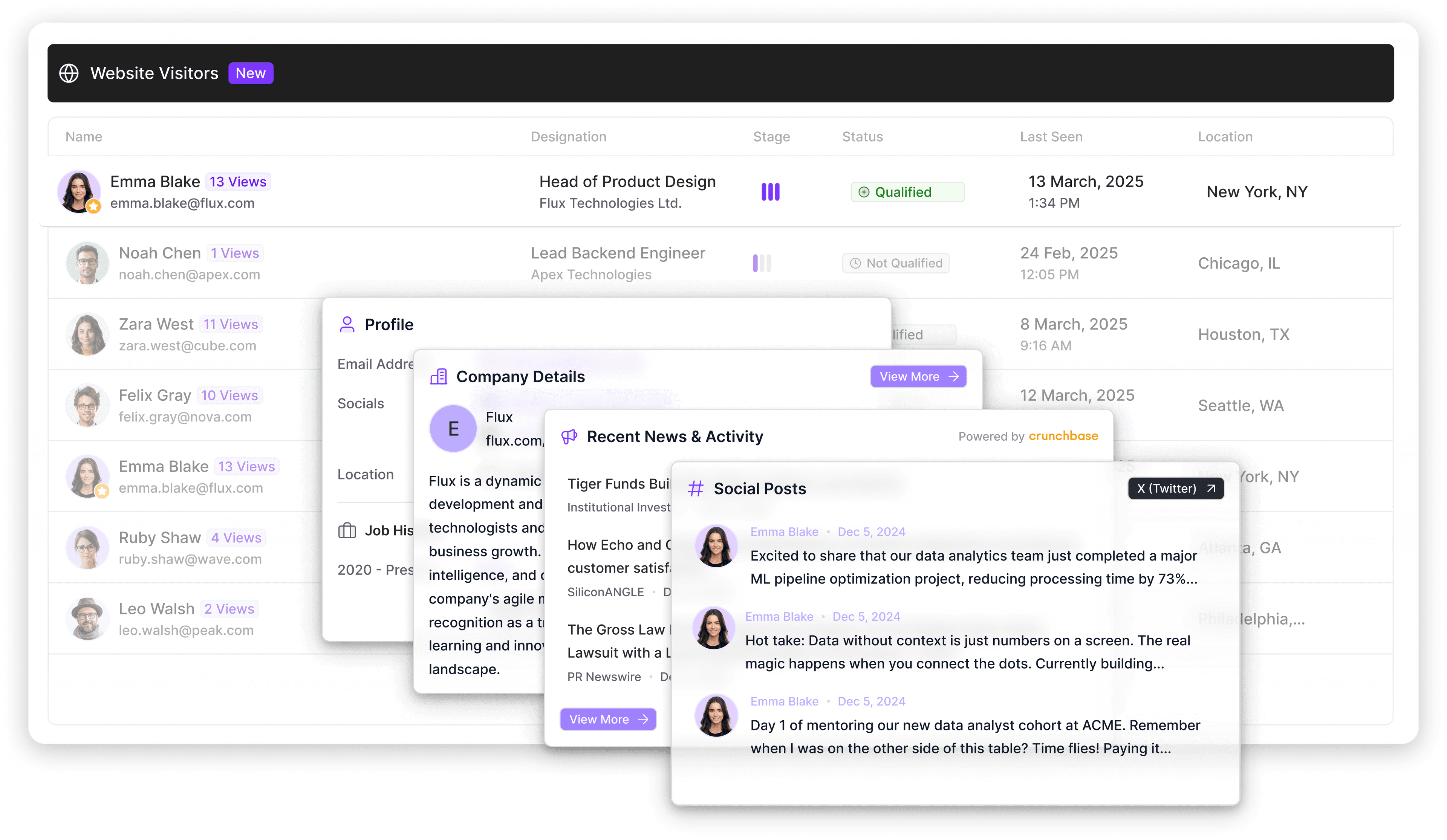
In addition to cold outreach to leads who aren’t familiar with your brand, Artisan tracks website visitors at the company level. Key decision makers at relevant accounts are then sent tailored emails.
The FMCG Market Rewards Teams That Move Fast
The most successful FMCG sales teams use tools to power their sales process. They use them to collect and understand data, connect with new partners, manage inventory, track sales performance, and more.
Artisan is an AI-first sales tool that handles all of the early and middle stages of the outbound process. AI BDR Ava discovers potential partners and connects with them via personalized multichannel sequences, which allows your team to focus on the areas where they can drive the greatest possible value.
Automate your outbound with an AI BDR
Meet Ava—your AI BDR who handles prospecting, outreach, and follow-ups, so your team can focus on closing.

Sam Rinko
SME @ Artisan
Sam Rinko is a former SaaS sales rep turned tech writer. He sold real estate software before writing about lead generation, cold calling, and AI sales tools.