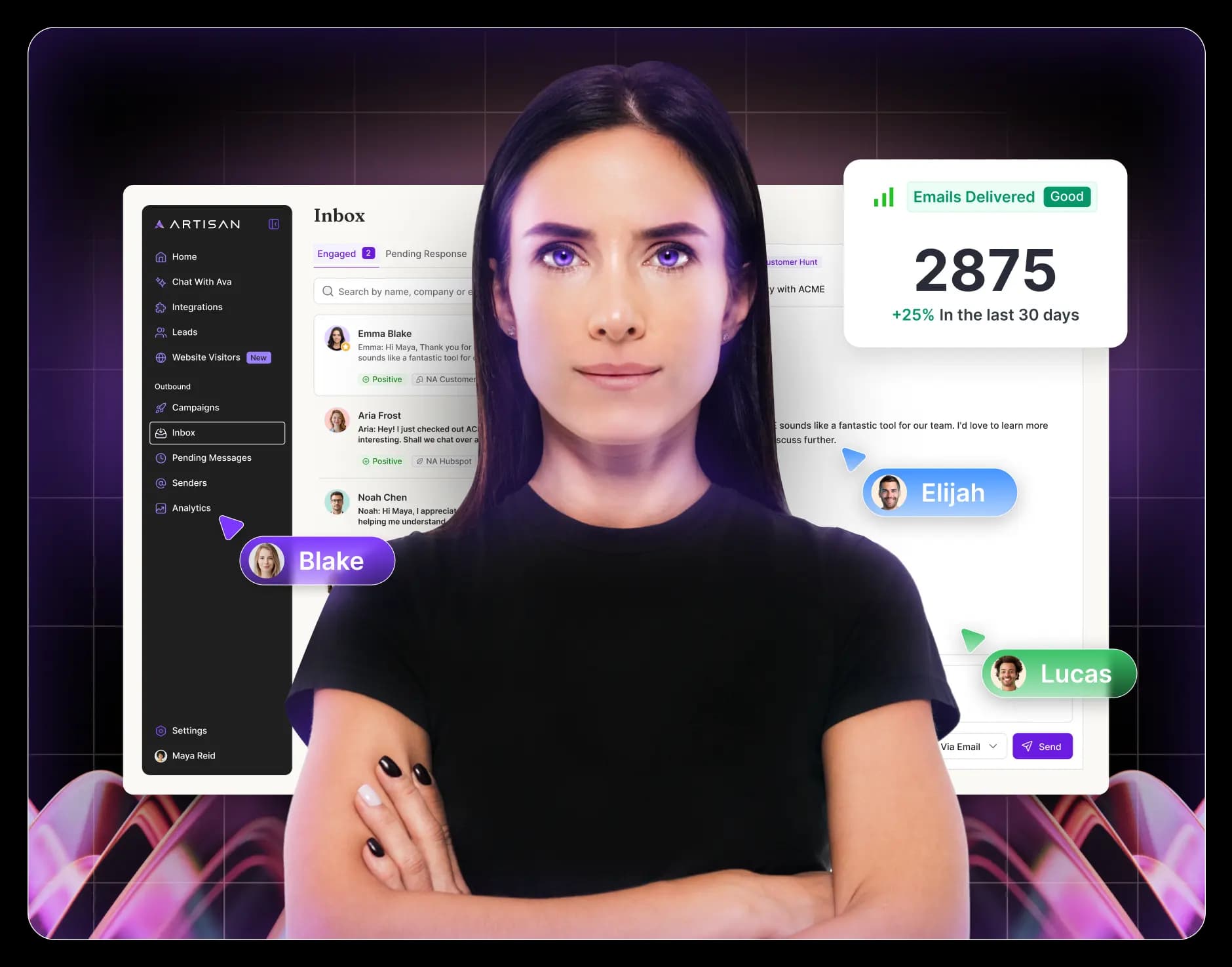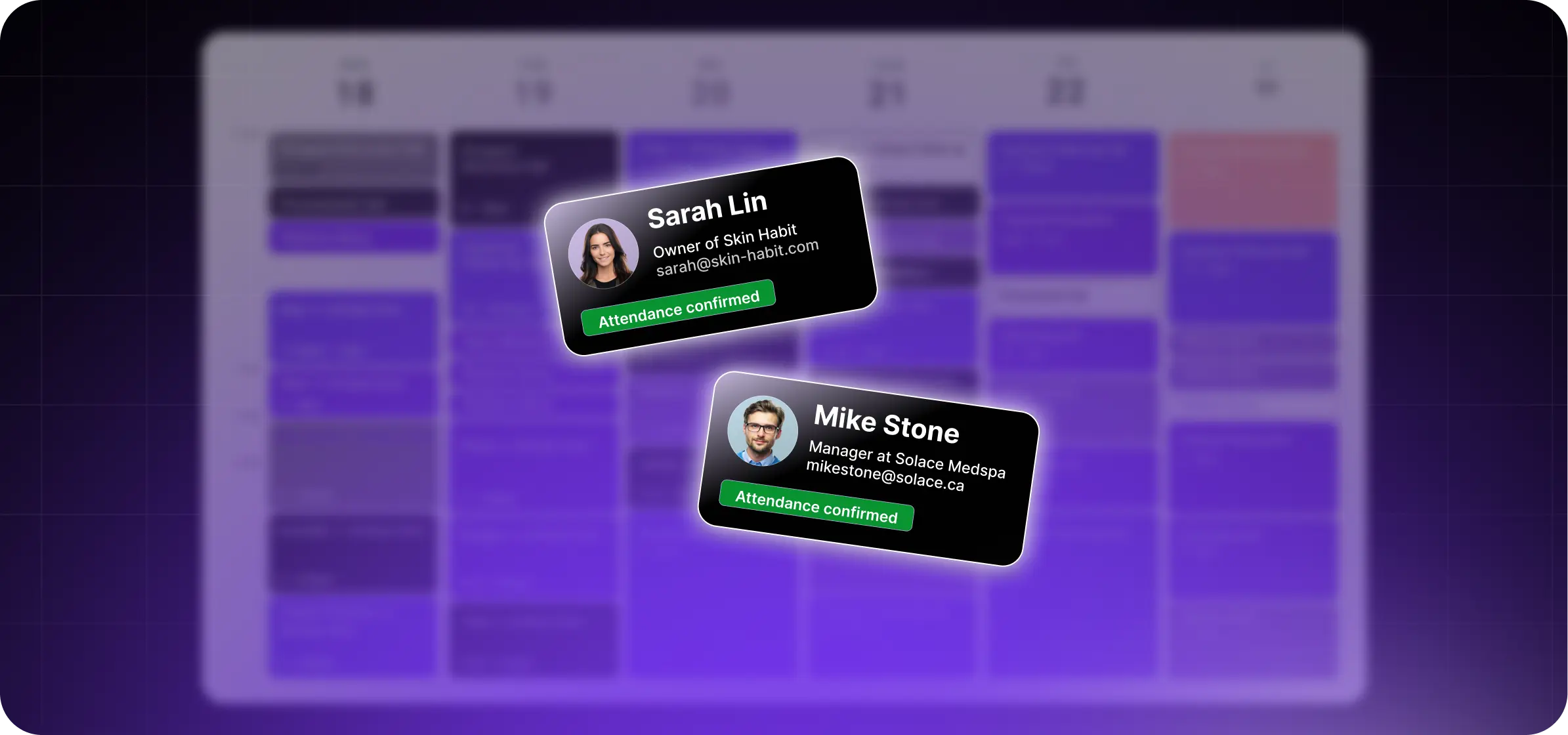
Running an engaging event is one thing.
Turning the goodwill you’ve generated among your audience into revenue? That’s another monster entirely.
But it doesn’t have to be difficult.
This guide shows you how to promote your event, create an engaging event experience, and turn attendees into paying customers.
What Is an Event Strategy, and How Does It Drive Pipeline?
An event strategy is a roadmap for achieving sales goals related to lead generation, brand awareness, and customer retention—rather than just entertaining your audience.
It differs from event planning, which is concerned with the logistical details of running an event rather than getting clear on the big question. A strategy looks at how exactly your event staff and sales team will generate leads before, during, and after the event.
An event strategy answers the following questions:

What are the organization’s primary sales goals this year?
Which goals can this event impact and how?
What KPIs are we tracking (qualified leads, conversions, registrations)?
What resource constraints are we dealing with?
Who is the ideal attendee?
What does this attendee need to experience to convert?
What is the multistage plan for promotion, engagement, and follow-up?
You’ll also ask, “What type of event will best drive impact, considering our resources at the moment?”
There are three major types of events, each with different pros and cons:
In-person events are ideal for building personal relationships with attendees, but people have to travel to the event space, which can limit attendance. Renting an event space can also cost a pretty penny.
Virtual events are usually the most cost-effective and accessible option. There’s no need to rent a space. You can fund them with virtual sponsorships. And they allow for global participation. The con is that there are reduced opportunities for personal interaction and networking.
Hybrid events provide the best of both worlds. However, these events can be difficult to organize because you have to coordinate two distinct experiences.
In sum, your event strategy develops from organizational goals and gives you a framework to navigate the myriad of decisions involved in event planning.
How to Align Events with Sales Goals
A strong event strategy ensures that event goals are serving larger sales initiatives. It defines clear objectives, identifies the right target audience, and coordinates marketing and sales hand-offs.
1. Define Clear Objectives and KPIs
Defining clear objectives and KPIs gives your strategy team a clear direction. It also prevents you from spending money in the wrong places.
Here are four sales-related goals to consider including (with examples):
Pipeline influence: Drive 15 to 20 new sales opportunities worth $50,000 in MRR.
Demo sign-ups: Generate 100 new registrations for a live demo of the new product.
Partnership deals: Initiate 3 collaboration agreements with brands that give us access to their audience.
Media coverage: Drive 5 press mentions and 10,000 social media impressions from the event.
If your goals are the high-level outcomes you pursue, KPIs are how you measure them. The table below lists the most common event KPIs, and your strategy should account for most if not all of them.
KPI | Formula | What it measures |
Registrations | Total number of sign-ups | Promotion effectiveness |
Marketing-qualified leads (MQLs) generated | Number of attendees that fit ideal customer profile criteria | Lead targeting precision |
Follow-ups booked | Number of post-event meetings scheduled | In-event and post-event sales effectiveness |
Conversion rate | (Number of conversions / Total attendees) x 100 | Your ability to turn attendees into sales leads |
ROI | (Revenue generated - Event costs) / Event costs x 100 | Overall financial success of the event |
2. Identify the Right Audience and Event Type
Before choosing your event type, define your target attendee. Create buyer personas with demographics, company type, industry, job title, interests, decision-making power, and place in the buyer’s journey.
This is a critical first step because different audiences require different types of experiences to convert. A lead who is familiar with your brand and the problems you solve is going to require different information and interactions compared to a lead who is just discovering your company.
Here’s an overview of the event types that work best for different funnel stages:
Top of funnel (aware of problem): When targeting TOFU attendees, your event should educate them about the problems you solve, build credibility, and generate interest in your solution. Use trade shows, educational webinars, and community meetups.
Middle of funnel (evaluating solution): These events need to deepen their knowledge of your solution’s features and differentiators, while continuing to build trust. Use live demos, product workshops, use-case webinars, and industry roundtables.
Bottom of funnel (deciding to buy): These events push leads over the finish line by providing clear ROI, showing case studies, and helping champions sell internally. Use industry trade shows with one-to-one meetings, executive roundtables, and customer use-case interviews.
Another key factor in choosing the right event format is your company’s size. Whereas enterprise sales teams have the resources to throw large events, startups need to take a more cost-effective approach.
Here are the best event types for startups vs. enterprises:
Startup-friendly events: Virtual feature launches, ask-me-anything live streams, educational webinars, booths at trade shows, and local meetups or founder summits where startup execs can network with early adopters and investors.
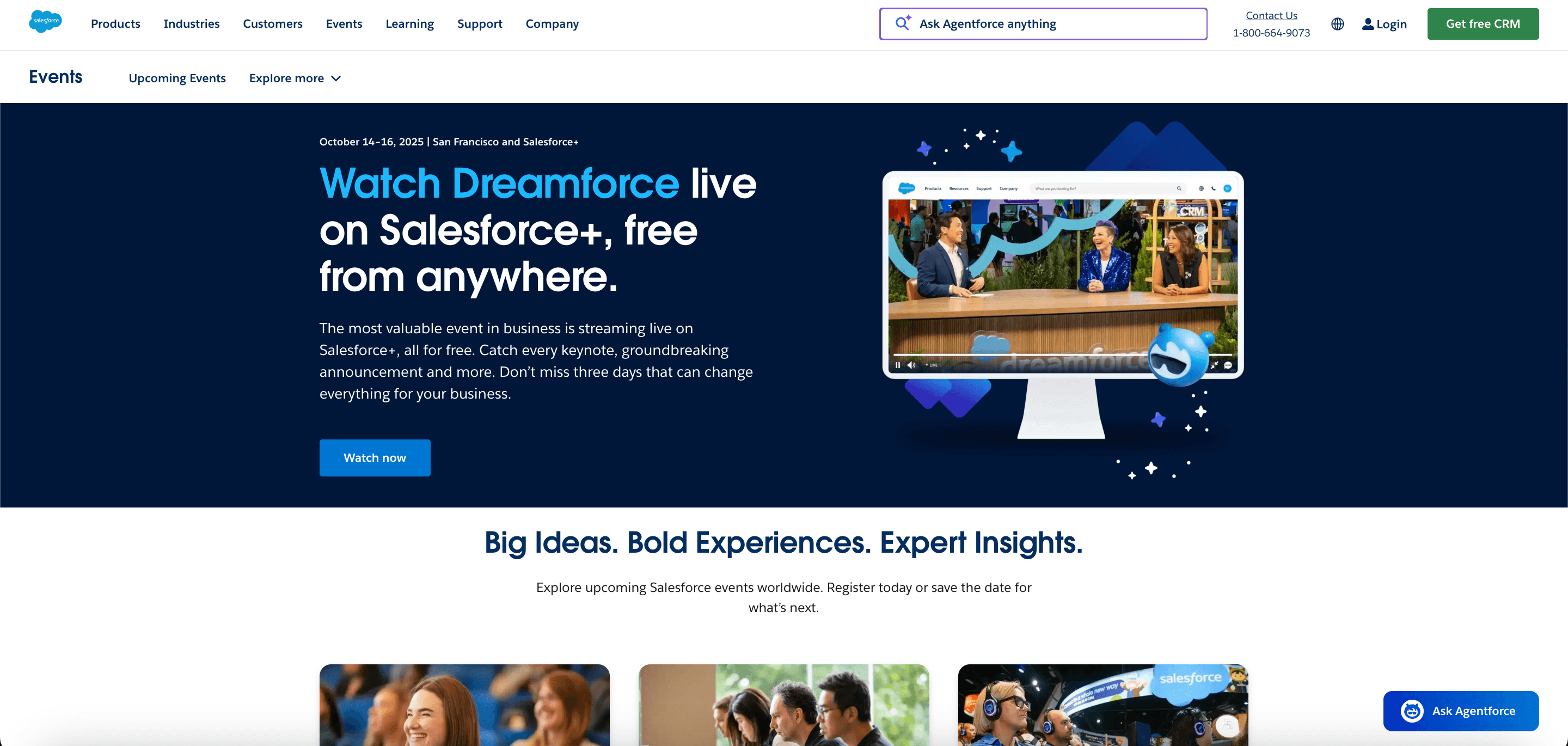
Enterprise events: Executive roundtables to engage senior execs, industry trade shows with one-to-one meeting schedules, and hybrid, multi-day events with keynote speakers and networking opportunities, like Salesforce’s three-day Dreamforce event.
3. Coordinate Marketing and Sales Alignment
Event objectives should tie into quarterly sales goals. Explain how event planning decisions, like enlisting a certain guest speaker or investing in glamorous signage, will help you generate revenue.
For example, a marketing team might justify purchasing an event booth because it will allow them to demo their product to at least 100 event attendees and book in-depth demos with 25% of them (based on data from previous booths).
In addition to latching event objectives to sales goals, it’s also critical to create workflows for efficient lead handoff between marketing and SDRs.
Here’s a lead handoff strategy for tracking and enforcing event follow-ups:
Pre-event alignment: Establish lead scoring criteria so both marketing and sales know what qualifies a lead as hot, warm, or cold.
During the event: Use a shared CRM or lead capture app where the event team can log notes about conversations with leads, pain points, needs, etc.
Immediate follow-up (24 to 48 hrs): Marketing sends priority leads and any context notes to SDRs for direct outreach.
Marketing follow-up: Marketing nurtures warm and cold leads through automated email sequences. If a lead responds positively, they pass them to the SDR team.
Accountability: Create a shared dashboard in your CRM that tracks lead status—contacted, qualified, booked meeting, or disqualified—so no leads fall through the cracks.

Pre-Event Planning and Promotion
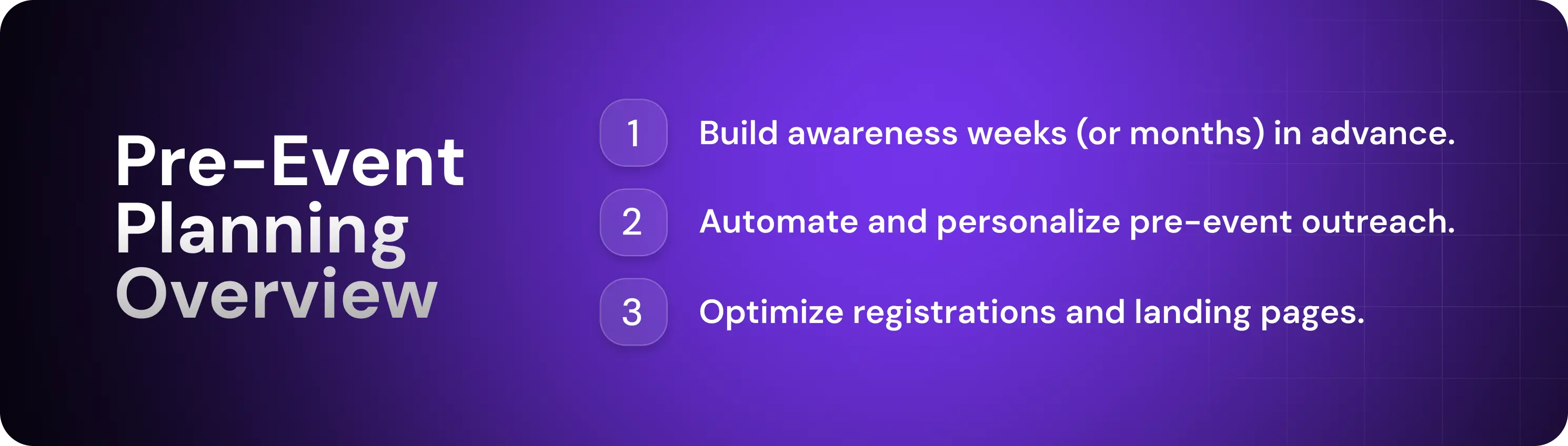
Pre-event promotion is as essential as the event itself. Building buzz, automating pre-event outreach, and optimizing your event’s registration page will ensure that you reach—and convert—as many attendees as possible.
1. Build Awareness Early
The early bird gets the worm—Benjamin Franklin’s adage is as true of B2B event hosting as it is of personal productivity.
Start promoting early, and you’ll generate more ticket sales and registrations. Simple as that.
How early? For smaller virtual events, start promoting them two to four weeks beforehand. For larger events, like conferences, begin months before the event date.
Here are the best ways to build event awareness:
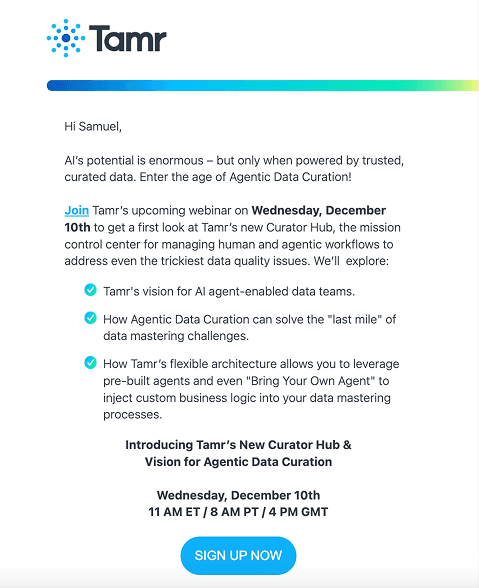
Run targeted campaigns: Launch promotional sequences to ideal leads across LinkedIn and email. Highlight what attendees will learn if they come to the event—for example, Tamr’s webinar promotion email tells recipients they’ll learn how to build their own AI agents.
Use teaser content to build anticipation: Share sneak peeks of your event’s biggest features on social media, including keynote speakers, networking opportunities, and the venue, which, according to Bizzabo’s State of Events Report, is the number one priority for 14% of in-person event attendees.
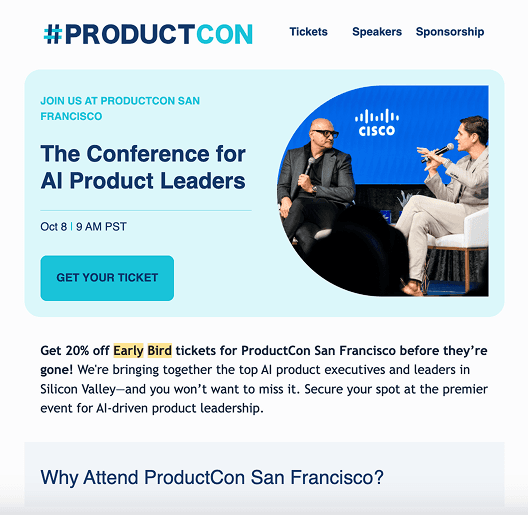
Offer early-bird or exclusive sign-ups: Boost engagement by giving registrants perks for signing up ahead of the event, such as backstage passes, VIP meet-and-greets, and discount pricing. Product School offers 20% to attendees who register a month before its flagship event, ProductCon.
2. Automate Pre-Event Outreach
When I was a BDR at a tech startup, I used to spend weeks crafting personalized event invites to leads. It took hours each day and was one of the dullest parts of my job.
These days, the legwork of researching contacts, figuring out their interests, and writing cold emails is often unnecessary. There are AI tools that can automate the pre-event outreach process.
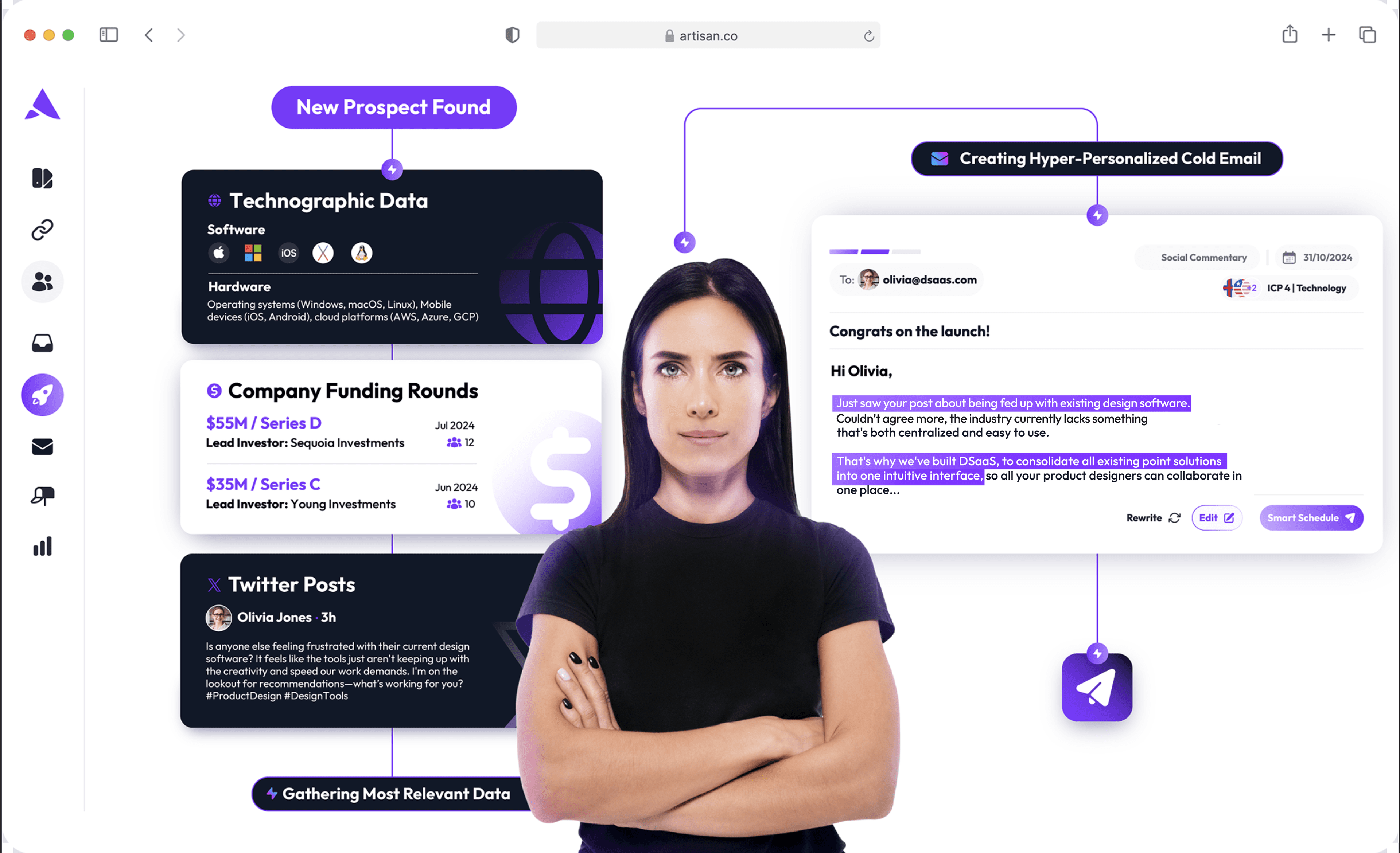
For example, Artisan’s AI BDR Ava can find ideal leads, research them across social media, and send them personalized, AI-generated messages via social media and email—generating registrations on autopilot.
Our sales team had to follow up with a long list of registrants. The goal was to remind them about the event and, if it was in person, try to secure time with them for a one-to-one meeting.
Automation tools can also handle this for you, sending messages to attendees days before the event takes place. You can also build automated email sequences that nurture leads and get them psyched for the event, reducing no-shows and warming them up for sales interactions.
Outreach automation scales pre-event outreach and allows sales reps to focus their attention on connecting with the highest-value accounts.
3. Optimize Registration and Landing Pages
A potential attendee has landed on your registration page. That means you’ve done most of the hard work. Don’t let a poor structure or blinding color scheme scare them off.
Here are five tips for optimizing your registration landing pages for conversions:
Focus on simplicity and clarity: Keep the page short, with plenty of white space, clear sentences, and a registration form that doesn’t overwhelm them with fields—capture only the information you need (usually this is an email address, name, and payment details).
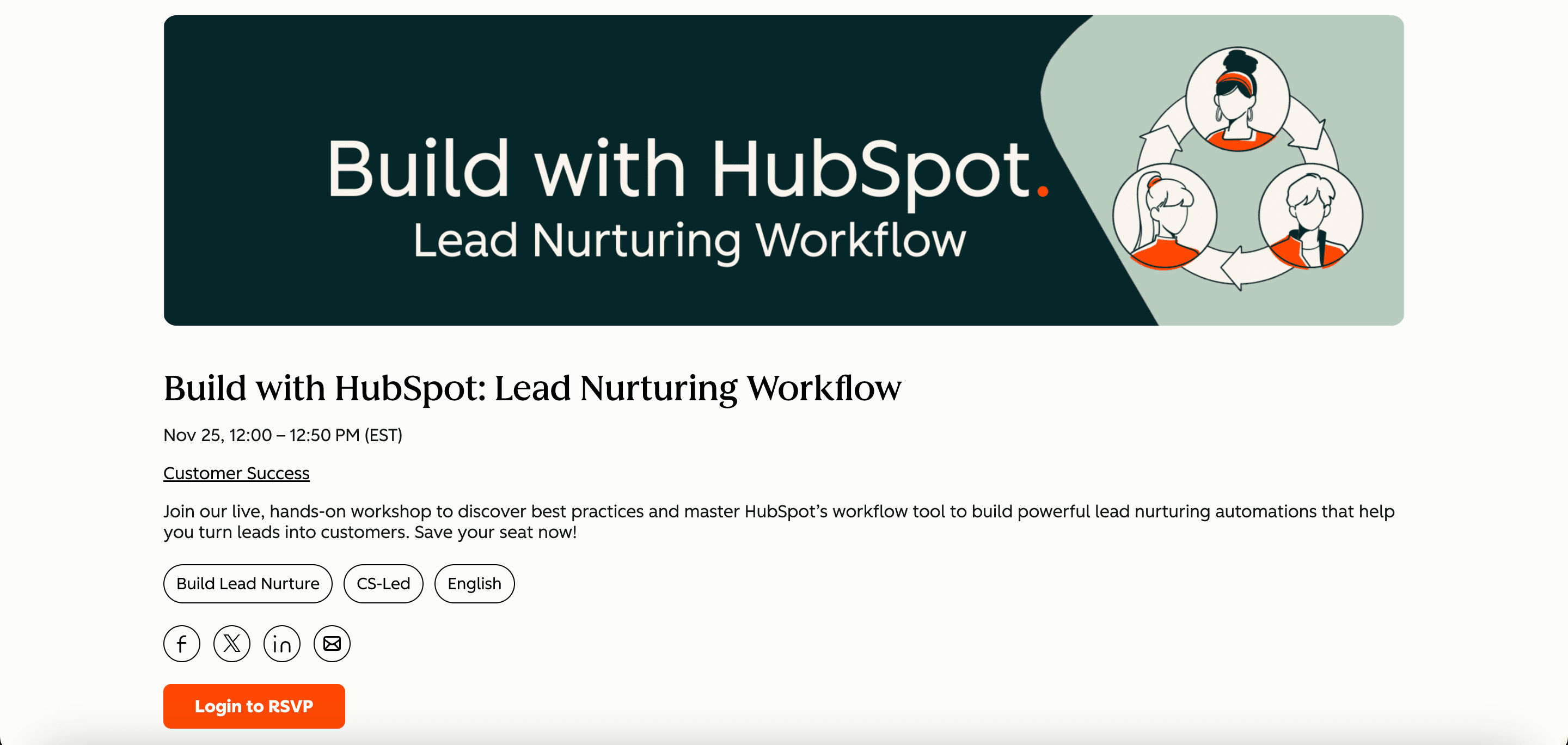
Highlight your value proposition: In a short paragraph or bullet points, remind potential attendees what value they’ll receive from attending your event. Notice how HubSpot, in one sentence, tells users why they should join a live workshop—they’ll learn how to automate lead nurturing.
Use a strong CTA: “Register Now,” “Join the List,” “Get the Early-Bird Discount”—these are examples of calls to action that tell the lead exactly what they’ll get if they click the button, thus reducing any hesitancy caused by confusion.
Include a CRM-integrated lead capture form: Make sure your lead form is connected to your CRM so a new lead or account record is created in your CRM whenever someone registers.
Consider using data enrichment tools: These automatically populate new CRM records with other data—like technographics or company revenue—to help you craft personalized event outreach.
Here’s an example of a great registration page —for Dreamforce 2026—that meets all of the above criteria:
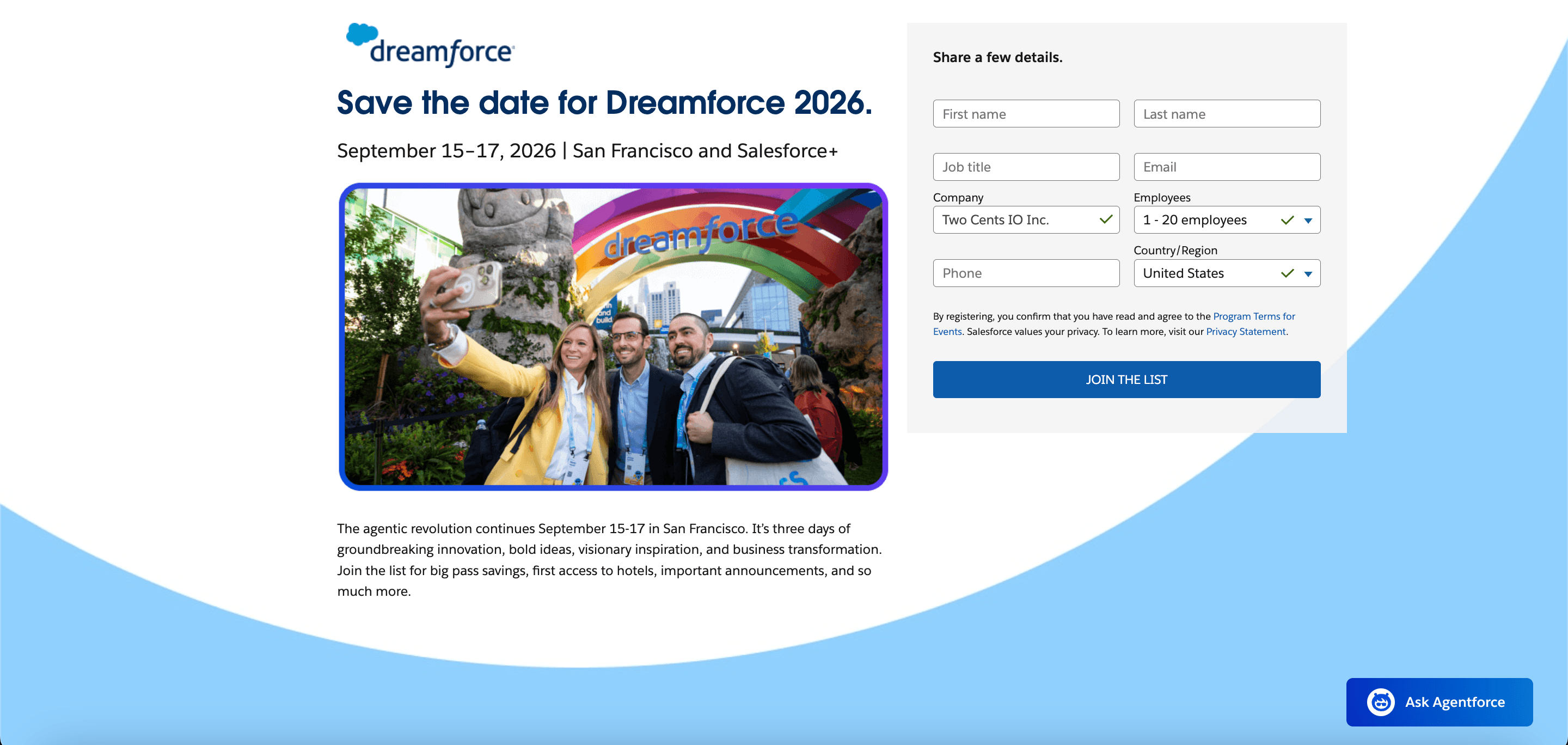
Salesforce's registration page gives us an excellent template to borrow:
Name of event
Date and location of the event
Photo of event (or past events)
One-paragraph description of the event focusing on what attendees will receive and experience
Short registration form on the right-hand side that’s limited to eight easy-to-fill fields
During the Event: Lead Capture and Experience Design
An attendee’s impression of your event determines how amenable they’ll be to your sales requests (both during the event and afterwards). This makes it essential to design a compelling experience, train your event staff fully, and bolster engagement in small ways throughout.
1. Create an Engaging On-Site Experience
An engaging on-site experience is beyond helpful for attracting ideal customers and ensuring they remember you when they see your follow-up emails. The best practices for creating these memorable experiences depend on which type of event you’re hosting.
For in-person events, follow these on-site best practices:
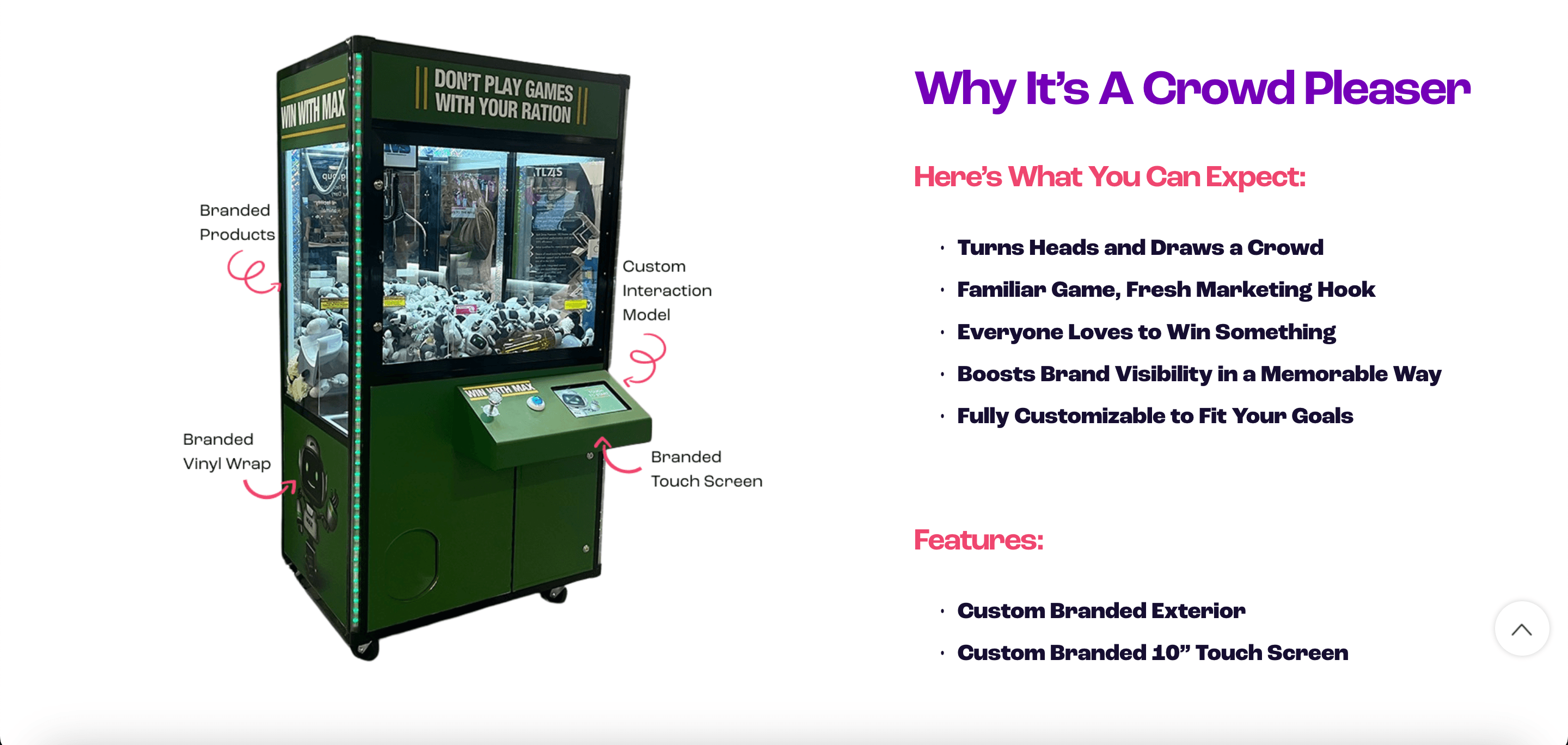
Booth setup: Design branded, open, and inviting spaces, with comfortable seating and an unexpected, fun attraction that draws people in—like this brandable claw machine from Trade Show Labs.
Live demos: Provide sales reps with tablets/iPads they can use to demo the software to potential customers. If the product is physical, consider running recurring scheduled demos every 15 minutes to draw in a crowd.
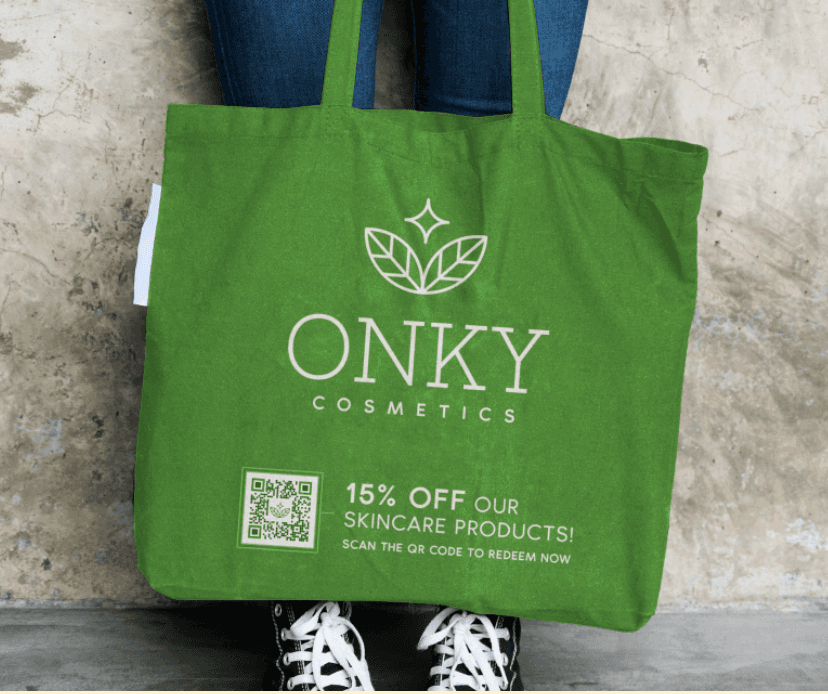
QR codes for instant sign-up: Place scannable QR codes on table tents, signage, and badges to automate lead generation at the event. You can even slap it on company swag, as Onky Cosmetics did with their bag.
There’s one principle you should always adhere to when designing event experiences: solve real problems for attendees. Andrii Shum of SeoProfy is a regular at SEO industry events and always keeps this in mind. For example, his team often offers a free, same-day SEO health check directly at event booths: “Instead of handing out brochures, we analyze their website on the spot and show two to three critical issues holding their rankings back.”
For virtual events, follow these best practices:
Interactive chat: Assign sales reps (or moderators) to actively engage with participants in a live chat widget, answering their questions or providing valuable commentary as the event unfolds.
Polls: Launch quick surveys to involve attendees and reinforce key points. This is also a great way to learn about your audience and helpful for future marketing initiatives.
Breakout rooms: Split large groups into small conference rooms to encourage more intimate networking and discussions. Also consider running group challenges.
If you’re running a hybrid event, be sure to stream key sessions for remote attendees. In addition, designate a team member to actively engage with streamers through a live chat window. This will ensure they feel included during the event and their questions are answered.
2. Incorporate Experiential Learning
According to 52% of the event organizers surveyed by Bizaboo, experiential learning is “very important” for improving attendee engagement.
It also boosts knowledge retention, which increases the likelihood attendees will act on the information you give them, see results, and associate your brand with those results.
Examples of experiential learning include:
Demo accounts: Sandbox environments where users can play with the software features
Case study breakouts: Sessions where attendees break into teams to solve a business problem under certain constraints (with a solution revealed afterwards)
Gamified learning experiences: Leaderboards and group challenges that encourage attendees to collaborate and put new knowledge to the test
3. Train Your Event Team
Selling at an event is different from selling on the phone. Training your event team on best practices is critical if they’re going to drive purchases and book meetings at the event.
Here’s what to focus on in your training:
Equip staff with talking points: For each major buyer persona you intend to meet at the event, tell staff which product features to highlight and which customer stories to tell.
Clarify lead qualification criteria: An event only lasts so long, so prioritization is key. Make sure reps know how to identify high-quality leads based on their decision-making power, needs, budget, industry, and other factors.
Provide reps with follow-up call scripts: Define the opening line, the most important pain points to mention, and a call to action. This way, reps can place calls with confidence and direction.
Train them on any tools they’ll use at the event: Show them how to log the conversation in the CRM or lead capture app. Have them do it in front of you as a test.
Also, remind the event team that while sales are important, building trust and camaraderie is the aim of first encounters with new prospects. Pushiness can scare them away. Make sure reps know to focus initially on learning about leads and their pain points.
Jon Quinton, founder of Overdrive Digital and leader of dozens of events, is a firm believer in a softer sales approach: “Just because someone came to an event or had a conversation, it doesn't mean they are ready to buy. For companies with extended and complex sales processes, an important step is remaining present and continuing to offer value. Avoid getting too 'salesy' too soon.”
4. Real-Time Engagement via Social Media
Assign a member of your event team—preferably a social media-savvy one—to post about the event as it's happening. This will create FOMO, drive log-ins if it’s virtual, and also provide value to audience members who weren’t able to attend.
Here are the best real-time social media engagement tactics:
Post live updates like speaker quotes and candid customer interactions.
Share attendee photos with hashtags on Instagram, Facebook, and LinkedIn.
Use LinkedIn Live and Stories to broadcast live from the event floor and increase reach.
Repost user-generated content like photos, insightful tweets, and video recordings.
Live tweet key takeaways and statistics from sessions and speeches.
Post-Event Follow-Up and Nurture
Once the event is over, it’s time to start booking sales meetings with attendees through intelligent follow-ups and segmented outreach workflows.
1. Follow the 48-Hour Follow-Up Rule
Send thank-you emails and personalized messages to your attendees within 48 hours. The intention here is to turn them from happy attendees into prospects. Pay special attention to personalizing emails to ideal customers, especially those you spoke with directly.
In your follow-up emails, include the following where possible:
A summary of a conversation you had with the recipient if you met them at the event.
Highlights of the event, such as key takeaways, lessons, and frameworks that the lead will find helpful.
Links to session recordings so leads can rewatch their favorite moments.
A call to action, such as “Want to Chat?” or "Schedule a free consultation.”
2. Automate Your Follow-Up Sequence
To streamline the follow-up process, use AI to personalize individual outreach messages. For example, Artisan, which is built around AI BDR Ava, can craft social media and email messages autonomously, based on lead information in your CRM.
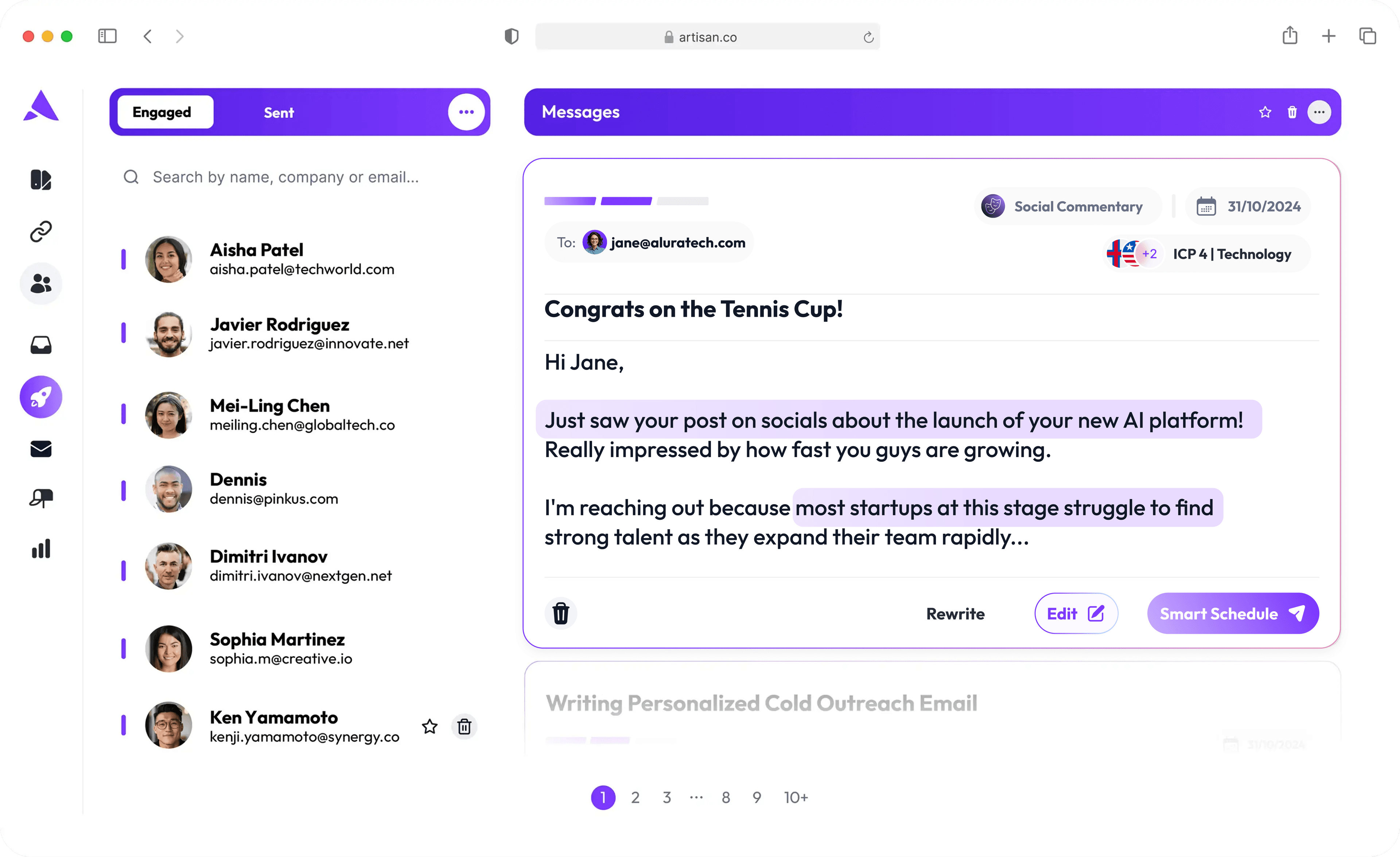
You can also use sales automation tools to create post-event drip campaigns. These are non-personalized sequences, sent to all attendees, designed to maintain engagement and provide value after the event has finished. You might, for example, send recordings of keynotes, supplementary PDFs, and interesting survey results.
3. Segment and Prioritize Leads
Create separate workflows for hot, warm, and cold leads. This will help your outbound sales team prioritize outreach.
For example, you might have your SDR team send immediate outreach to leads that directly pressed interest in your product, with a call to action for booking a meeting or attending a demo. Meanwhile, you could assign warm leads to marketing, who will run lead nurturing email sequences prior to hand-off to sales.
To identify hot vs. warm vs. cold leads, track the following lead data:
Engagement level data: Booth interaction depth, booth visit duration, materials downloaded, and demo requested or not
Fit indicators: Company size, buying authority, needs, existing tech stack, and budget signals
Intent signals: Expressions of urgency, specific use cases discussed, and mentions of competitors
Measuring Event Success and ROI
Overall ROI is the ultimate measure of the success of your event. But it’s not the only thing you should track. Secondary metrics are just as important. They tell you which parts of your event worked and which you need to reconsider in the future.
How to Calculate ROI and Optimize Next Events
Did your event efforts pay off? Calculating overall ROI gives you a definite answer to the question of whether or not an event is worth doing again.
Calculate your event’s ROI with this formula:
(Revenue From Event-Driven Deals - Total Event Cost / Total Event Cost) × 100
Revenue from event-driven deals means any revenue that resulted directly or indirectly from your event. Use CRM data to determine if closed deals were influenced by event attendance.
Total event cost includes costs associated with event promotion, software, booth rentals, vendors, and equipment.
Key Secondary Metrics to Track
Tracking metrics from pre-event promotion to post-event outreach gives you insight into what is and isn’t working in your event strategy.
Track the following metrics before, during, and after your event:
Pre-event: Registrations, event page traffic, recipient engagement with outreach, social media activity, registration page conversion rate, and form drop-off rate
During the event: Attendance, booth visits, live demos given, meetings scheduled, sales conversations held
Post-event: Meetings booked, pipeline value, closed deals, and new revenue
You can then use post-event analysis to improve the next event’s content, outreach, and automation.
Here’s how to prepare for future events:
Collect all performance data: Pull CRM reports, attendee surveys, and engagement metrics from your event management platform.
Run a team debrief: Discuss what worked and what didn’t, as well as where you overspent or underspent.
Analyze outreach and content: Identify top-performing sales and marketing content, messaging, and tactics.
Audit friction points and technology: Find process bottlenecks and manual tasks you can automate next time with new software or integrations.
Document takeaways: Update your event strategy playbook and jot down three concrete goals for the next event—such as “use outreach automation software for promotion” or “assign someone to engage attendees in live chat.”
Automate the Entire Event Workflow with Artisan
Artisan is an outbound AI sales platform that can identify ideal attendees, personalize outreach at scale, and run automated follow-up campaigns—all without human intervention.
Here’s how Artisan can help you turn your event into a sell-out success with its powerful AI and automation features.
Discover Ideal Attendees with Enriched Data
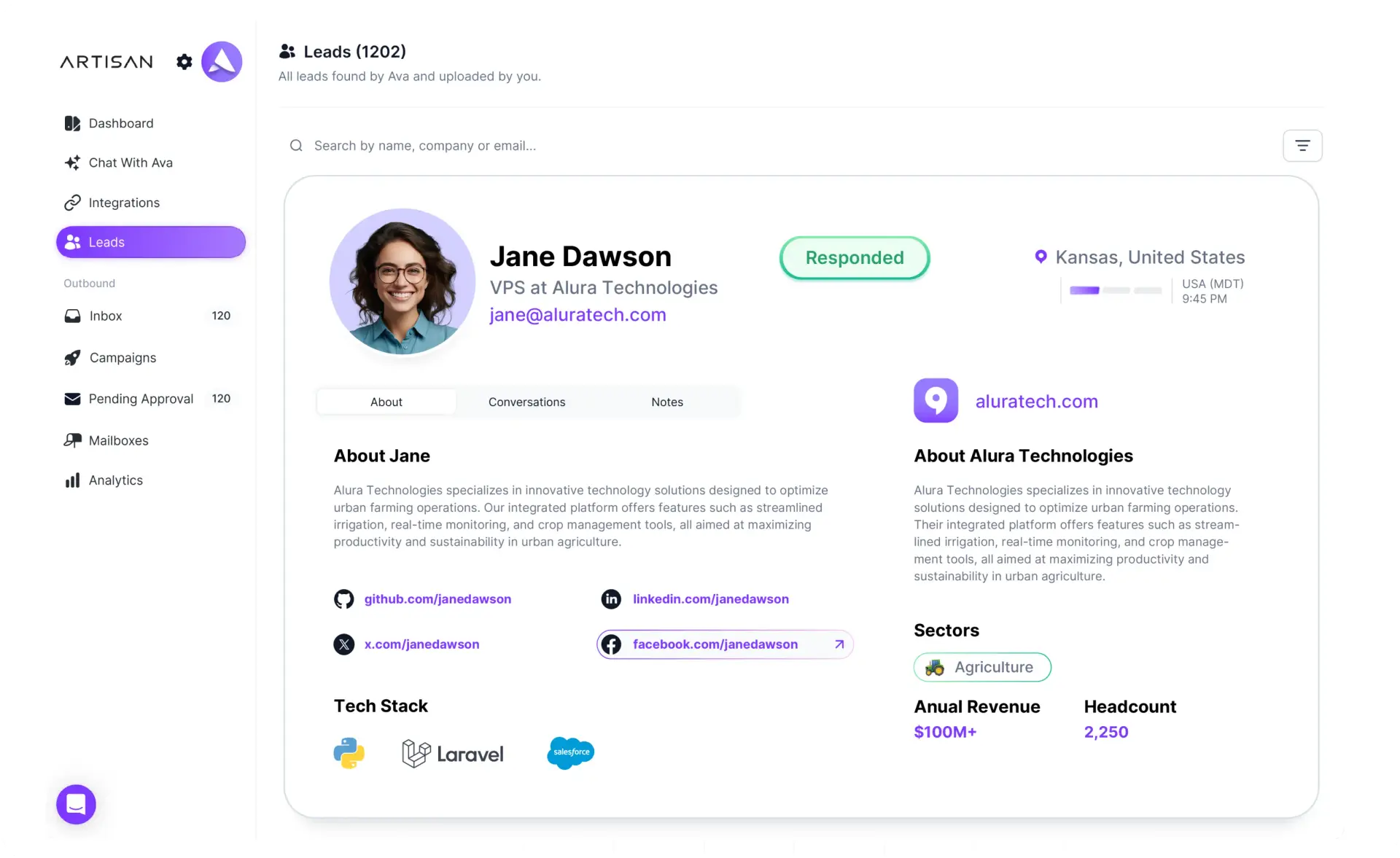
Artisan automatically searches an extensive database of B2B, local, and ecommerce leads to find ideal customers, uncover contact data and company information, and build targeted lists for outreach.
Personalize Event Promotion at Scale
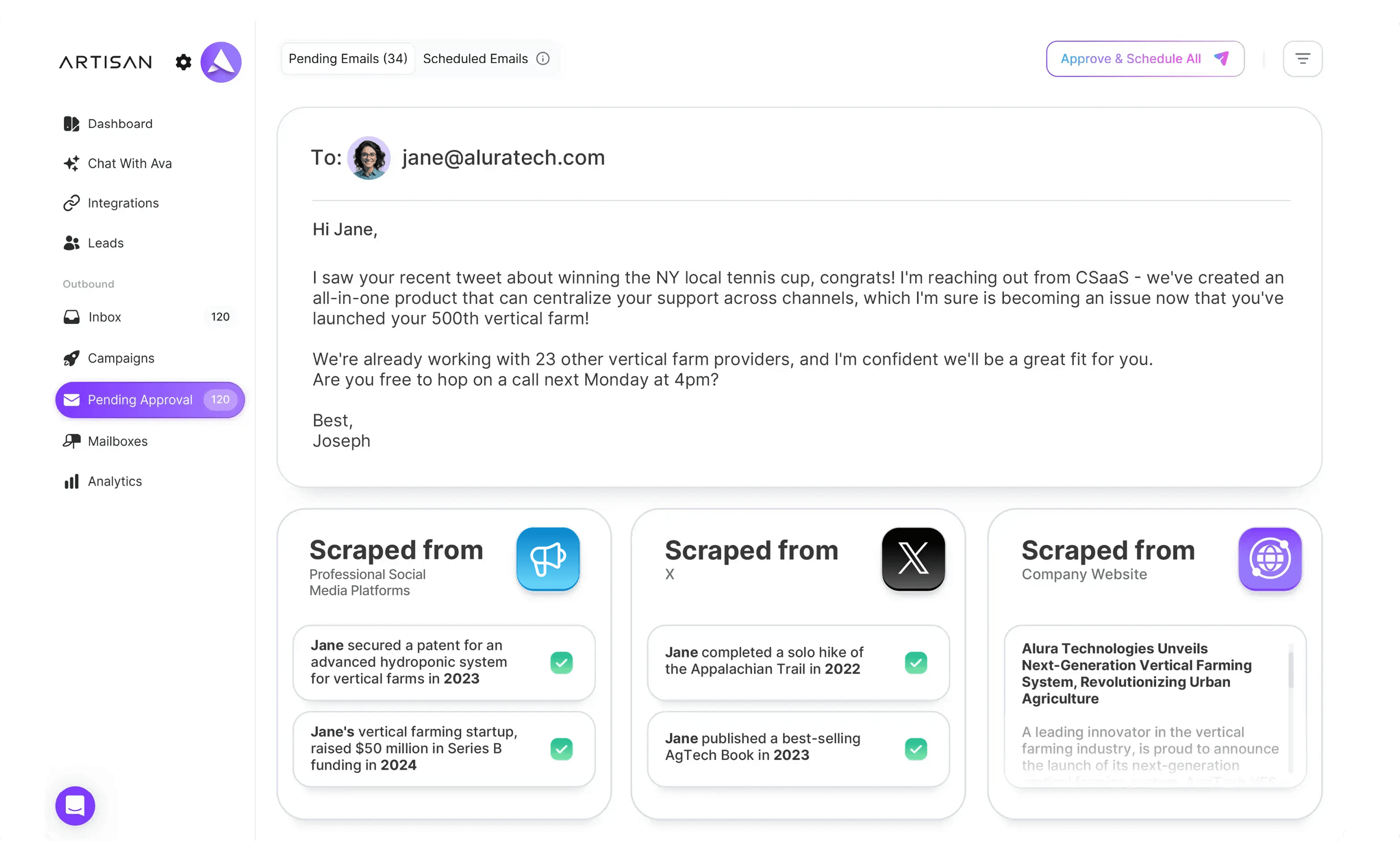
Ava—an autonomous AI BDR—is one of Artisan’s most powerful features. She sends personalized email invitations to leads based on behavioral and firmographic data, such as their recent social media activity and company news.
Automate Multi-Channel Follow-Up Sequences
Ava builds and delivers multi-channel sequences across social media and email, engaging potential attendees on autopilot and alerting reps when leads show interest.
Make Every Event a Sales Channel
Whether it’s a trade show or a webinar, your company event has one aim—to generate leads and impact revenue.
But a lot of work goes into planning a good event. Time is valuable, and resources are limited. That’s why organizers are increasingly turning to AI to help handle sales.
Artisan automates all of the early and middle stages of the cold outreach process. AI BDR Ava takes care of prospecting, email and social media message personalization, and delivery and follow-up without any human input. All of which means your team can focus on what they do best—creating an incredible event.