FMCG marketing 101: Strategies for growth
Learn how FMCG brands can use social media, loyalty programs, retail media, and AI-powered outreach to grow faster.
Traditional sales tactics just aren't cutting it anymore for FMCG brands.
What’s happening?
Well, quite a few things.
Your customers are still comparing prices to what they paid back in 2019 (despite all the inflation since then), you're competing against everyone from Procter & Gamble to some startup that went viral on TikTok last month, and younger consumers have very different priorities now.
You need to adapt your entire approach to match new consumer behaviors and preferences.
What Is FMCG Marketing, and Why Should You Care?
FMCG (fast-moving consumer goods) marketing is the set of strategies and techniques for promoting products that consumers buy frequently and use up quickly—toothpaste, snacks, household cleaners, beverages, and the like.
Why FMCG Needs Marketing
People need toothpaste, right? They'll buy it in all circumstances.
Well, yes and no.
The trick is in making them buy it from you, not Colgate—and that's significantly more difficult than it sounds.
Here's why FMCG brands can't survive without marketing:
The market is saturated
Walk into any large store and you'll see over a dozen toothpaste options. Without marketing, your product becomes invisible among the competition.
Consumers have no strong preferences
Most people can't tell you why they choose one dish soap over another. Marketing creates those preferences and builds the emotional connections that drive purchasing decisions.
Purchase decisions happen in seconds
FMCG buying is largely impulse-driven. Effective marketing ensures your brand is top of mind when customers reach for products on the shelf.
Customer retention is nonexistent
Unless you're top of mind. Marketing builds the familiarity and trust that brings them back to your product time after time.
Price wars destroy margins
Without strong brand marketing, you're left competing solely on price—a race to the bottom that kills profitability.
Designing an Effective FMCG Marketing Strategy
Let’s look at five essential tactics for FMCG brands, backed by practical tips and examples from top-performing companies.
Social Media Marketing
Social media has become the discovery engine for FMCG brands. While customers might not research laundry detergent for hours, they do scroll through TikTok and Instagram daily, where they encounter new products through friends, influencers, and viral content.
For FMCG brands, social media creates the familiarity that influences split-second purchase decisions later in stores. A clever TikTok video can make laundry detergent feel exciting or turn a simple snack into a must-have item.
To make social media marketing work, you need to match your content strategy to each platform:
TikTok: Create viral challenges around your product, partner with micro-influencers, and showcase creative uses for everyday items.
Instagram: Share visually appealing lifestyle content, behind-the-scenes manufacturing stories, and user-generated content (UGC).
Facebook: Build communities around shared interests, run targeted ads to specific demographics, and create discussion groups for brand enthusiasts.
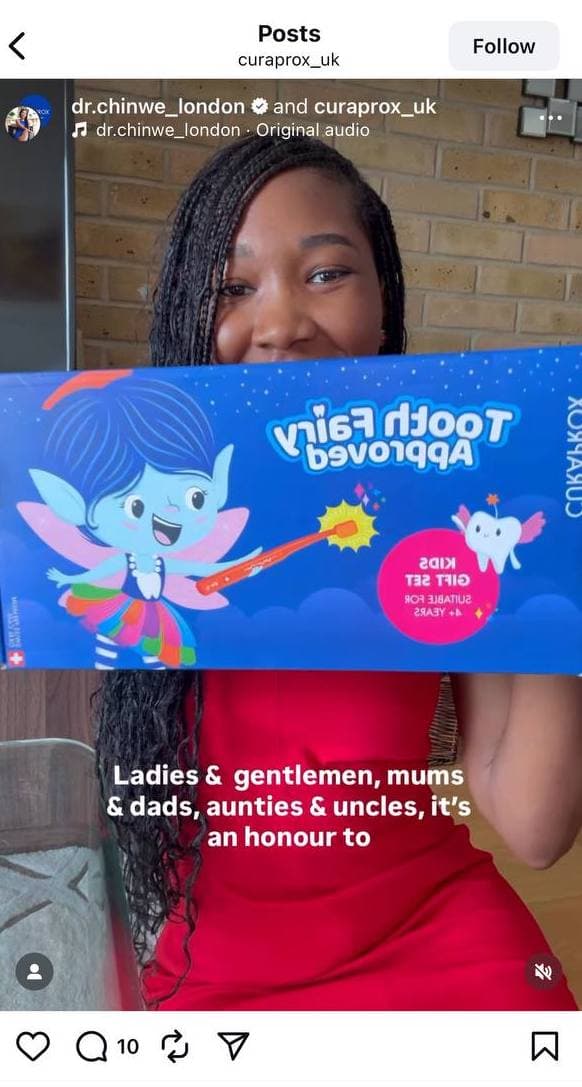
Example: Curaprox partnered with a dentist who created a UGC video reviewing their kids' toothbrush set. The dentist posted it on her own account first, then Curaprox shared it on theirs. This strategy works because it combines professional credibility with authentic user content.
Loyalty Programs
All FMCG brands share a similar challenge: customers buy frequently but often switch products without much thought. When someone needs dish soap, it’s not uncommon for them to grab whatever's on sale or closest to reach.
For FMCG specifically, loyalty programs transform routine purchases into rewarding experiences. They also generate valuable customer data that helps you understand buying patterns and personalize future offers, turning transactional relationships into ongoing partnerships.
To build effective loyalty programs, focus on making customers feel valued and rewarded with these tactics:
Tiered systems: Reward increased spending with more exclusive benefits as customers move up levels.
Points-based rewards: Let customers accumulate points over time that they can exchange for rewards.
Personalized offers: Use purchase data to send tailored discounts and product recommendations
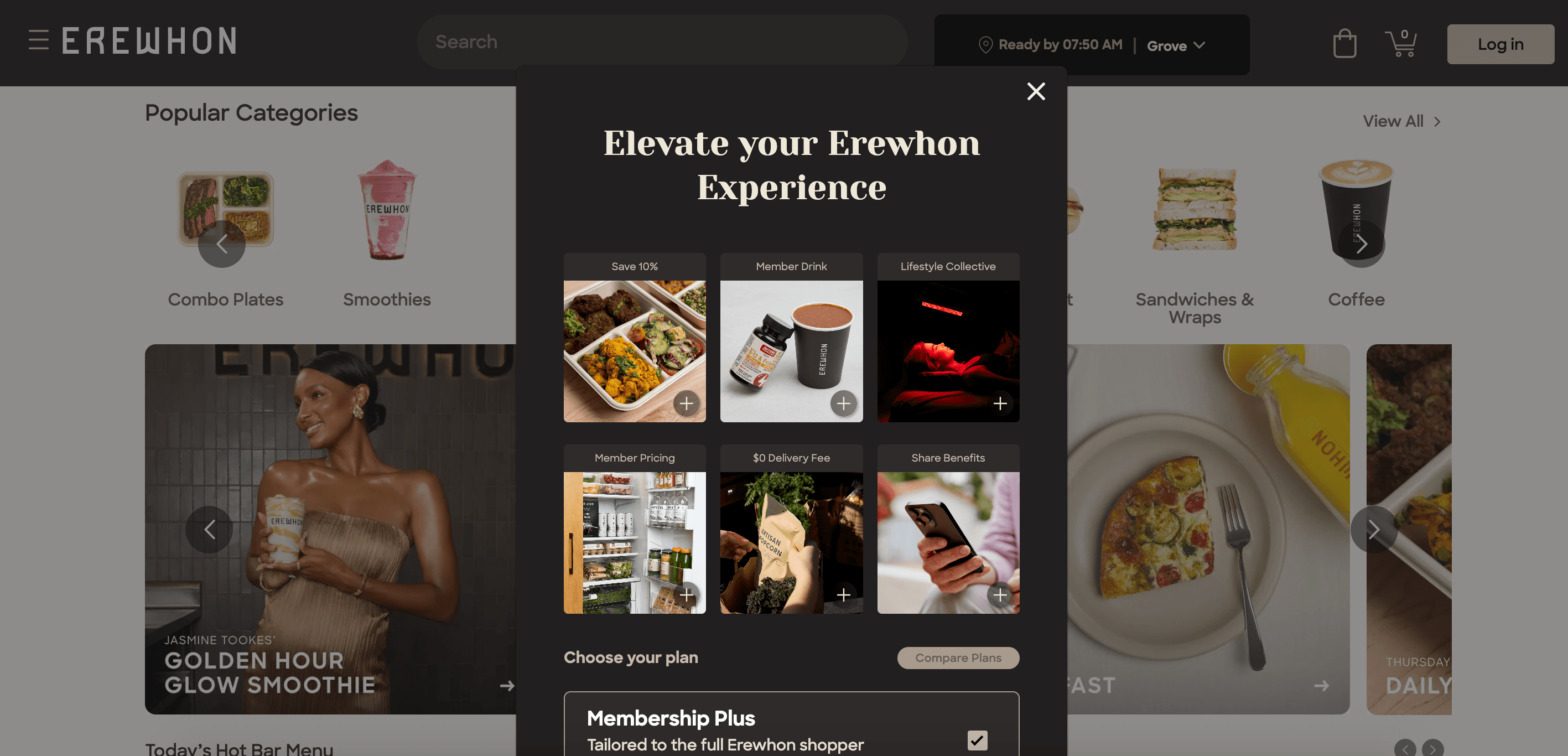
Example: Erewhon's membership program lets customers choose their benefits—whether that's exclusive discounts, a free drink monthly, or other perks that match their preferences. This flexibility makes customers feel valued while encouraging regular visits to see what else might be on offer to members.
Shopper Marketing
Customer loyalty might be tough to build, but your competitors struggle with the same problem. What works in your favor is that every shopping trip (or online browsing session) is a new opportunity to win.
FMCG brands thrive on in-the-moment decisions—capitalize on those impulse buying moments with timely campaigns.
Deploy the following impulse-buying tactics both in-store and online:
In-store: Strategic endcap displays, eye-catching signage, instant coupons, and promotional bundles
Digital storefronts: Optimized product placements on ecommerce sites, targeted ads in relevant product categories, and bundle offers
Checkout offers: Relevant cross-sells and upsells advertised on checkout and pre-checkout pages
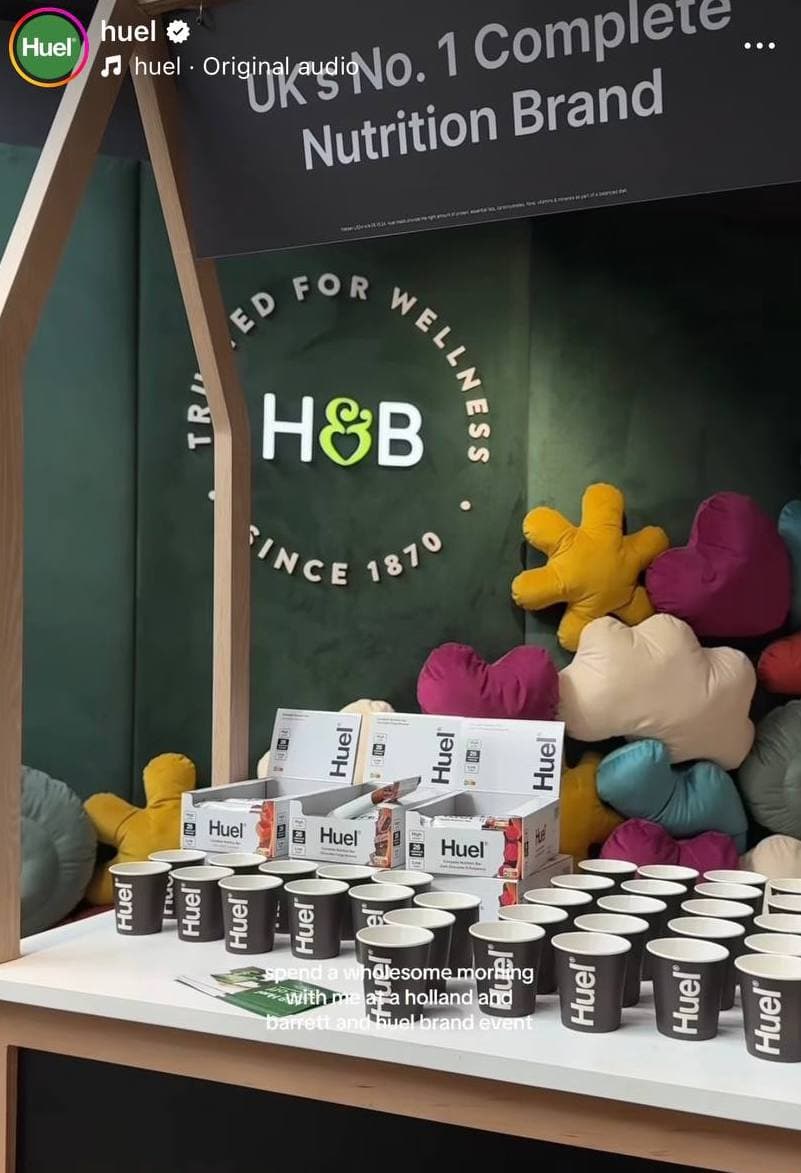
Example: Huel set up a stand in a grocery store where shoppers could try their ready-to-drink meals and bars. The display had clear branding and info about the products, making it easy for health-conscious shoppers to learn more and give it a go.
Retail Media
Retail media lets you advertise directly where customers are already shopping with purchase intent. When someone searches for "organic pasta sauce" on Amazon, for example, retail media ensures your product appears at the top of results.
To make the most of your ad budget, focus on high-intent placements and data-driven optimization:
Sponsored listings: Appear at the top of search results when customers look for your product category.
Homepage takeovers: Gain premium visibility during peak shopping periods like holidays or back-to-school seasons.
Retailer data insights: Use platform analytics to understand customer behavior and optimize your campaigns continuously.
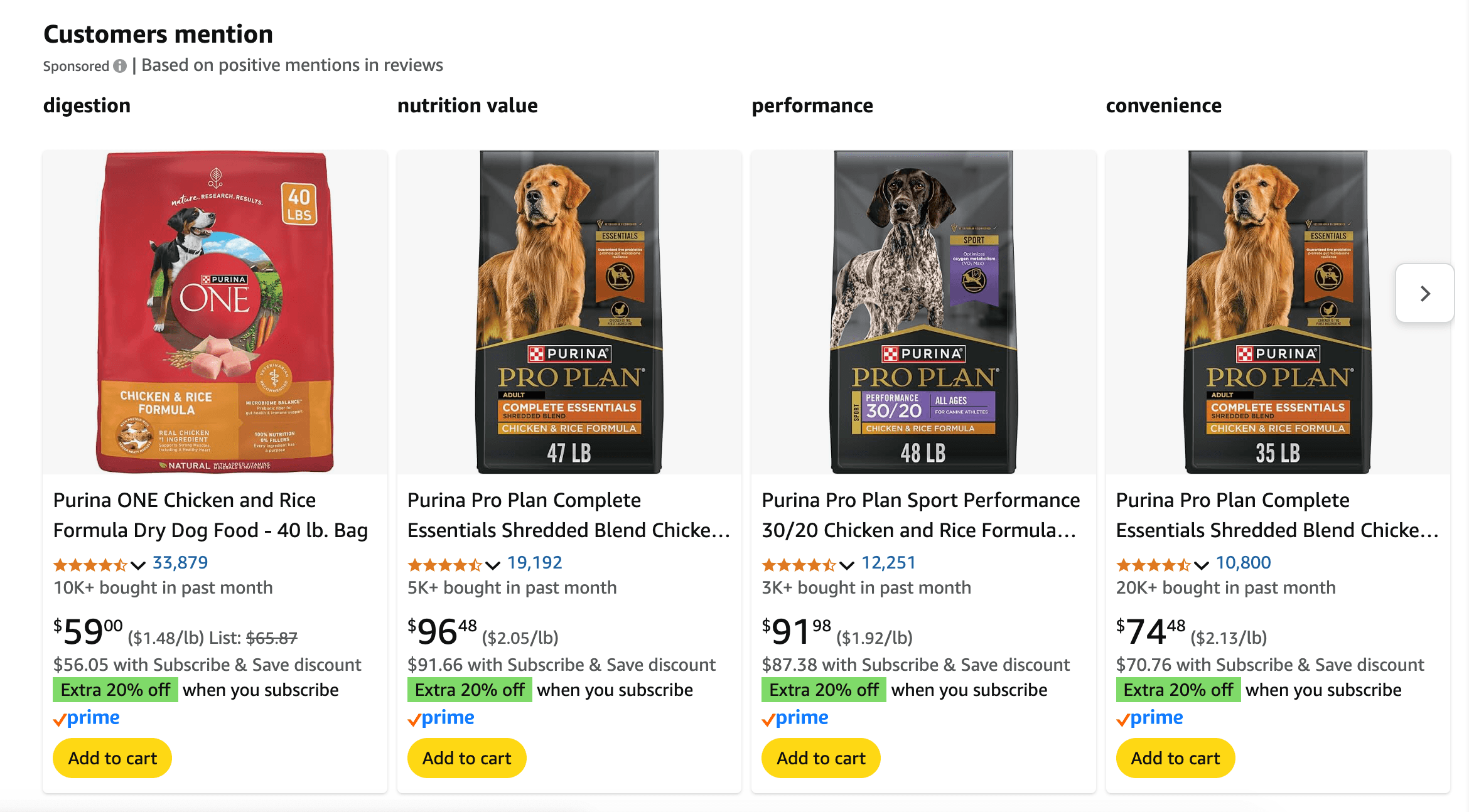
Example: Purelan dog food runs sponsored listings in Amazon's dog food category that highlight customer review-based recommendations. This builds trust while reaching shoppers actively searching for pet food.
Direct-to-Consumer (FMCG Direct)
The direct-to-consumer (D2C) model allows brands to bypass retailers for at least part of their sales. This way, they can capture high margins and own valuable customer data.
Going direct offers FMCG brands complete control over the customer experience, from first discovery through to repeat purchases, enabling personalized marketing that builds stronger loyalty than competing for attention on crowded retail shelves.
To succeed with D2C sales, lead with convenience and relationship building:
Subscription models: Set up automatic deliveries based on usage patterns (monthly toilet paper, weekly coffee pods) with easy pause/skip options and subscriber-only discounts.
E-commerce optimization: Implement one-click reordering for repeat purchases, offer same-day delivery in key markets, and create bundles that increase average order value.
Direct communication: Send replenishment reminders before customers run out, share exclusive recipes or usage tips, and offer early access to new flavors and products.
Data utilization: Track purchase frequency to predict when customers need refills, A/B test product recommendations, and create personalized starter packs for new customers.
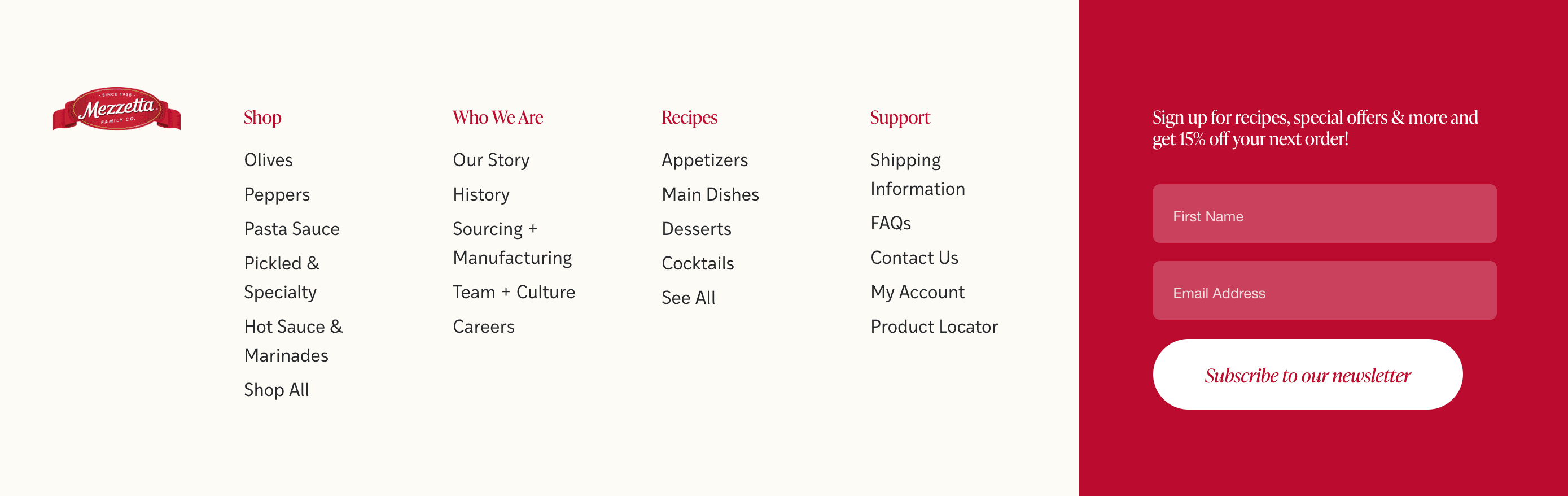
Example: Mezzetta sells their specialty Italian foods in grocery stores but also runs their own website. They get it—owning customer data is valuable, which is why they offer 15% off just for subscribing to their newsletter. It's a smart way to get people into their community and build direct relationships.
Where FMCG Marketing Is Headed (and How to Stay Ahead)
Now, let’s talk about what's driving the next wave of growth and how to position yourself ahead of the competition.
Sustainability and Ethical Marketing
According to Deloitte’s global survey of over 23,000 Gen Zs and millennials, 65% of Gen Z and 63% of millennials report that the environment is a major source of anxiety for them. Most importantly, these same consumers say they're willing to pay more for environmentally sustainable products and services.
As these demographics hit their prime purchasing power, FMCG brands need to integrate sustainability into their core strategy.
Right now, consumers are demanding:
Recyclable packaging that actually gets recycled
Cruelty-free cosmetics with transparent testing policies
Ethically sourced food with traceable supply chains
However, keep in mind that consumers have become sophisticated about sustainability claims. They research brands, read labels carefully, and will absolutely call out greenwashing on social media.
Do the following to make your environmental commitments visible and credible:
Switch to recyclable, biodegradable, or refillable packaging and make it a core part of your messaging.
Share exactly where your ingredients come from and how they're sourced.
Invest in certifications that consumers trust, such as Fair Trade, Organic, and B-Corp.
Show the real environmental impact of choosing your products over conventional alternatives.
Subscription-Based Everything
Millennials and Gen Z grew up with Netflix, Spotify, and Amazon Prime—so it's no surprise that subscriptions feel natural to them for everything, including everyday products.
The Replenish Economy: A Household Supply Deep Dive by PYMNTS Intelligence reveals that over 39% of millennials and 30% of Gen Z rely primarily on subscriptions for their day-to-day shopping needs.
Instead of remembering to buy toilet paper or running out of coffee, they prefer the convenience of automatic deliveries that anticipate their needs.
Consumers get convenience and never run out of essentials, while FMCG brands get predictable revenue streams, higher customer lifetime value, and valuable consumption data.
But…simply offering a subscription service isn't enough—you need to create an experience so seamless and valuable that customers actually want to commit long-term.
Here’s how to make a subscription program a success:
Optimize delivery timing suggestions based on actual consumption patterns.
Make it simple to skip deliveries, adjust quantities, or pause subscriptions without calling customer service.
Offer exclusive discounts, early access to new products, or subscriber-only varieties that make membership feel special.

Automate your outbound with an AI BDR
Meet Ava—your AI BDR who handles prospecting, outreach, and follow-ups, so your team can focus on closing.
Health and Wellness Focus
While Gen Zers and millennials make up just over a third (36%) of the adult population in the United States, McKinsey’s Future of Wellness survey reveals they drive more than 41% of annual wellness spending. And this number is only going to grow—the same report shows that one-third of the younger generation are prioritizing wellness “much more” than even one year ago.
Wellness topics are definitely having a moment. But what does this mean for FMCG companies?
People are starting to think of food as preventative medicine. They're paying more attention to how what they eat and drink affects how they feel, and FMCG brands need to account for this agenda when brainstorming new product lines.
Energy and gut health are currently the most sought-after benefits by wellness-focused consumers, but the full list of desired outcomes is extensive, as shown in the example from McKinsey below.
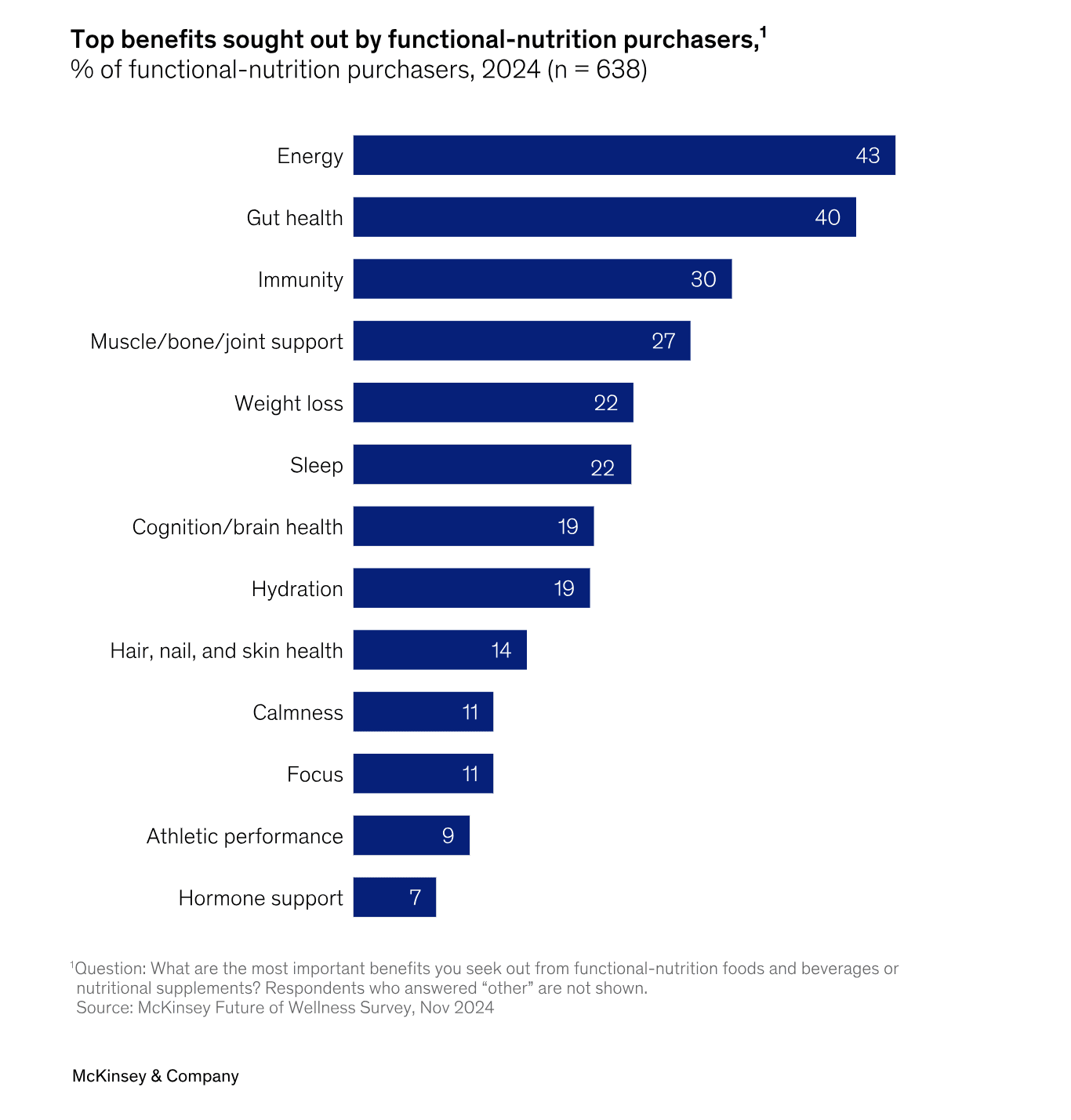
Cross-reference these consumer priorities with your brand's capabilities. Start by asking, “Which benefits can we emphasize in our next product line?”
When you have a product that delivers these benefits, you need a communication strategy with the following:
Clear labeling and packaging
Educational content marketing
Influencer partnerships
And whatever you’re doing, remember to keep health claims evidence-based and avoid overpromising.
Omnichannel and Hyperlocal Marketing
Although omnichannel isn't exactly groundbreaking news, it remains critical. So this is simply another reminder to embrace it if you haven’t already.
A customer might discover your product on Instagram, research it on your website, check reviews on Amazon, and finally buy it at their local grocery store. And they'll be genuinely surprised if this journey isn't connected and seamless.
This common multi-channel browsing behavior is illustrated perfectly in the table below, taken from Salsify’s Consumer Research report.
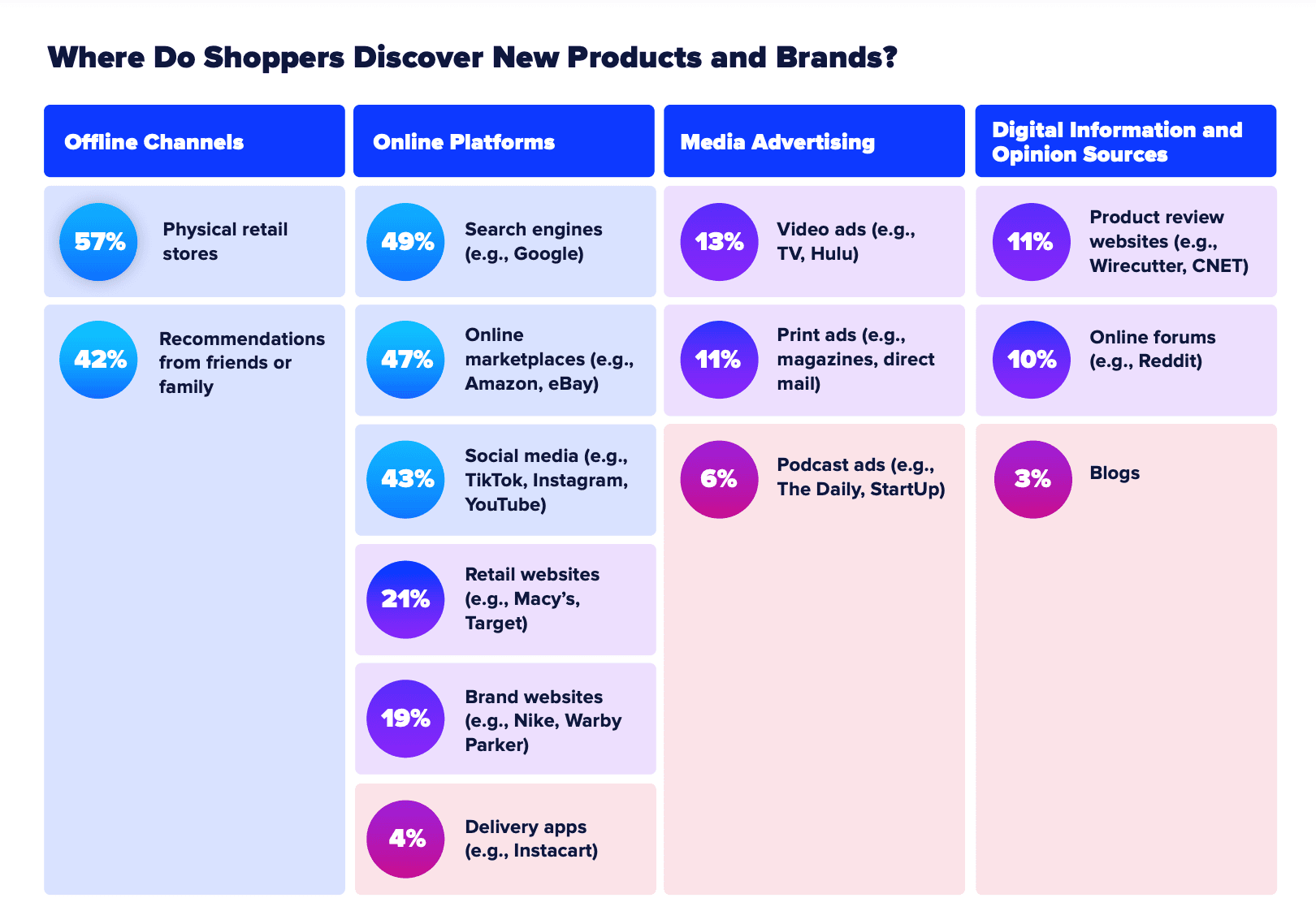
Omnichannel success in retail really comes down to making sure customers don't feel jarred when they move between your online and physical presence.
In addition, retail marketing and sales is becoming increasingly hyperlocal. Hyperlocal marketing means tailoring your approach based on specific regions, seasons, neighborhoods, and even individual store locations. It recognizes that sunscreen sells differently in Miami versus Minneapolis, that back-to-school timing varies by region, and that urban consumers have different needs than suburban ones.
Hyperlocal marketing involves the following components:
Optimizing for “near-me” queries
Running geo-targeted ads serving different creatives based on local weather, events, or regional preferences across all your channels
Ensuring your digital campaigns promote products that are actually available in nearby stores
AI, Data, and Personalization
AI is democratizing data and personalization for FMCG brands—and consumers are surprisingly open to it.
Recent data by Qualtrics shows that 61% of consumers have interacted with AI at least once in the past 30 days. Of those who use AI, 49% interact with AI chatbots, and 63% of AI adopters would feel comfortable using AI to check the status of an order.
AI is here to stay, and consumer acceptance is only growing. This opens up opportunities across your entire FMCG operation—from how you serve customers to how you run your business behind the scenes using ecommerce-tailored AI agents.
Here's where you can start putting AI to work:
AI chatbots that handle order status and product questions and make recommendations around the clock
Automatic reorder reminders based on how quickly customers use your products
Product recommendations that get smarter as customers browse and buy
Demand forecasting that predicts what'll sell so you can optimize inventory management and avoid stockouts
Dynamic pricing based on demand, competition, and what you have in stock
If you want to go beyond one-off sales and build a sustainable demand generation strategy, use an AI automation platform like Artisan. AI sales rep Ava engages potential retailers and distributors, qualifies leads, and handles hyperpersonalized outreach automatically.

Rise of Retail Media Networks
Retail media ad spending has been growing steadily year on year. FMCG products are heavily represented among brands using this advertising method, with 37% of grocery brands and 23% of convenience item brands advertising through retail media networks, according to Dentsu's Retail Media Industry report.
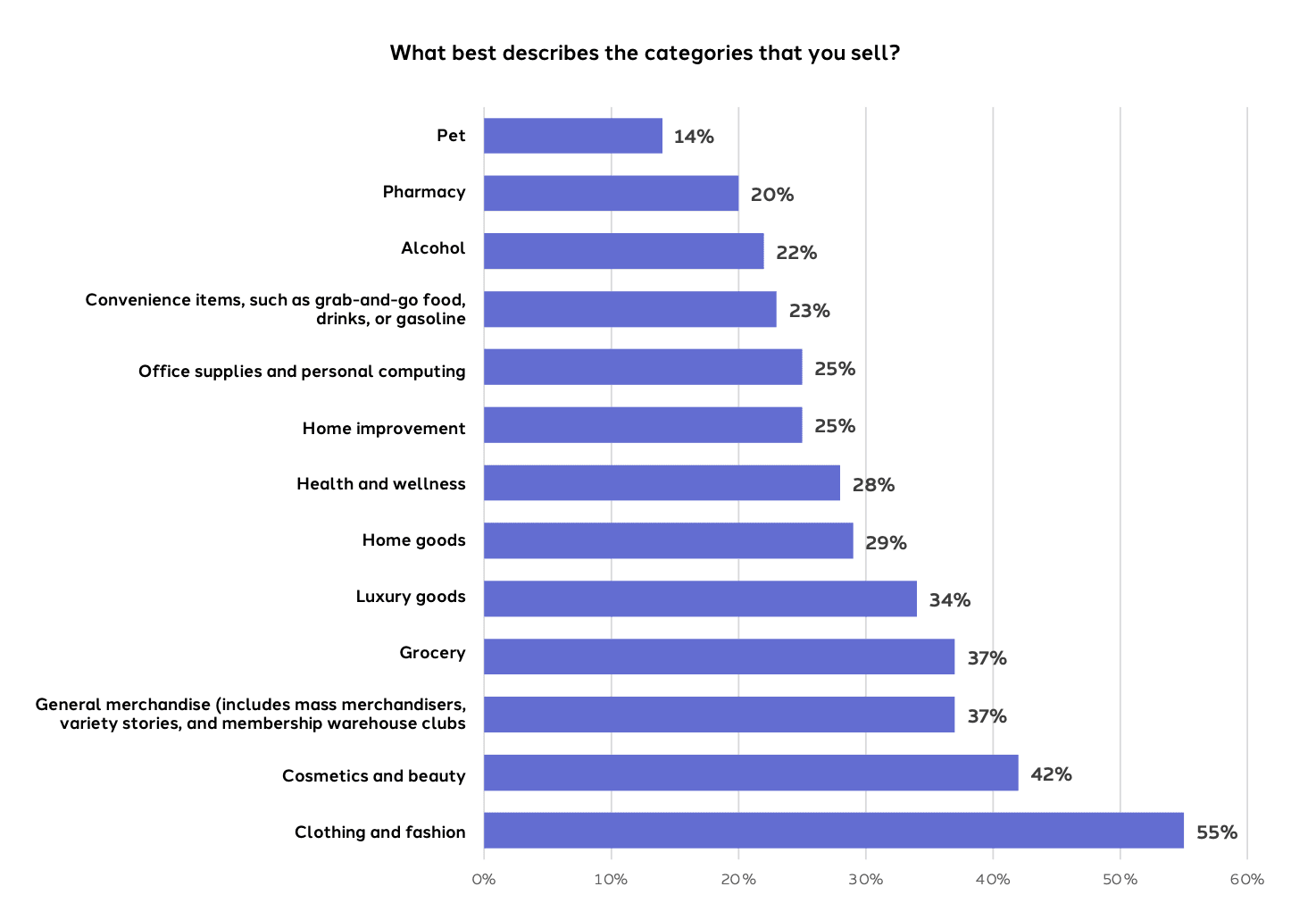
What makes retail media so lucrative for FMCG brands?
For one, the data advantage is huge. Retailers know exactly what people buy, when they buy it, and what they looked at but didn't purchase. This means you can target ads at people who bought competing products last month or those who frequently shop in your category.
To begin with, look at your current sales data to see which retailers drive the most volume for your products. That's usually your best starting point for retail media investment. Each platform has different tools, audience data, and ad formats, so it's best to learn one well before juggling multiple.
Your New Secret Weapon: AI Outbound Outreach
Most FMCG brands haven't considered AI-powered outbound outreach. However, if you want to go beyond one-off sales and reach more retailers and distributors, an AI platform like Artisan can be your secret weapon.
Here’s an overview of what Artisan—and AI BDR Ava—does:
Finds and researches leads: Ava has access to a rich database of over 300 million B2B, e-commerce and local leads, and she'll source the ones that match your ideal distributor and retailer profiles.
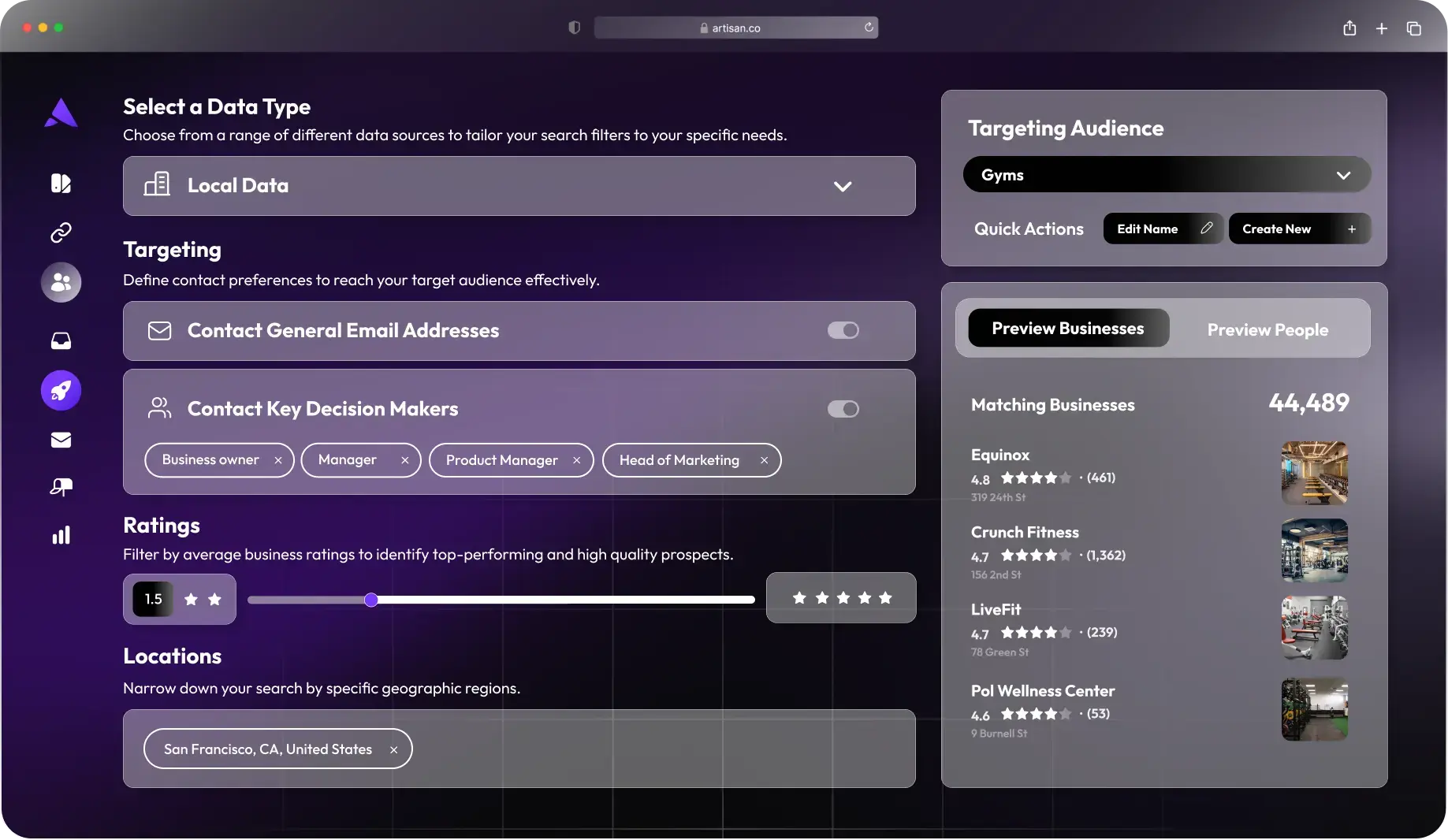
Sends personalized emails: She gathers data from hundreds of sources on each lead and creates hyper-personalized messages
Automates follow-ups and campaigns: She runs fully automated outreach across multiple channels to bring you potential partners or leads that are ready to talk.
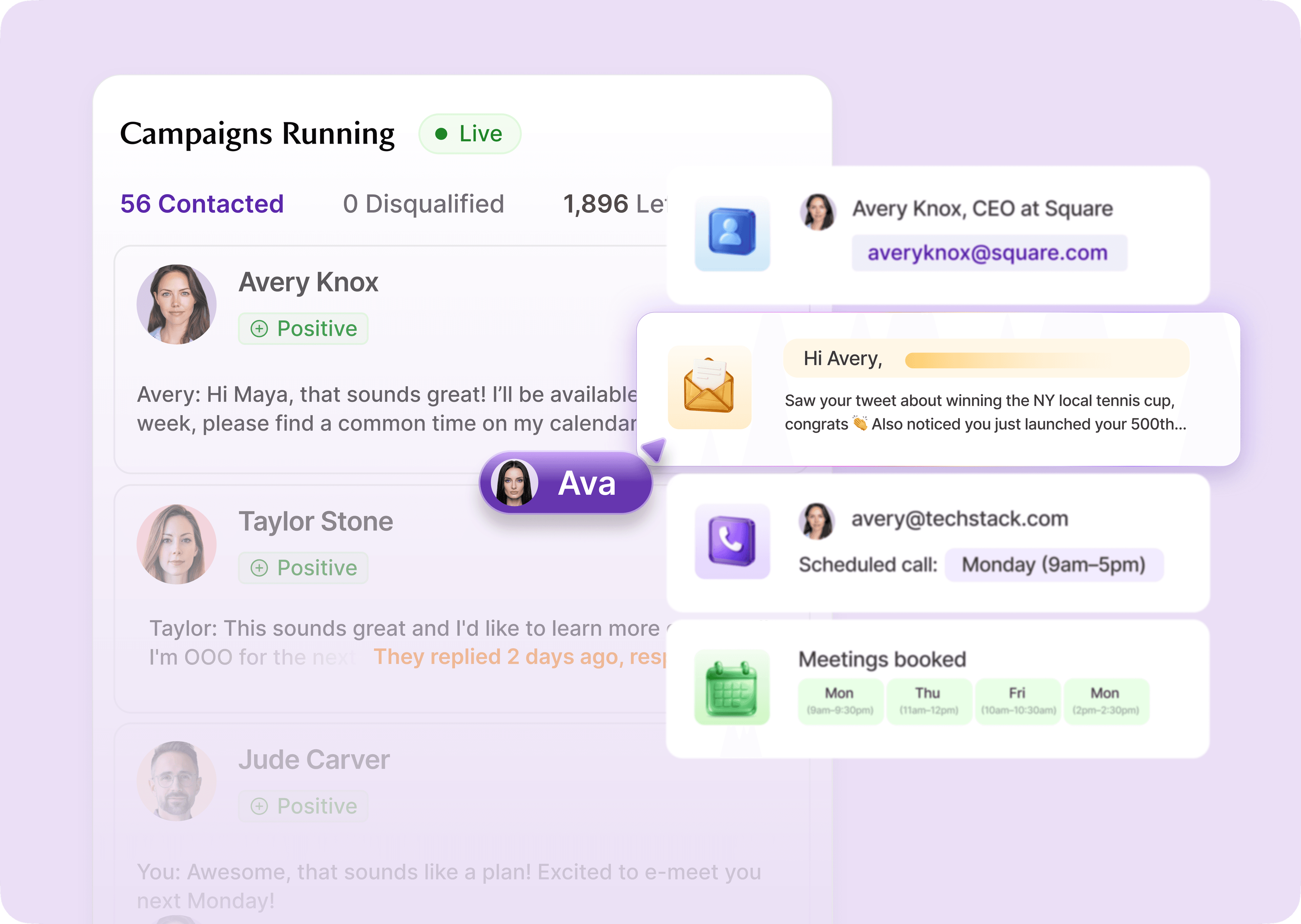
With Ava, you can scale outreach to retail buyers and distributors without lifting a finger. Just tell Ava what your ideal buyers look like, and she'll deliver warmed-up leads ready to continue the conversation.
Stay Sharp, Stay Bold, Stay in the Cart
Standing out on increasingly crowded shelves—both physical and digital—requires leaning into new strategies, experimenting boldly, and putting customer experience at the center of everything you do.
A tool like Artisan—powered by AI BDR Ava—gives you everything you need to reach new retailers and distributors at scale and on autopilot. This frees you up to focus on the important strategic tasks of developing, testing, and refining your growth strategy.
Automate your outbound with an AI BDR
Meet Ava—your AI BDR who handles prospecting, outreach, and follow-ups, so your team can focus on closing.

Adelina Karpenkova
SME @ Artisan
Adelina Karpenkova is a writer helping businesses tap into AI's potential and clear up misconceptions. She works with B2B teams on latest industry knowledge.