7 best B2B website visitor identification tools
Find out which tools actually identify anonymous B2B website visitors and help your sales team act fast with real-time data, integrations, and intent signals.
Website visitor identification sounds straightforward until you try to do it.
It’s not uncommon to implement an identification tool and be flooded with company names—some accurate, some not. And even if you manage to filter down to qualified accounts, you still need to export lists, find decision-makers, and write outreach before intent goes cold.
To help you overcome this issue, we’ve reviewed seven visitor identification tools that offer quality data and make it easy to act on it.
But first, let's cover how these tools work and the different ways teams use them.
How B2B website visitor identification works
Website visitor identification connects the dots between IP addresses, third-party databases, and decision-maker contact information to show you exactly which companies are engaging with your content.
But how exactly does it work?
From website visit to identified company
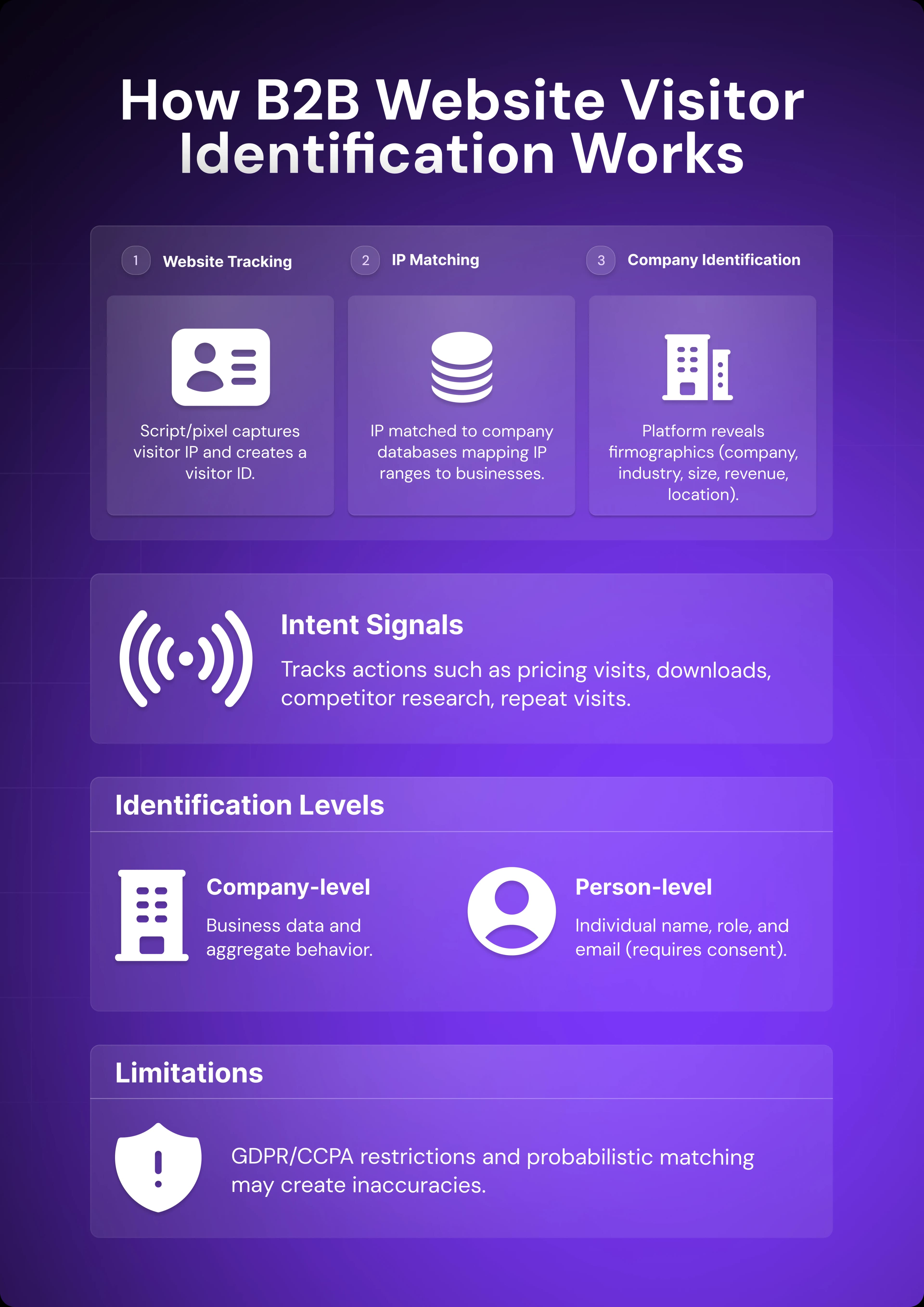
The identification process starts with three technical steps that happen in seconds: IP tracking, company matching, and profile enrichment.
1. Script or pixel installation on the website.
You add a tracking code to your site pages (similar to Google Analytics). When someone lands on your site, the script captures an anonymous website visitor’s IP address and creates a unique visitor ID. This runs in the background while prospects browse your content.
2. IP address matching and visitor ID creation.
The tool takes that IP address and runs it against business databases that map IP ranges to specific companies. These databases contain millions of company records with their assigned IP blocks. The match happens in real-time as visitors navigate your site.
3. Real-time surfacing of company name and website visits.
The tool pulls firmographic data, including company name, industry, employee count, revenue, and location. Within seconds, you see which company is browsing your site.
Modern platforms also layer in intent data on top of basic identification. They track whether prospects:
Researched competitors or alternatives
Downloaded whitepapers or case studies
Spent time on pricing or product pages
Returned multiple times in a short window
Some systems stop here and provide only company-level data. Others go deeper to surface individual contacts.
Company-level vs. person-level identification
Company-level identification tells you the businesses that visitors to your site work for. You receive firmographic details like company size, location, industry, and revenue range. You also see aggregate behavior—how many people from that company visited, which pages they viewed, and how often they returned.
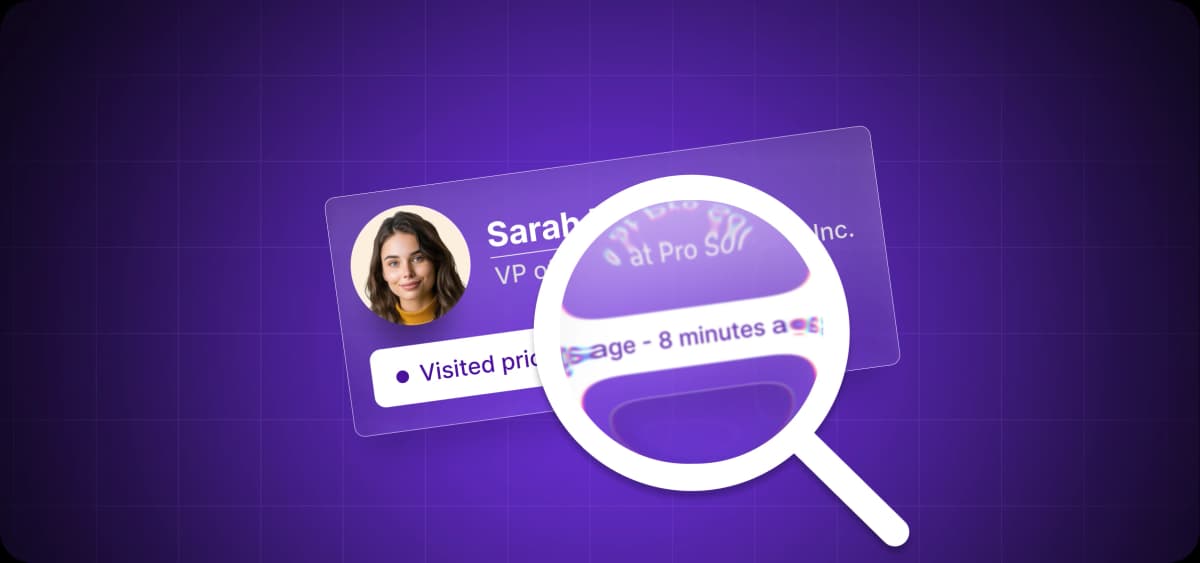
Person-level identification surfaces individual names, job titles, email addresses, and LinkedIn profiles. Instead of knowing "Salesforce visited your site," you learn "Sarah Chen, VP of Sales at Salesforce, spent 8 minutes on your case studies page."
While person-level identification sounds like a no-brainer, it does come with limitations. It’s also much more innacurate than company-level identification.
Privacy regulations like GDPR and CCPA require explicit consent to identify individuals. Without it, you're stuck with company-level data from IP matching.
Some tools identify anonymous visitors using probabilistic matching. They combine behavioral signals and third-party data to guess who's visiting based on device type, browsing patterns, and known contacts at the company.
When the data is good, this works. When it's not (and it’s often not), you get false positives and compliance headaches.
What data you get from website visitor identification tools
Visitor identification tools usually give you two types of data—they tell you who's visiting (at the company level) and what they're doing. Some also layer in third-party intent data that shows what prospects are researching across the web beyond your site.
Core visitor data points
A typical visitor identification tool gives you basic firmographic and behavioral data automatically.
The following data points are usually provided:
Company name and website
Employee count and revenue range
Industry and location
Technology stack (for some tools)
Which pages employees viewed
How long employees stayed on each page
Number of return visits
This gives you enough information to filter for accounts that match your ideal customer profile and understand basic engagement patterns.
High-intent signals that matter most
Some visitor tracking and identification systems, like Artisan, also offer intent data. This requires more sophisticated tracking and third-party data integration.
Basic visitor identification shows you what happened on your website. Visitor identification with intent signals layered in shows you what prospects are doing on your site and across the entire web, which helps you spot accounts actively researching solutions like yours.
Here’s a rundown of the most common on- and off-site intent signals:
Pricing and integration page visits
Multiple return visits in a short timeframe
Comparison page views
Content downloads
Visits to feature pages
Third-party intent signals such as reading industry reports and searching for competitor solutions
Job postings indicating they're hiring for roles that need your product
These signals are incredibly useful for marketing. They help you prioritize which accounts to reach out to and when.
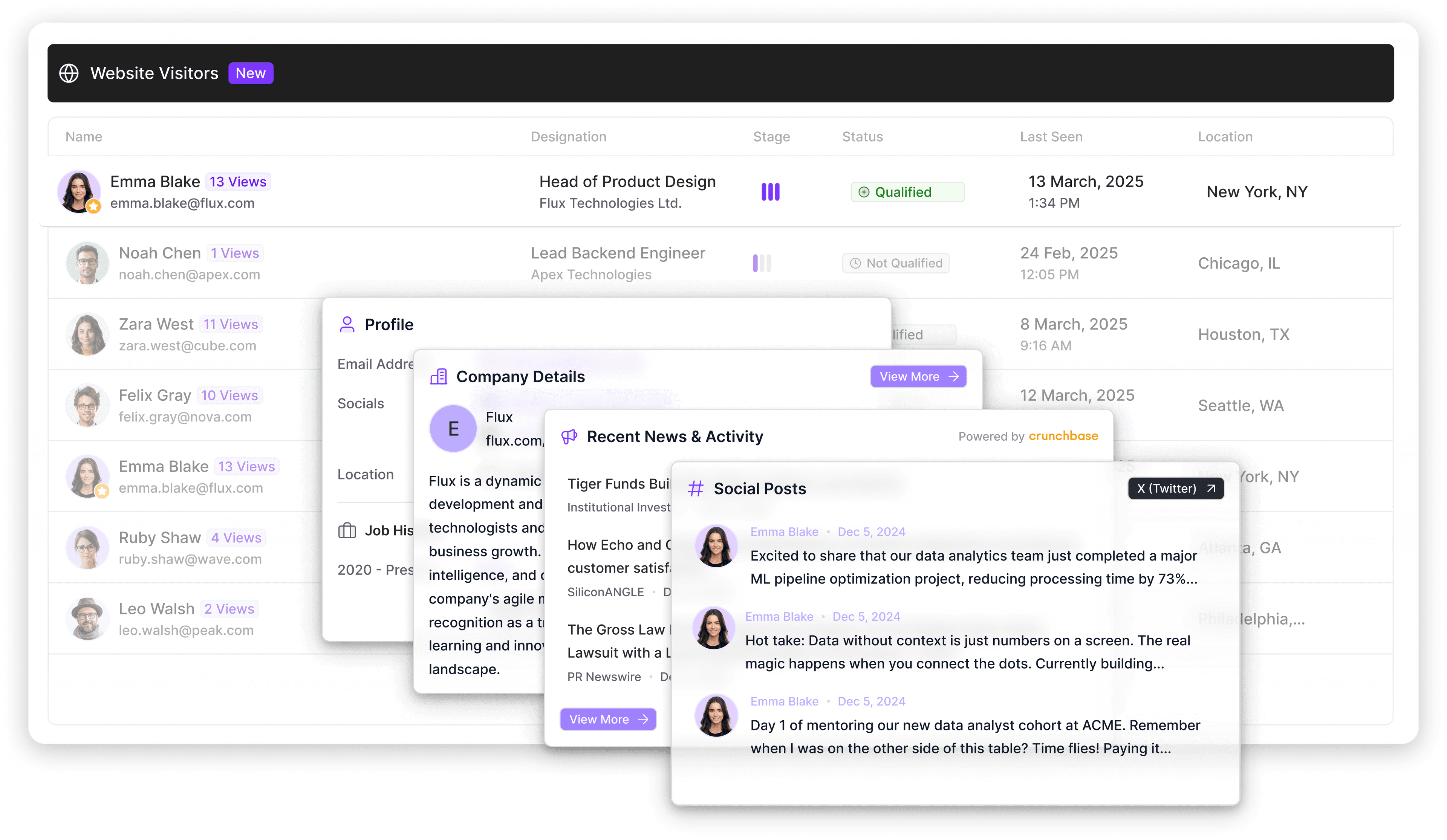
Artisan is an all-in-one outreach tool that combines website visitor tracking with fully automated lead prioritization and outreach. The platform is built around AI BDR Ava, a fully autonomous AI sales rep who scales your sales outreach without adding headcount.
How sales teams use visitor identification to drive outreach
Visitor data is only valuable when you act on it. It becomes even more valuable when you act at scale. That’s why sales teams are increasingly automating account prioritization and outreach campaigns based on real intent signals.
Prioritizing high-value and qualified leads
Visitor identification helps teams filter data and focus on accounts that match their ideal customer profiles (ICPs).
Seeing every company that visits your site is interesting, but most of that traffic won't convert.
The best tools let you set filters based on firmographics and behavioral data and narrow by company size, industry, revenue range, location, and specific actions like pricing page visits or repeat engagement. The more granular the filtering, the better.
When you layer in lead scoring that combines ICP match with intent signals, sales reps can act on a prioritized list of accounts right away.
Turning High-Intent Visitors Into Outreach
As high-intent accounts are surfaced, they should be flowing into an automated outreach workflow.
This can happen in two ways: through all-in-one platforms like Artisan that handle both identification and outreach or by integrating your visitor tracking tool with a sales engagement platform to sync leads automatically.
Some teams set up alerts for top-tier opportunities alongside outreach automation. When a strategic enterprise account shows activity, senior reps get pinged in Slack or their CRM and send personal outreach. For the majority of qualified visitors, however, reps tend to rely on automated sequences to handle the initial contact while intent is fresh.
How marketing teams use website visitor identification
Sales teams aren't the only ones benefiting from visitor identification. Marketing teams use the same data to measure campaign performance, optimize spend, and run targeted campaigns based on account engagement.
Measuring campaign impact beyond form fills
With visitor identification, marketers can see which companies came from paid ads, organic search, email campaigns, and so on—even if they didn't take any action that can be used for attribution (e.g., filling out a form).
When integrated with your CRM, this data connects campaign sources to pipeline outcomes. You can trace which marketing channels brought in accounts that eventually closed.
So if a channel doesn't drive large quantities of traffic or form fills but consistently brings in high-value accounts that close, you know it's working.
Retargeting and demand generation use cases
Visitor identification tools let you export account lists and feed them directly into LinkedIn or display ad platforms for retargeting.
Of course, you could do basic retargeting with a tracking pixel, but visitor identification gives you control over who you're targeting.
A pixel retargets anyone who has hit your site—including competitors, job seekers, and unqualified traffic. Visitor identification lets you filter by company size, industry, and firmographics before building your retargeting audience.
In this way, you only spend ad budget on accounts that match your ICP and show buying intent.
7 best B2B website visitor identification tools
Need all-in-one outbound automation or just visitor tracking? Selling mainly in the US or Europe? Running ABM or personalized outreach? We've covered tools for every use case.
1. Artisan
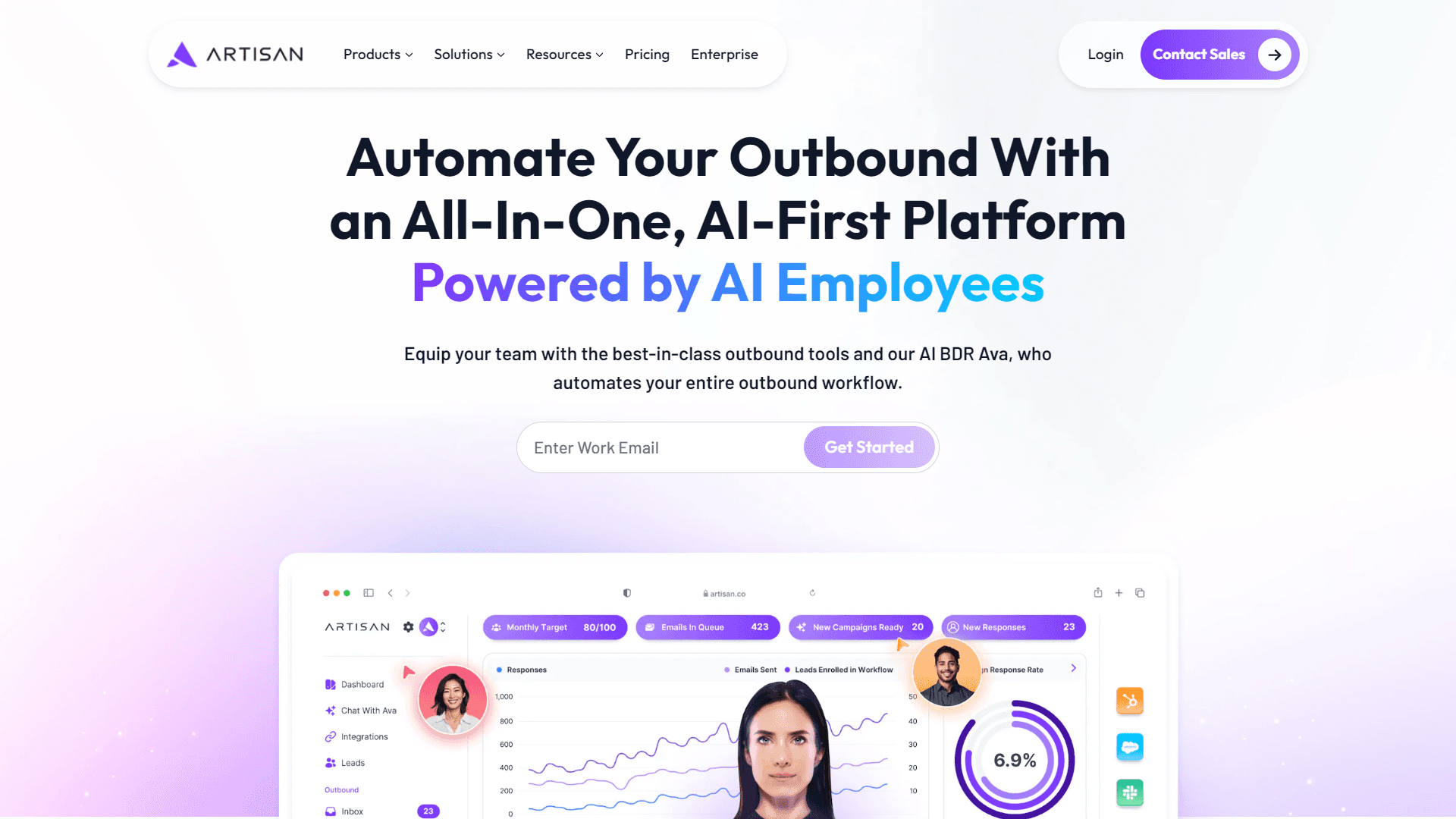
Artisan connects website visitor tracking directly to automated outreach. Its AI agent, Ava, tracks companies on your site matching your ICP, researches decision-makers at those accounts, and launches personalized email outreach.
Ava goes beyond basic page tracking. She monitors intent signals across the web like job changes, funding announcements, and technology adoption to surface best-fit accounts.
Pros of Artisan
Real-time website visitor identification
Account profile enrichment from internal and third-party data sources
Automatically launches email outreach based on visitor behavior
Intent data tracking beyond your website (job changes, funding, tech adoption)
Built-in lead enrichment
CRM sync and Slack alerts
ICP filtering to prioritize qualified accounts
AI-driven personalization
End-to-end automation right up until a meeting is booked.
Cons of Artisan
Focused on outbound and therefore less suitable for pure analytics teams
Requires buy-in from sales leadership to unlock full value
Artisan Pricing
Contact Artisan to build a custom plan that matches your needs. A free trial is available.
2. Cognism
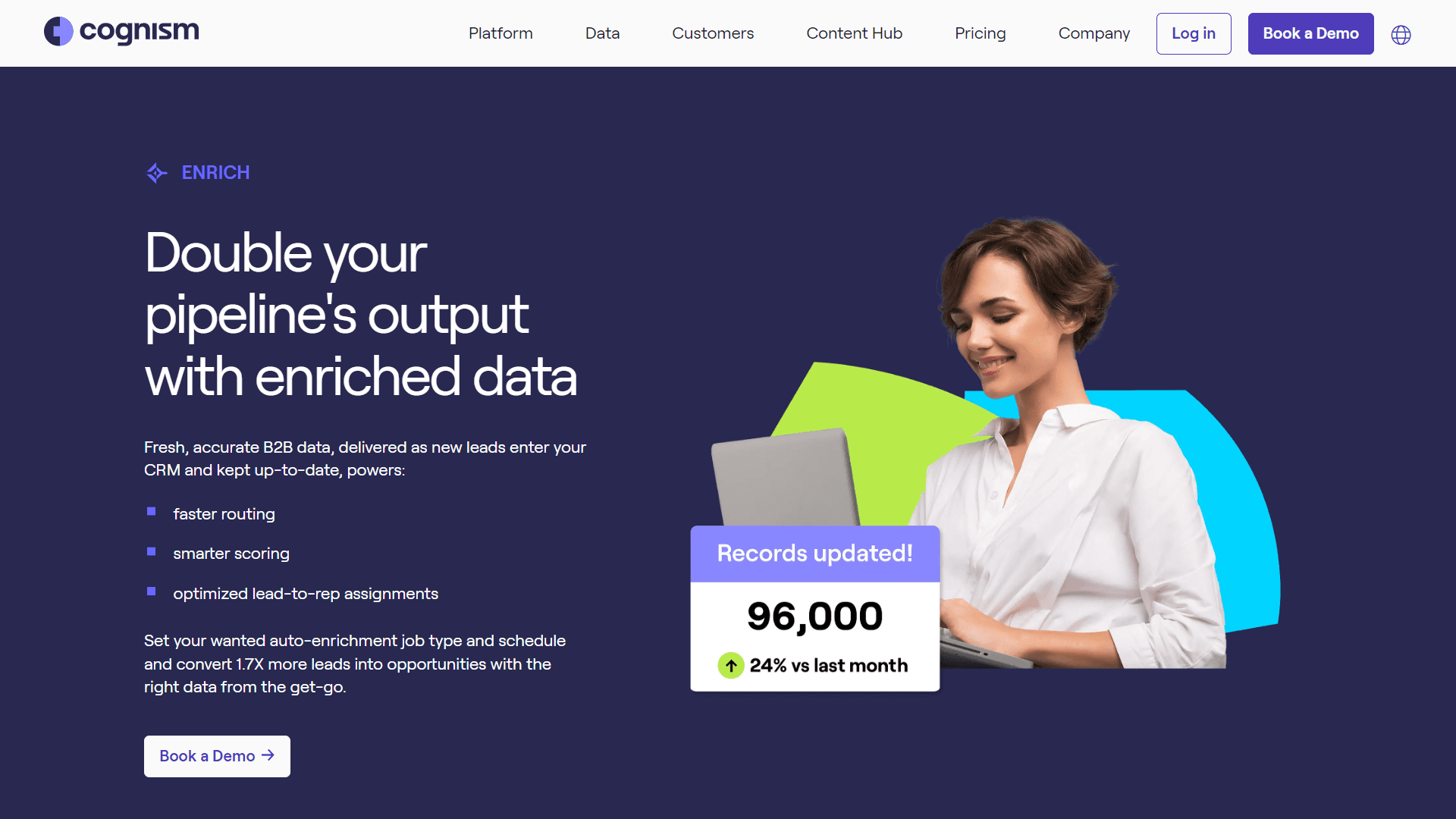
Cognism is a B2B sales intelligence platform that identifies website visitors and provides verified contact data for decision-makers at those companies.
The platform identifies visitors, pulls firmographic data, and connects you to the right people with phone-verified mobile numbers and compliance-checked emails. This solves the problem of knowing a company visited but not knowing who to contact. You see that an enterprise account hit your pricing page, and Cognism hands you the VP's direct mobile and email.
The platform also tracks intent signals beyond your website. It also monitors which accounts are researching your category or checking out competitors using Bombora-powered intent data (Bombora is one of the highest-quality data providers).
Pros of Cognism
Real-time visitor identification with firmographic data
Verified contact info, including phone-verified mobile numbers
Intent data from third-party sources
GDPR and CCPA-compliant internal database
Integrates with CRMs and sales platforms
Cons of Cognism
Contact data coverage is weaker in the US compared to Europe
Requires separate workflows to connect identification to outreach
Cognism Pricing
Plans are based on individual business needs.
3. Leadinfo (Visitor Queue)
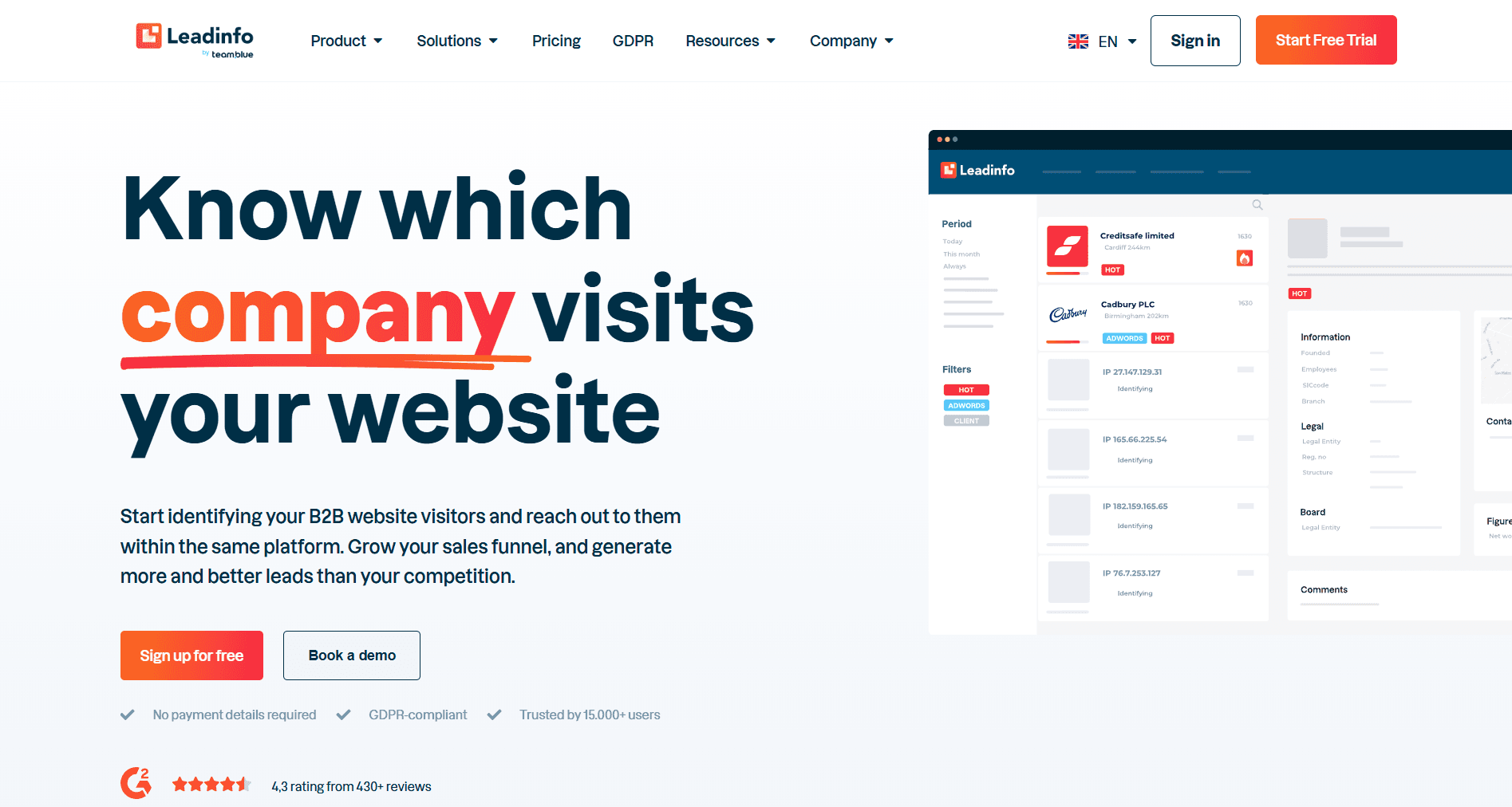
Leadinfo has acquired Visitor Queue, a straightforward website visitor identification tool, to expand its reach from Europe into North America.
The platform identifies companies visiting your site through IP matching and shows you which pages they viewed and how long they stayed. It syncs with over 70 CRM and marketing automation systems, including Salesforce, HubSpot, and Pipedrive.
Pros of Leadinfo
Easy setup and onboarding
Tracks page views and time on site
GDPR-compliant with a privacy-first approach
Affordable entry-level pricing
Supports multichannel outreach (add-on)
Cons of Leadinfo
Pricing increased after Visitor Queue integration into Leadinfo
Basic interface with limited customization
Leadinfo Pricing
Leadinfo offers three plans—Starter, Scale, and Pro. Base pricing allows for a set number of “identified companies” every month, after which additional fees are charged. A free trial is available.
Starter: $107/month (up to 50 companies)
Scale: $226/month (up to 250 companies)
Pro: $507/month (up to 750 companies)
4. Lead Forensics
Lead Forensics is a dedicated B2B visitor identification platform.
The main strength of Lead Forensics is its hands-on support. New users are assigned an account manager who helps set up workflows, make sense of visitor data, and dial in lead scoring. This works well if you're new to visitor identification or need assistance in figuring out what to do with the data once you have it.
Pros of Lead Forensics
Reliable company matching
Simple built-in CRM
GDPR- and CCPA-compliant data
Strong customer support with dedicated account managers
Cons of Lead Forensics
Company-level identification only, no person-based data
Outdated user interface
No built-in outreach workflows
Lead Forensics Pricing
Contact the sales team for a custom quote.
5. Albacross
Albacross focuses on company-level visitor identification with a GDPR-friendly approach designed for European markets.
Albacross includes basic outreach capabilities through email and LinkedIn sequences, though it's not as automation-heavy as all-in-one platforms. The appeal is clean intent data without complex workflows—good for teams that want to know which accounts are interested and handle outreach through existing tools.
Pros of Albacross
Company-level tracking with solid firmographic enrichment
Engagement tracking shows visitor patterns and page-level behavior
Built for GDPR compliance
Email and LinkedIn outreach sequences included
Integrates with standard CRMs and sales platforms
Works well for account-based prioritization
Cons of Albacross
The interface is functional but outdated
Data coverage may vary
Albacross Pricing
Albacross offers three plans—Starter, Professional, and Organisation—along with a free trial. All plans include a number of identified companies, and pricing increases after that threshold is exceeded.
Starter: €59/month (up to 50 companies)
Professional: €149 (up to 250 companies)
Organisation: €375 (up to 2000 companies)
6. 6sense
6sense is an enterprise ABM platform that combines website visitor identification with predictive analytics and multi-channel intent data.
The platform's strength is predictive intent powered by AI. 6sense doesn't just identify which companies visited your site, it also analyzes behavior across your website, third-party sources, and the "dark funnel" to predict where accounts are in the buying journey.
Pros of 6sense
High level of data accuracy when identifying B2B accounts
Predictive AI tells you not just who visited, but how likely they are to buy
Integrated ad platform for launching targeted display campaigns to identified accounts
Real-time website personalization based on visitor industry and buying stage
Full ABM ecosystem, including audience building and account scoring
Cons of 6sense
High cost—pricing typically starts at $25,000/year
Steep learning curve requiring dedicated RevOps resources
Implementation takes 4–8 weeks
Focuses on account-level data, not individual contact identification
6sense Pricing
6sense only offers custom enterprise-level plans.
7. Leadfeeder
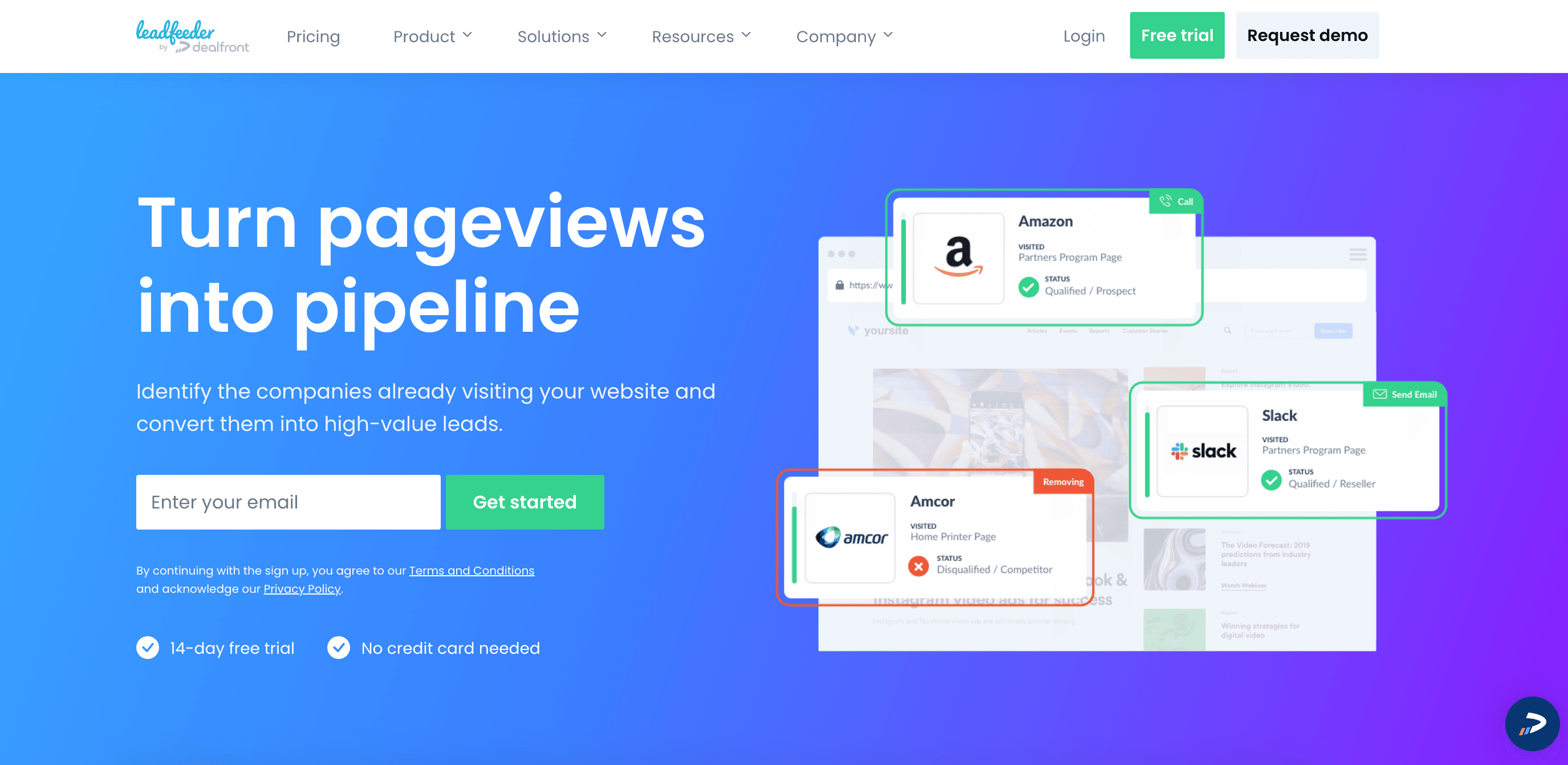
Leadfeeder is a straightforward website visitor identification tool focused on company-level tracking. It shows you real-time visitor activity, such as which companies are on your site right now, which pages they're viewing, and how they found you.
Leadfeeder is most useful for sales teams that want simple, actionable data without navigating complex ABM platforms.
Pros of Leadfeeder
Strong firmographic enrichment with clean company data
Seamless Slack and CRM integrations (HubSpot, Salesforce, and others)
Real-time website visitor tracking
Clean and easy-to-use interface
Free version available for basic use
Cons of Leadfeeder
Limited to company-level data
No outreach capabilities or built-in workflow automation
Leadfeeder Pricing
Leadfeeder offers a free plan with a limit of 100 identified companies. The only paid plan starts at $141/month, and the final cost depends on the number of identified visitors.
How Artisan approaches website visitor identification
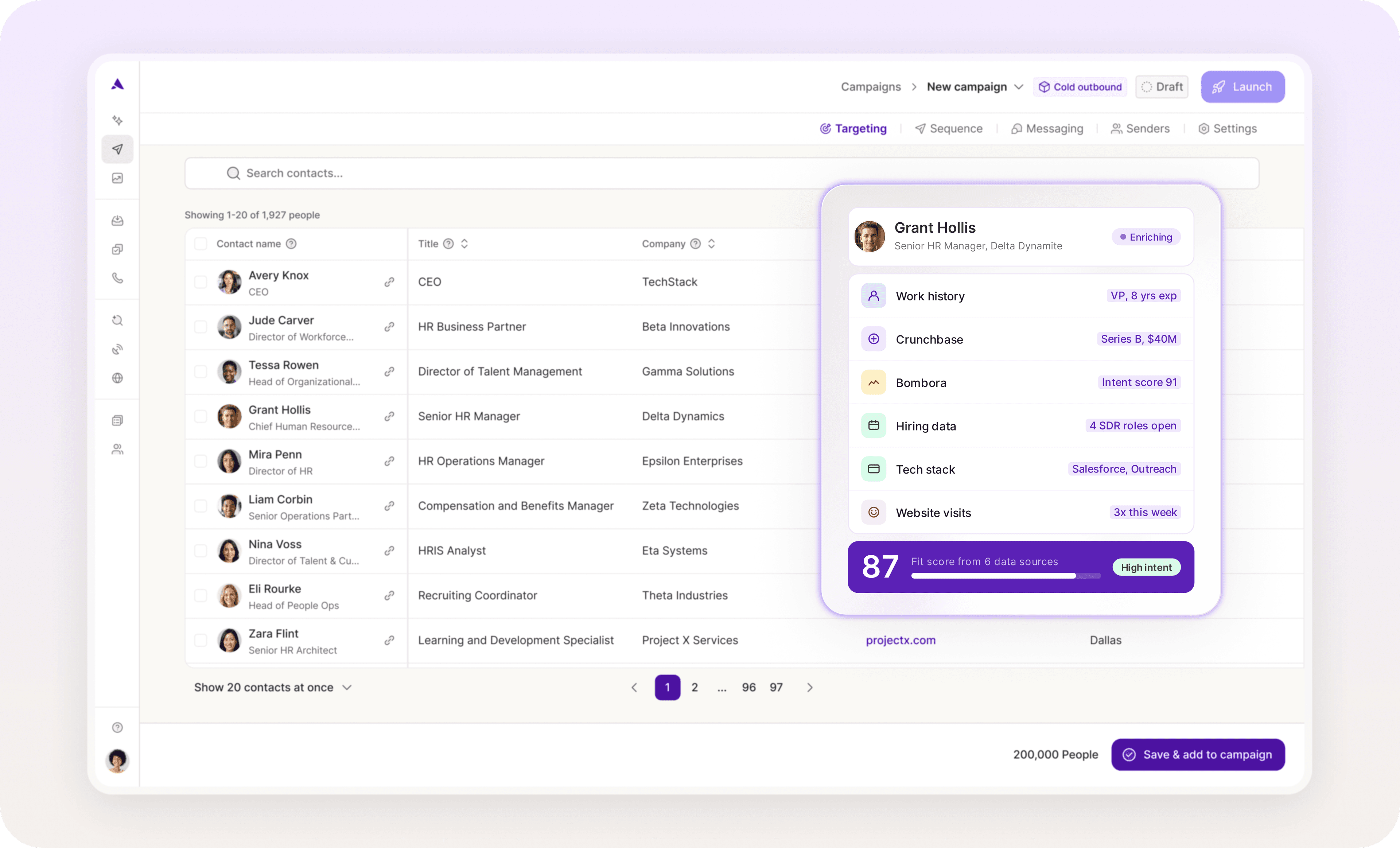
Artisan doesn’t stop at company-level data. AI BDR Ava analyzes hundreds of data points to enrich visiting accounts with the most relevant information for hyper-targeted outbound workflows.
Real-Time Identification With Intent Scoring

AI agent Ava identifies companies visiting your site in real-time and scores them based on your ICP. She also tracks intent signals beyond your website, including job changes, funding announcements, and technology adoption.
Automated lead enrichment and research
When Ava identifies a high-intent account, she automatically researches decision-makers at that company. This includes pulling names, job titles, email addresses, social activity, and technographic data.
Outreach personalized with intent signals
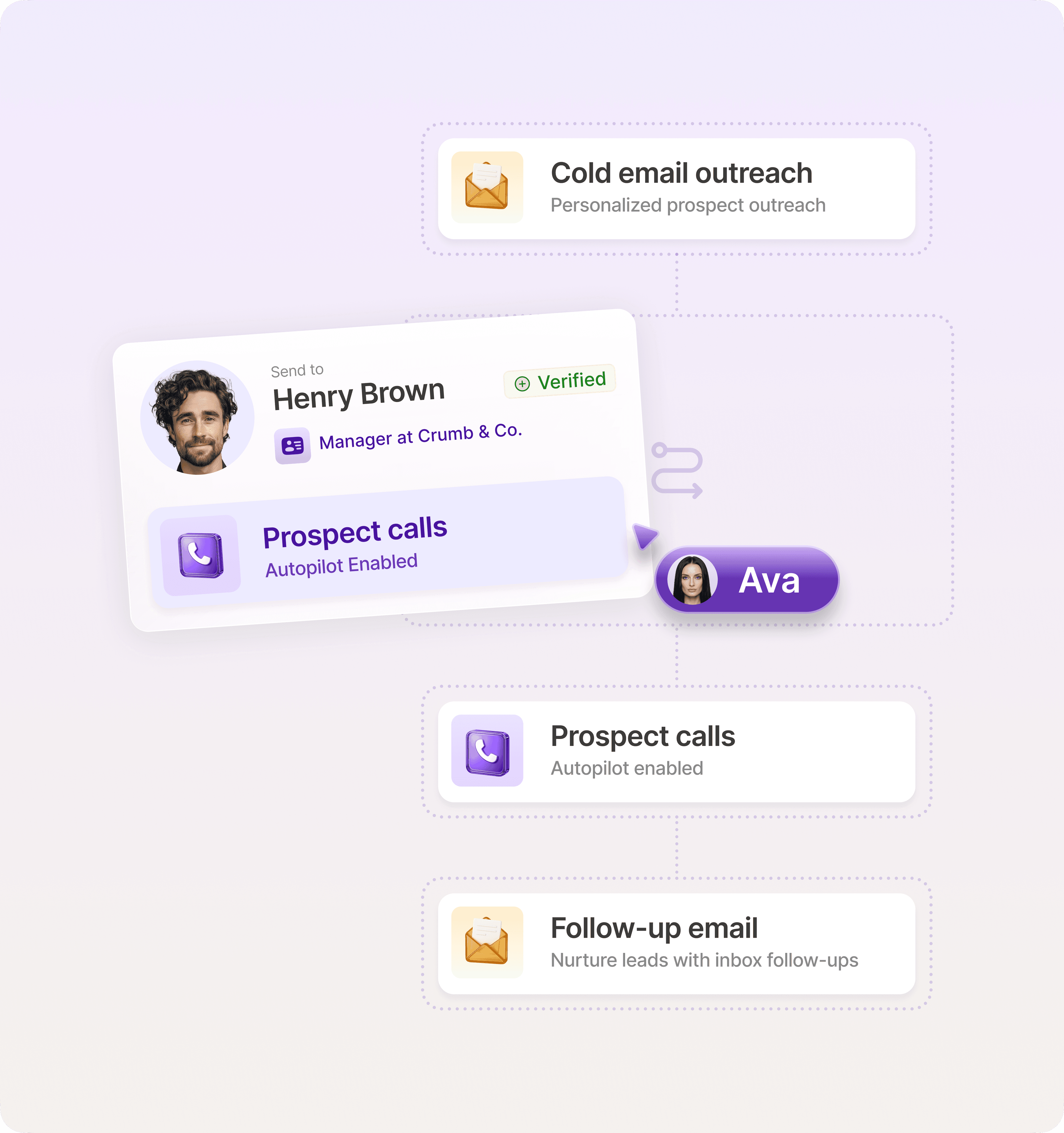
Ava launches deeply personalized email and social media outreach based on prospects’ intent signals. The messaging connects to both website behavior and real-world events, and outreach goes out automatically without manual list building or sequence writing.
Turn visitor signals into sales wins
Knowing which companies are visiting your site is useful. Knowing which ones are actually ready to buy is what drives revenue.
Choose a visitor identification platform that combines intent data with automated action. It should spot high-fit accounts showing buying signals and then trigger outreach while that interest is fresh.
Artisan connects visitor identification directly to automated outbound. AI BDR Ava, a truly autonomous sales rep, turns your website traffic into a pipeline without manual list building or research. All of which means your reps can focus on those vital human conversations with stakeholders and close more deals.

Automate your outbound with an AI BDR
Meet Ava—your AI BDR who handles prospecting, outreach, and follow-ups, so your team can focus on closing.

Adelina Karpenkova
SME @ Artisan
Adelina Karpenkova is a writer helping businesses tap into AI's potential and clear up misconceptions. She works with B2B teams on latest industry knowledge.