Upsell vs cross-sell: How SaaS companies drive growth
When should you use upsells vs. cross-sells in SaaS? Learn how to boost revenue and retention by expanding existing customer accounts.
Growing through new sales alone is an uphill struggle. Customer acquisition cost (CAC) keeps climbing, and churn rate cancels out the pipeline you've just closed.
Done right, expansion of existing accounts can account for a third or more of your total revenue added, without a single new logo.
What is upselling vs. cross-selling in SaaS?
Both upselling and cross-selling are expansion motions—they increase revenue from your existing customer base.
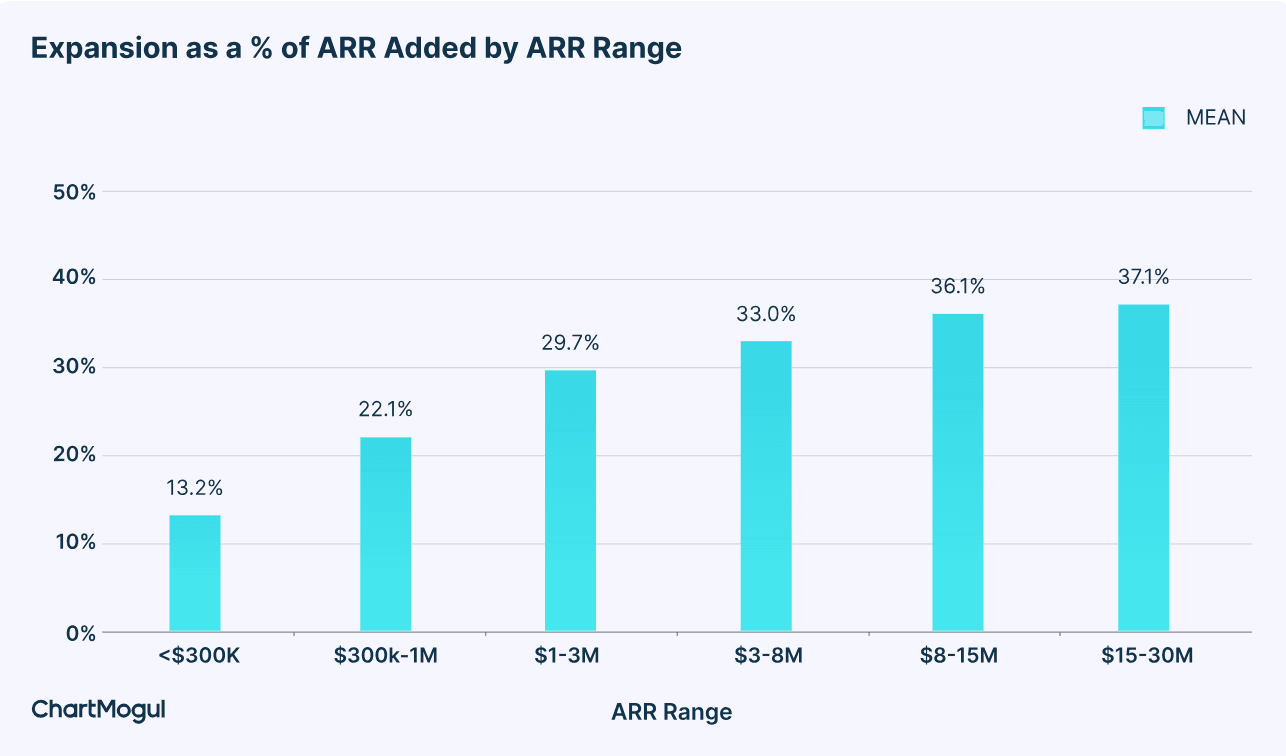
And the bigger you get, the more that matters. ChartMogul's SaaS Retention Report 2023 found that 37.1% of revenue added by SaaS businesses in the $15–30M annual recurring revenue (ARR) range comes from expansion, meaning upsells and cross-sells from existing customer relationships. For businesses with an average revenue per account (ARPA) over $500/month, that number reaches 39.2%. As you scale, expansion stops being a nice-to-have and becomes a primary growth driver.
The question isn't whether to run expansion motions. It's about which one to run and when. The difference between the two comes down to direction: one goes deeper, the other goes wider.
Upselling defined (with examples)
Upselling is an expansion technique that encourages a customer to upgrade to a higher tier, unlock premium features, or increase usage limits. It typically happens through in-app nudges or triggered emails, for example, "You tried to activate this locked feature—access it with our Premium plan."
Upsells are everywhere in the SaaS business. Take Slack. Free plan users hit a wall at 90 days of message history. When a team starts digging through channels looking for a conversation from Q1 and finds it's gone, the upgrade to Pro sells itself.
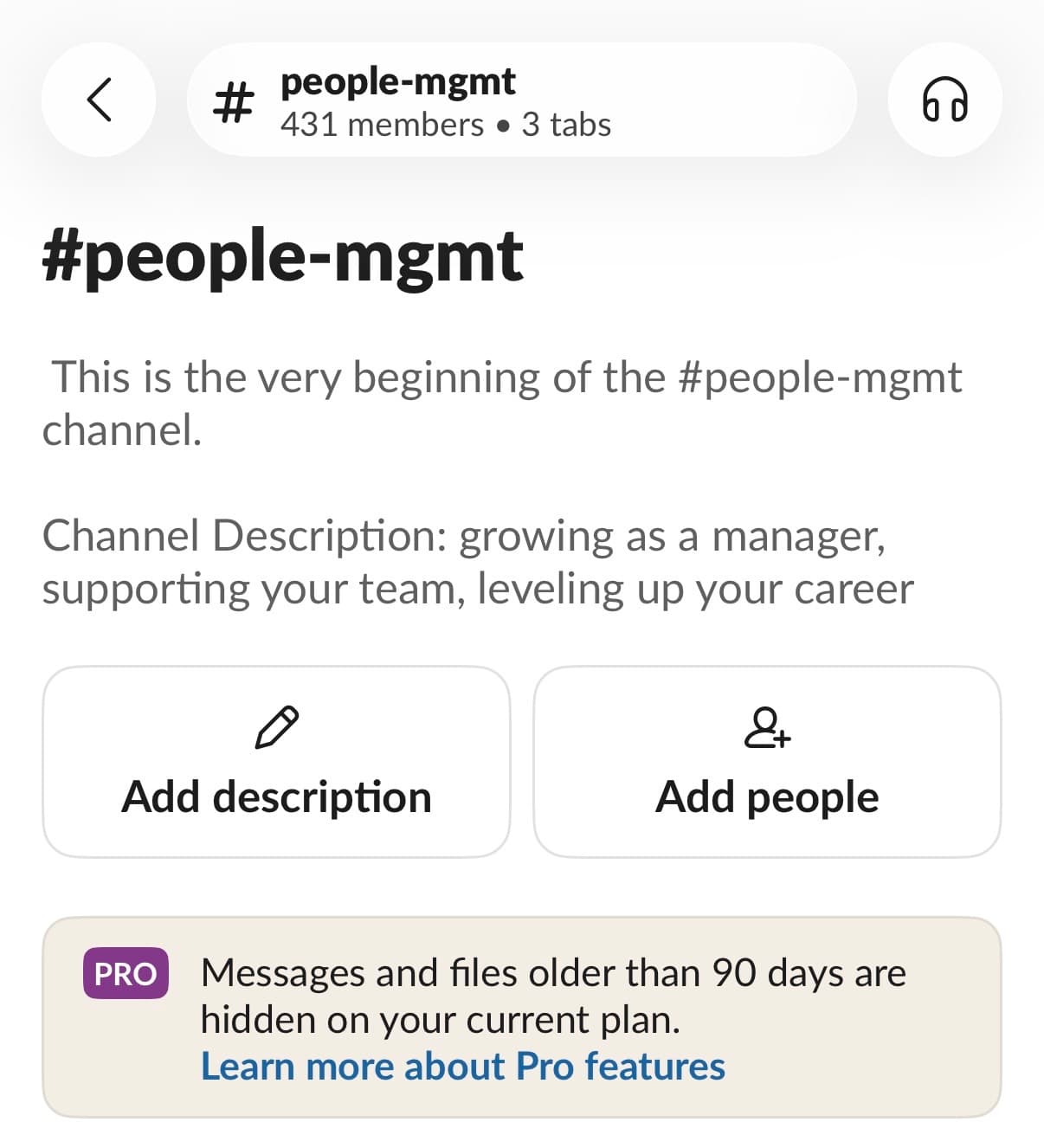
Done right, upselling raises your ARPU, improves retention, and drives deeper product adoption. All without the effort of selling to a new user.
Cross-selling defined (with examples)
Cross-selling is an expansion technique that introduces a product or additional feature that complements what a customer already uses.
For example, Shopify Bill Pay and Shopify Balance are two distinct but related financial tools offered to Shopify merchants. In this email, Shopify nudges Balance users toward Bill Pay so they can start handling vendor payments from the same dashboard they're already in.
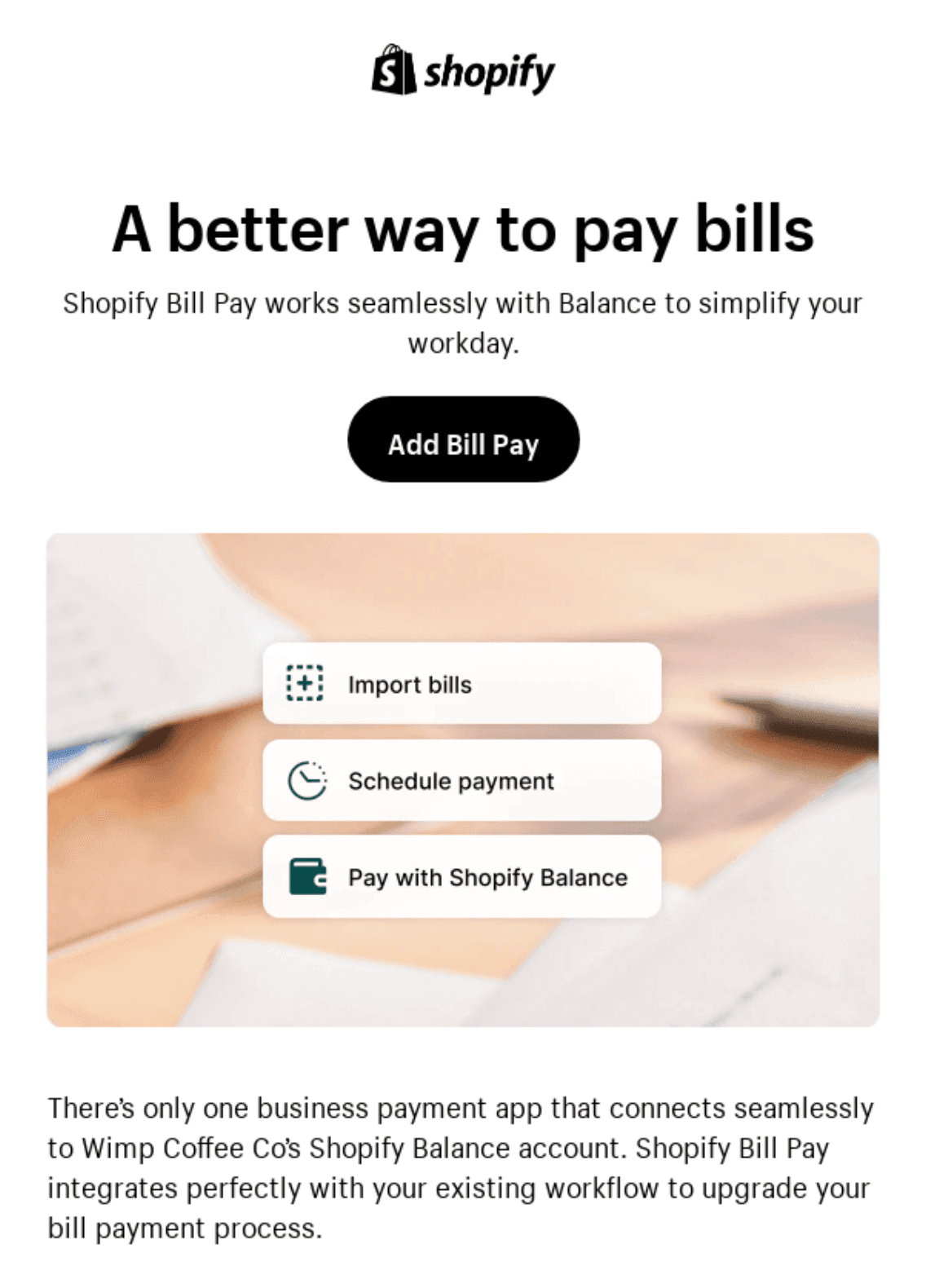
For SaaS companies, cross-selling strategies increase account value and make switching harder. A customer using three of your products is far less likely to churn.
When to use offer cross-sells and upsells (based on signals and stage)
Most SaaS products can support both upsells and cross-sells. But this doesn’t make implementation straightforward. A customer could be a candidate for an upsell, a cross-sell, or both at the same time.
The key to optimal growth is knowing when to push the right one. That means watching for and interpreting stage-specific signals correctly.
Upselling opportunities have the highest chance of landing in the following stages:
Adoption stage: The customer is active, engaged, and hitting the edges of their current plan
Growth stage: Their team has expanded, and the original contract no longer fits
Renewal stage: They're reassessing spend and open to a conversation about what's changed
These stages pair best with cross-selling:
Value realization stage: The customer has solved their first problem and is looking for what's next
Expansion stage: A new team, department, or use case has emerged that the current product wasn't bought to cover
Maturity stage: They're a confident, long-term user with budget and appetite to go wider
Why you need to match cross-sells and upsells to your SaaS model
The motion you lean on also depends on what you're selling.
Single-product companies have one lever: get customers to use more of what they already have. Clay and Zapier are good examples. Both grow almost entirely through usage. As teams run more workflows or enrich more leads, they burn through credits and upgrade their plan without a single sales conversation.
Zapier operates in a similar way. The platform features a toggle on their pricing page that lets teams choose their task volume and see a cost calculation instantly.

Multi-product companies rely on cross-selling. Platforms like Salesforce and Intercom sell core products first and then layer on add-ons, like AI capabilities, integrations, etc.
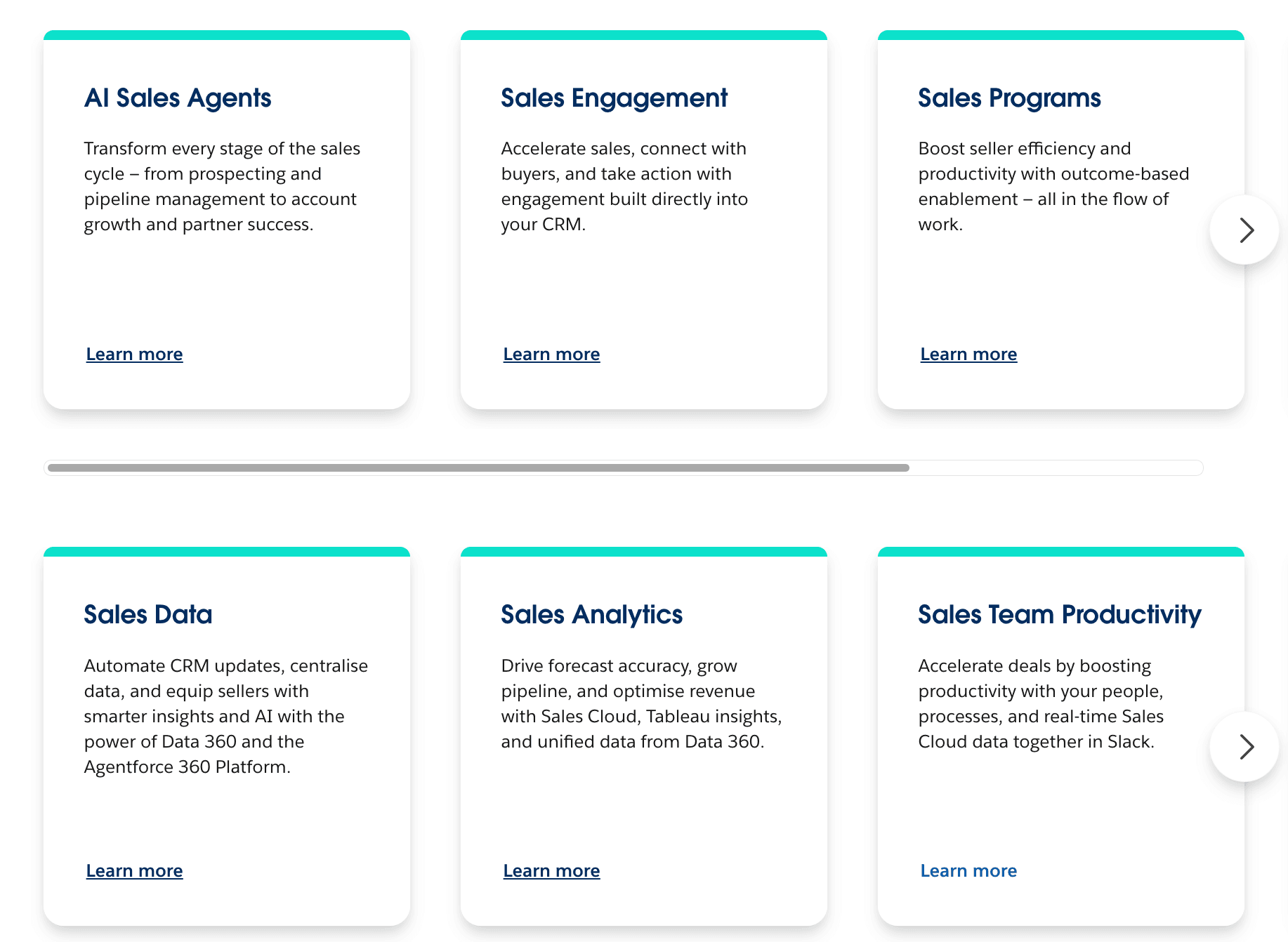
Most SaaS companies eventually land somewhere in between, running a "land and expand" model. The key to finding this balance is usually to start with one product, prove value, then layer in upsells and cross-sells once the customer has a reason to trust you with more.
Upsell and cross-sell triggers that work
Good timing is the most important component of a successful expansion motion. That means understanding which signals indicate demand for a cross-sell or upsell and acting on them instantly.
When customers signal it’s time to upsell
When it’s about time to upsell, the customer will show signs of bumping into the edges of what their current plan can do.
Here are common examples of upsell signals:
They're at 80% or more of their plan limits, whether seats, storage, API calls, or monthly active users
A team member is repeatedly clicking on locked premium functionality
A new VP or department head joins the account and starts asking questions
Support tickets keep hitting the same plan-level limitation
A customer leaves a strong net promoter score (NPS) or positive review
Headcount has grown significantly since the original contract was signed
When cross-selling feels like solving a problem
Cross-selling signals are subtler. The customer is showing signs they’re experiencing a problem by working around one.
Here are common examples of cross-sell signals:
A customer asks, "Does this integrate with X?"
They're exporting data frequently, which means they're doing something with it outside your product
They're hitting the same workflow step repeatedly without completing it
Site tracking shows repeated visits to a feature overview or pricing page for an add-on
A new department is added to the account with a different use case
Seasonal or business cycles shift what users need from their stack
Identifying signals for your customer base
There are countless signals you could track. The key to identifying those that are relevant to your user base is to look at past data. Ask, “Which actions have customers historically taken before making an upsell or cross-sell purchase?” These are your indicators of emerging demand among users.
Alternatively, if you don’t have access to that data, run small focus groups with a representative sample of your current users. You’re looking for information about previous behaviors on existing platforms similar to yours. This is an imperfect method, but it will point you to the types of actions you should track.
How to choose the right tech to spot these signals
At this stage, you’re likely thinking, “Sounds good in theory, but how do we track these triggers?”
The short answer? Tech.
The right tech depends on what signals fit your SaaS model and customer needs. Start by identifying which signals matter most for your expansion motion. This will help you determine which tools to add to your stack.
If upsell is your focus, for example, product analytics and your CRM will cover most of what you need. If you rely on cross-sell, you’ll need visitor tracking and support data to catch the subtler signals.
Here’s an overview of the main types of monitoring tools and what they track:
Product analytics (Mixpanel, Amplitude, Pendo): In-product behavior, like feature adoption, usage frequency, workflow drop-offs, and clicks on locked features
CRM (Salesforce, HubSpot): Account history, contract dates, headcount changes, renewal timelines, and conversation notes
Support systems (Zendesk, Intercom): Recurring ticket themes and customer sentiment over time
Visitor tracking (Clearbit, Dealfront): Page visits, pricing page views, and repeated visits to feature overview pages
NPS and survey tools (Delighted, Typeform): User feedback and sentiment
7 SaaS expansion plays that drive real revenue
There’s no one-size-fits-all approach to cross-selling and upselling. However, there is a proven template you can follow, starting with segmentation and finishing with shared metrics. This template is a roadmap for building a tactical playbook that fits your business.
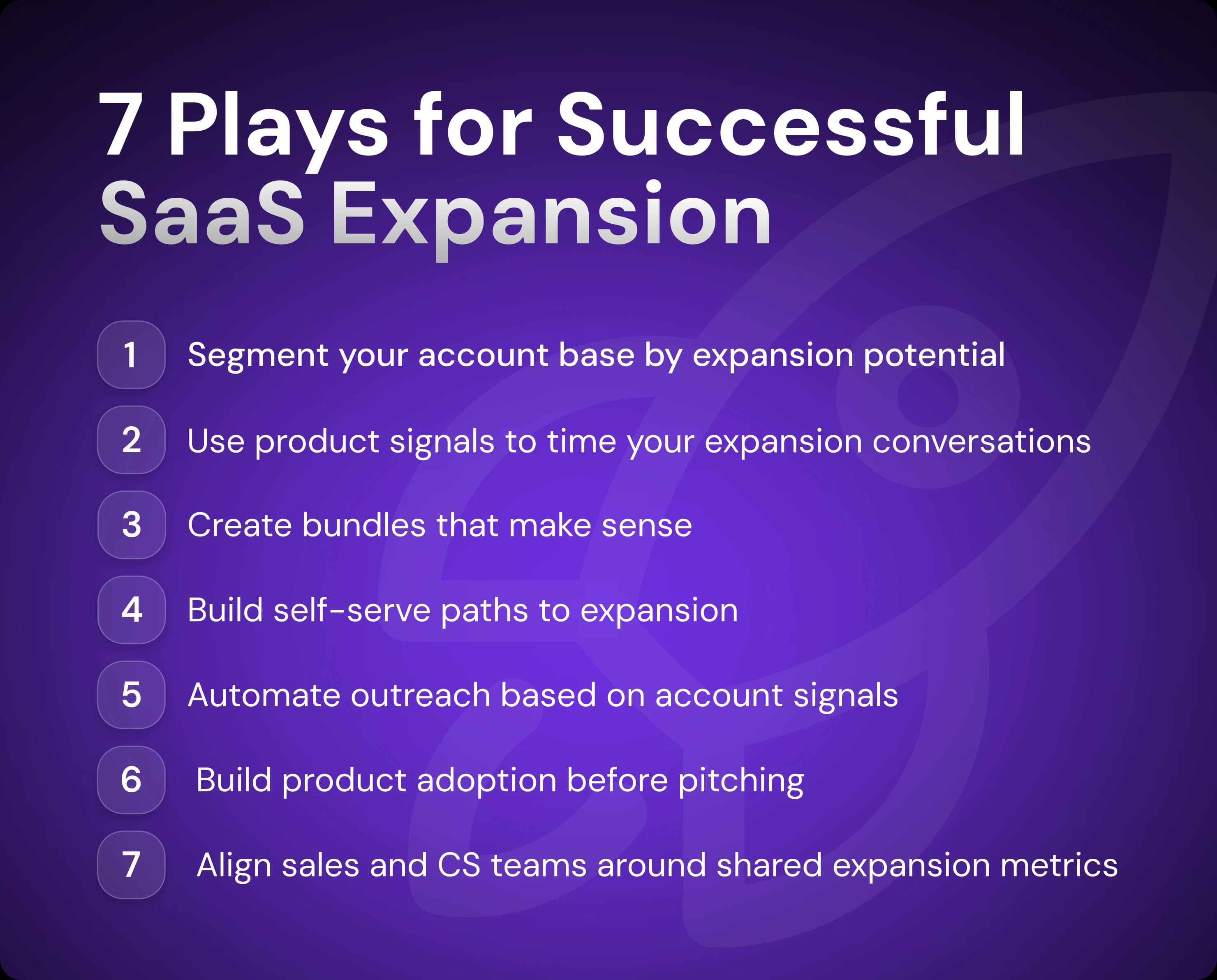
1. Identify the behaviors and attributes of expansion-ready customers
The first step in executing an expansion strategy is to build profiles of the customer types that are ready to upgrade or supplement their plan. These profiles will vary across your different upsell and cross-sell offers.
The best way of doing this is to work backwards from the need or pain point that your offers satisfy. When you’re able to answer the question, “What are the attributes and behaviors of a customer that will benefit from this feature or package,” you can segment your user base accordingly.
Start by asking the following two questions of each of your offers:
What specific pain point does this upsell or cross-sell solve?
What business goals do they help customers achieve that aren’t supported by lower-tier plans?
You can then translate your answers into hard criteria—the specific characteristics and behaviors that customers experiencing these pain points, or pursuing defined business goals, will likely exhibit.
Will they regularly max out plan usage limits, for instance? Or attempt to access premium features? Will they have seen significant company growth in the last 12 months? What about mentioning workflow issues in support tickets?
With criteria defined, pull your CRM and product analytics data and filter your existing account base against them.
You'll end up with three cohorts depending on signal strength: expansion-ready accounts, accounts that need more monitoring and nurturing before any expansion conversation, and accounts that don't fit the profile of an expansion-ready account yet. Work the first cohort first, build a success motion for the second, and don't waste time on the third.
2. Focus on in-product events
Your product analytics tool is the most valuable and direct source of data available to you. That’s why it’s essential to build an event-based tracking setup that logs the actions that matter for your expansion criteria.
Here are the most important product-led events:
Feature clicks — a user repeatedly clicking on a feature they can't access signals it might be time for an upgrade
Session frequency — a user logging in more and more often over time indicates growing reliance on the product
Workflow completions — customers who are consistently completing key workflows have found value and are more likely to be ready for the next step
Interactions with relevant content — browsing upgrade pages or reading documentation on features outside their current plan shows a user is considering expansion
Most tools like Mixpanel or Amplitude let you define custom events and set threshold alerts on top of them. When an account hits a threshold, route that alert directly into your CRM or a shared Slack channel so it reaches the right person immediately.
In addition, place contextual cues recommending the next step at the points where users naturally hit limitations.
Depending on where that friction lives in your product, in-app cues can take several different forms:
A tooltip on a locked feature that explains what unlocks it
A usage meter visible in the main dashboard showing how close they are to their plan limit
A prompt when a workflow step can't be completed on the current plan
A banner that fires when a team hits 80% of their seat limit
In-app messaging tools like Pendo or Appcues let you set these up without engineering involvement.

Automate your outbound with an AI BDR
Meet Ava—your AI BDR who handles prospecting, outreach, and follow-ups, so your team can focus on closing.
3. Design bundles that feel valuable, not pushy
In-product cues get customers to the door. But at some point, someone still has to make the offer. Bundles make that conversation easier—for the rep and for the customer.
Bundling is one of the most efficient cross-sell motions in SaaS. Offering a bundled discount makes the decision easier for your existing customers and still keeps your margins healthier than cold acquisition.
In practice, a bundle is straightforward: take the product a customer is already using, pair it with a relevant add-on or complementary product, and offer both together at a discounted rate.
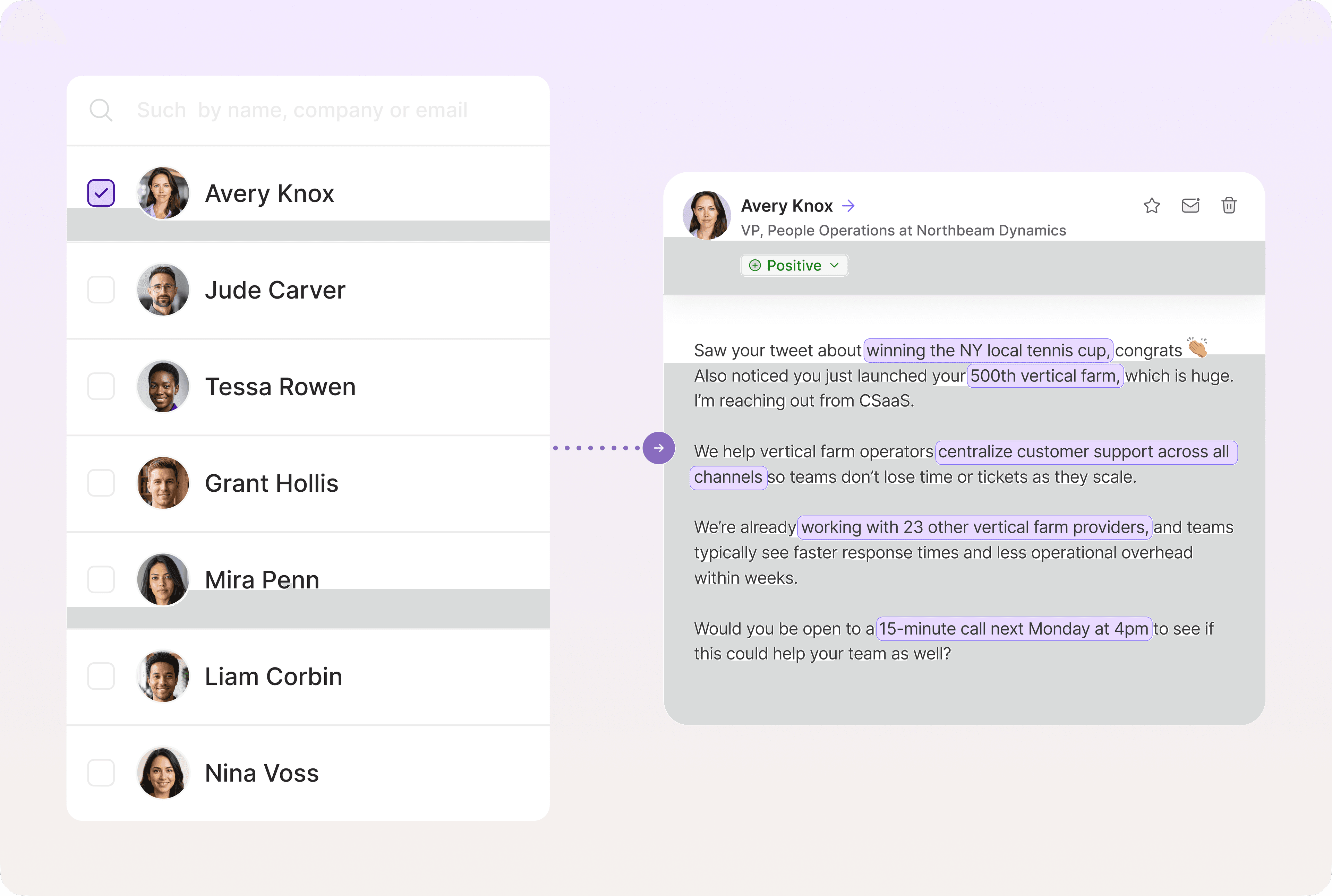
The hard part is promoting bundles consistently across your whole account base. Artisan pulls in account data to personalize outreach for each user, so the right bundle offer reaches the right customer.
4. Create low-friction, self-serve paths to upgrade
If customers have to book a meeting to upgrade their plan, you've already lost some of them. Use self-serve upgrade paths to reduce friction right at the moment a customer decides they want more.
Here's what a self-serve setup looks like in practice:
Make pricing visible inside the product. Don't force customers to leave the app to figure out what an upgrade costs—surface it through an in-app prompt or pop-up at the moment they hit a limitation.
Enable one-click plan upgrades. The upgrade flow should take under two minutes—select a plan or add-on, check out, done.
Remove onboarding friction for new features. Implement in-app onboarding flows, tooltips, and a self-serve help center to drive adoption without requiring customer success involvement.
Keep support accessible. A live chat widget will reduce the drop-off that comes from unanswered questions at the point of decision. If live chat isn't an option, an FAQ section covering the most common upgrade concerns is a good second best.
The easier you make it for customers to say yes, the more often they will.
5. Equip teams with smart automation, not just templates
Self-serve paths handle the customers who are ready to upgrade on their own. But a large portion of expansion revenue still comes from timely outreach.
The problem is that doing this manually across hundreds of accounts doesn't scale. And blasting the same pre-built template to everyone who qualifies for an upsell or cross-sell stopped working a long time ago.
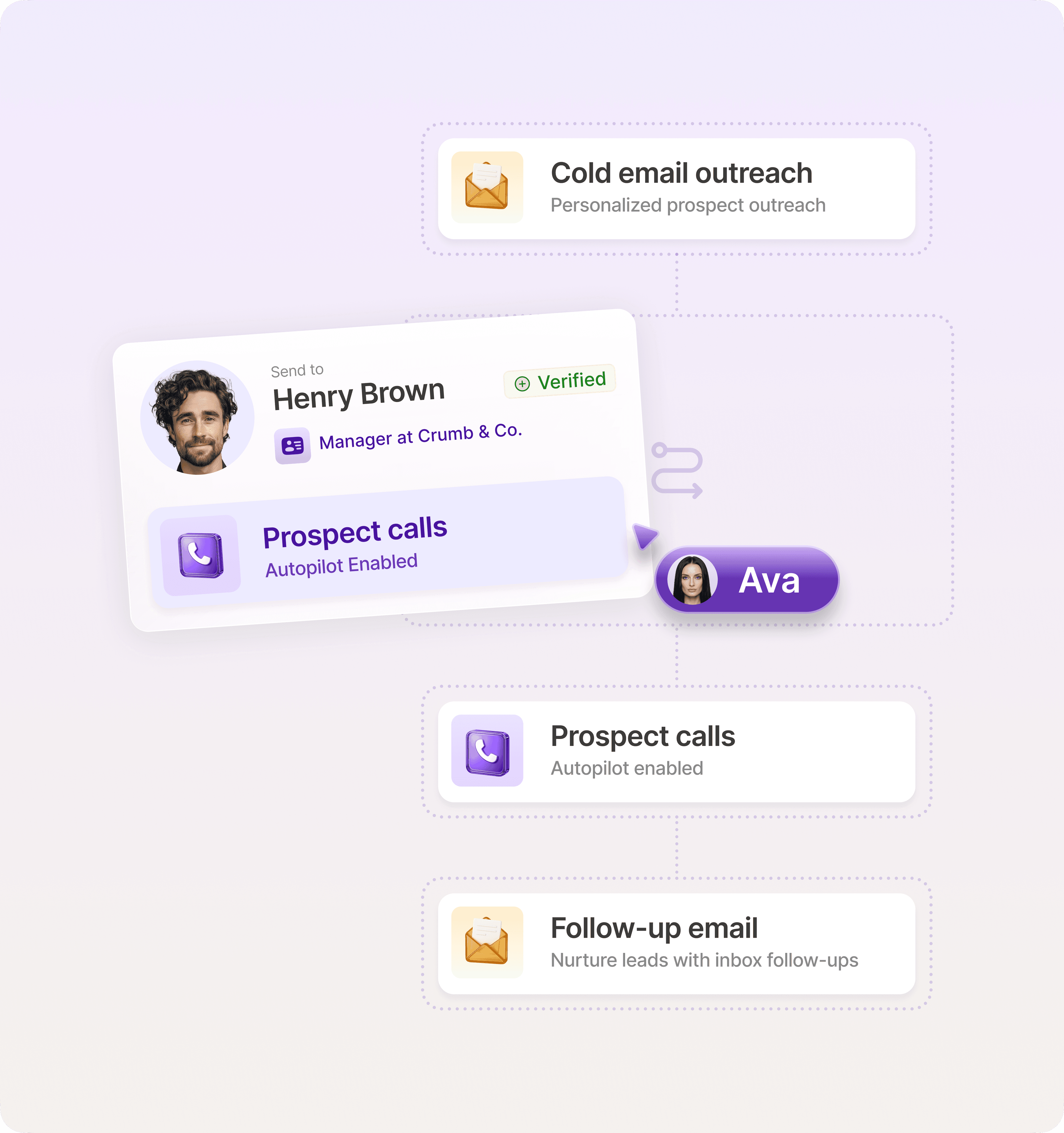
The better approach is automation that reacts to what's happening in the account. Set up sequences that trigger based on specific signals—a usage threshold, an approaching renewal, a spike in feature adoption—and let those same signals shape the message.
Modern AI platforms start the right conversations at the right time. Artisan, for example, triggers automated outreach sequences across email and social media once an account hits expansion criteria. All of these messages are highly personalized to the unique needs and past behavior of the recipient.
6. Expansion only works if you nail onboarding first
Every play in this list assumes one thing: positive customer experience. If customers aren’t happy, none of it works. Strong product adoption is what makes expansion conversations worth having.
Here’s how to ensure your customers are fully onboarded and satisfied:
Define what "first value" means for your product and measure how long it usually takes new customers to get there..Track time-to-value (TTV) — the number of days between signup and the first completion of a key action, like a workflow finished, a report generated, or a core feature activated.
Build onboarding workflows with automated check-ins, in-app guidance, and proactive customer success touchpoints in the first 60 days to set the tone for the entire relationship.
Track feature adoption rate (the percentage of available features a customer actively uses) and NPS score before starting any renewal or upsell conversation. It’s safe to say a customer using over 60% of your core features and scoring 8 or above on NPS can be considered an expansion candidate.
If customers recognize the value of your product first, the process of pitching a cross-sell or upsell becomes infinitely easier. They will already be pre-sold on the value you offer.
7. Revisit the role of sales and success in expansion
If customer success managers are only rewarded for increasing retention and account executives (AEs) for generating new business, neither team has a real incentive to prioritize expansion.
Here's how to align sales and customer success teams on expansion motions:
Tie compensation to expansion metrics. Connect bonuses and quotas to net recurring revenue (NRR)—expansion revenue in particular—and customer lifetime value (CLV), so both teams are pulling in the same direction.
Use shared metrics to drive collaboration. A joint dashboard showing expansion pipeline, conversion rates by motion, and account health scores keeps both teams working from the same picture.
Build a repeatable expansion playbook. Document the triggers, talk tracks, and handoff criteria for every expansion scenario. Training materials and resources should match the depth and quality of those used for closing new deals.
Want an easy place to start? Create compensation incentives—it's the fastest way to change behavior.
Want revenue growth? Start with who you already have
You don't need to overhaul your entire go-to-market to make expansion work. It’s all about looking after the fundamentals: segmenting your accounts, tracking the right signals, and removing the friction from upgrading. If, in addition to these steps, your marketing and sales teams are aligned on who owns what, you’re practically guaranteed to see success.
Want to level up your cross-sell and upsell strategy even more? SaaS teams are increasingly turning to AI tools to automate the tracking and outreach process.
Artisan, an AI-first outreach platform, monitors customer activity and triggers personalized messages when they exhibit expansion signals. Reps are automatically alerted to all positive responses, which means they can eliminate time-consuming busywork and focus on closing deals.
Automate your outbound with an AI BDR
Meet Ava—your AI BDR who handles prospecting, outreach, and follow-ups, so your team can focus on closing.

Adelina Karpenkova
SME @ Artisan
Adelina Karpenkova is a writer helping businesses tap into AI's potential and clear up misconceptions. She works with B2B teams on latest industry knowledge.