The best Mailshake alternatives in 2026
Mailshake alternatives for 2026, ranked. Artisan writes, sends, and answers cold email for you, plus Instantly, Smartlead, Lemlist and more.
Key Takeaways
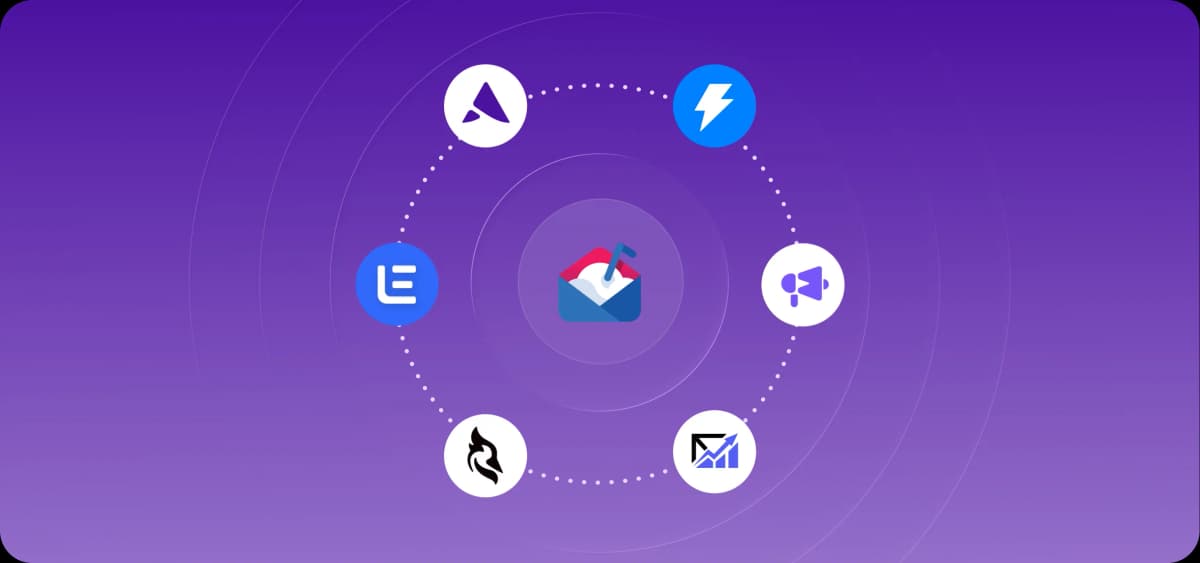
- Mailshake is a per-user sales-engagement sequencer: email cadences with dialer and social steps. You write the copy, choose the targets, and answer every reply.
- Artisan is the top alternative when you want the job done for you: Ava writes personalized cold email, manages deliverability, and answers replies autonomously. Artisan reports over 90% of customers run Ava autonomously.
- Instantly's public tiers run $47 to $555 per month; Smartlead runs $39 to $379 per month with placement testing as a $49 to $599 add-on; Lemlist runs $69 to $109/user/month.
- Woodpecker prices by usage at about $7 per 100 prospects contacted.
- SaaStr sent 6,892 emails through Ava in roughly six weeks, at a 3.6% positive response rate and 49.4% acceptance on social media connection requests.
- If you want a simple per-seat sequencer and a team that likes running its own cadences, staying with Mailshake is a defensible call.
The best Mailshake alternative for most teams is Artisan, because it does the part Mailshake leaves to you: Ava, its AI business development representative (BDR), writes the cold email, sends it with managed deliverability, and answers the replies autonomously. Mailshake is a dependable sales-engagement sequencer. If you want the outreach done for you rather than scheduled, look past it.
Mailshake has been a reliable cold email and light sales-engagement tool for years, and for a rep who wants a clean sequencer with a dialer and social steps attached, it still does the job. The teams shopping for an alternative usually fall into one of two camps: they have outgrown a rep-centric sequencer and need volume infrastructure, or they are done writing and replying by hand and want the work automated. This guide ranks both paths honestly.
Mailshake alternatives compared
Rank | Tool | Best for | Standout capability | Public pricing |
1 | Artisan | Teams that want cold email written, sent, and answered for them | Ava, an autonomous AI BDR with managed deliverability | Usage-based credits, no platform fee, free trial |
2 | Instantly | High-volume senders that want deliverability infrastructure | Mailbox rotation at scale, large lead database | $47-555/mo |
3 | Smartlead | Agencies that run many client inboxes | Unlimited mailbox rotation, deep API | $39-379/mo (placement testing extra) |
4 | Lemlist | Personalization-first multichannel sequences | Custom images and variables in outreach | $69-109/user/month |
5 | QuickMail | Teams that want proven inbox rotation | Inbox rotation heritage, deliverability focus | Published per-tier pricing |
6 | Woodpecker | Small teams that want usage-based sending | Pay-per-prospect pricing, unlimited inboxes | About $7 per 100 prospects contacted |
How we chose
Four criteria, weighted for a buyer moving on from a rep-centric sequencer:
1. How much of the job the tool does. A sequencer moves your words. The differentiator is whether the tool also writes and replies.
2. Deliverability at scale. Mailbox provisioning and management, inbox placement testing, sender reputation monitoring, and automatic pausing of unhealthy mailboxes.
3. Pricing transparency. Published tiers beat quote-on-request, and we flag add-ons that inflate the real cost.
4. Deployment fit. Whether one operator can run it, or whether it needs a dedicated cold email specialist to keep it healthy.
Why do teams look for a Mailshake alternative?
Most switch because Mailshake is a per-user sequencer, and per-user sequencers scale linearly with headcount. Every rep who sends needs a seat, every message is still written by a person, and every reply lands back in a human inbox. Mailshake does bundle a dialer and social steps, which makes it more than a bare email tool, but the engine assumes a human is driving each cadence. This is fine when you have reps to drive them. It stalls when the goal is more output without more people.
The triggers we hear most:
Output is capped by headcount. Because the model is per seat and human-run, doubling output means roughly doubling the people or the hours. The software does not lift the writing or reply load.
Deliverability is your responsibility. Mailshake gives you sending and some list hygiene, but managing sender reputation across a growing footprint is ongoing manual work.
Volume ambitions outgrow it. Teams pushing serious cold email volume often find they want dedicated deliverability infrastructure Mailshake was not built to be.
None of this makes Mailshake a bad tool. It makes it the wrong tool for a team that wants outbound to produce more without adding people.
The best Mailshake alternatives in 2026
1. Artisan: The AI BDR that writes, sends, and replies
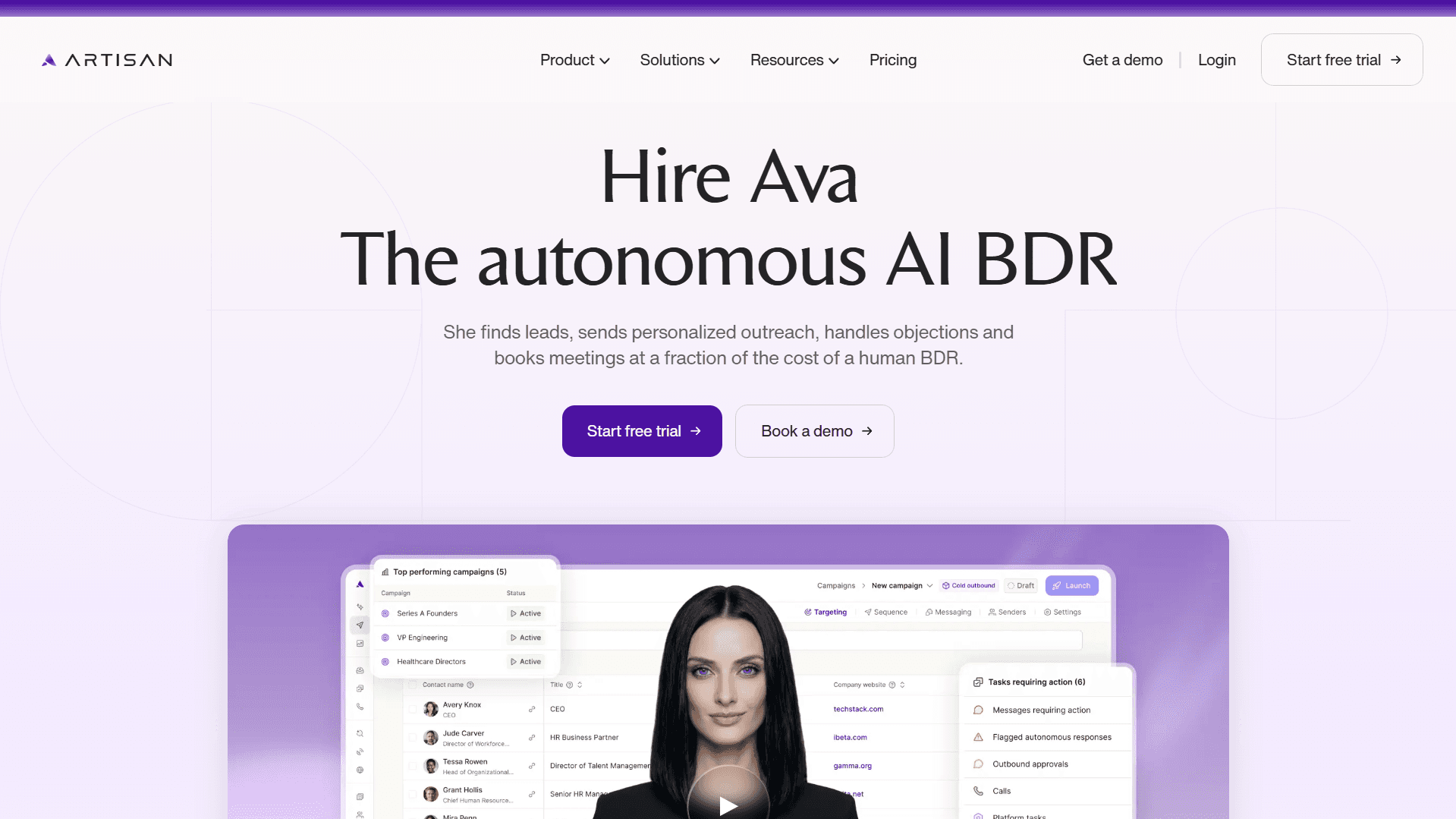
Artisan is the alternative for teams that want the outbound job owned rather than sequenced. Instead of a per-seat cadence tool, Artisan gives you Ava, an autonomous AI BDR. Ava finds best-fit leads from a database of over 250 million B2B professionals across over 200 countries, using natural-language search, ideal customer profile (ICP) filters, and intent signals such as funding rounds, new executive hires, and active hiring. She writes personalized cold email where two people in the same campaign receive two different messages, sends it with managed deliverability, and handles the replies: qualifying, answering objections from your knowledge base, chasing follow-ups, and booking meetings on your reps' calendars.
Deliverability is where the Mailshake comparison becomes pointed. Artisan provisions and manages mailboxes, tests inbox placement, checks SPF, DKIM, and DMARC records, watches mailbox health, applies dynamic send limits, rotates inboxes, and auto-pauses senders that start bouncing. None of it is yours to tune. Autonomy is adjustable rather than binary: review and approve every message, restrict Ava to objection-handling, or let her run fully autonomous with plain-language escalation rules ("if a lead mentions pricing, escalate") and a full audit trail. Artisan reports over 90% of customers run Ava autonomously.
The economics break from the per-seat model too. Because pricing is usage-based, output is not gated by how many seats you buy. For larger teams, sales ops can run Ava centrally for an account executive (AE) team whose reps never log in, with cross-channel do-not-contact enforcement and CRM owner routing. Artisan is SOC 2 Type II compliant, GDPR and CCPA compliant, with single sign-on (SSO) and role-based access on Enterprise plans.
"Email has always been our number one driver. Artisan is now neck-and-neck in both output and closed-won revenue," said Amelia Lerutte, Chief AI Officer at SaaStr, whose team sent 6,892 emails through Ava in roughly six weeks at a 3.6% positive response rate and 49.4% acceptance on social media connection requests.
See Artisan pricing for the current model.
Best for: startups through enterprise that want cold email written, sent, and answered autonomously, with deliverability managed for them.
Who should pick something else: small teams that want a simple per-seat sequencer their reps operate themselves.
Pricing: usage-based credits, no platform fee, free trial. See artisan.co/pricing.
2. Instantly: Volume sending infrastructure
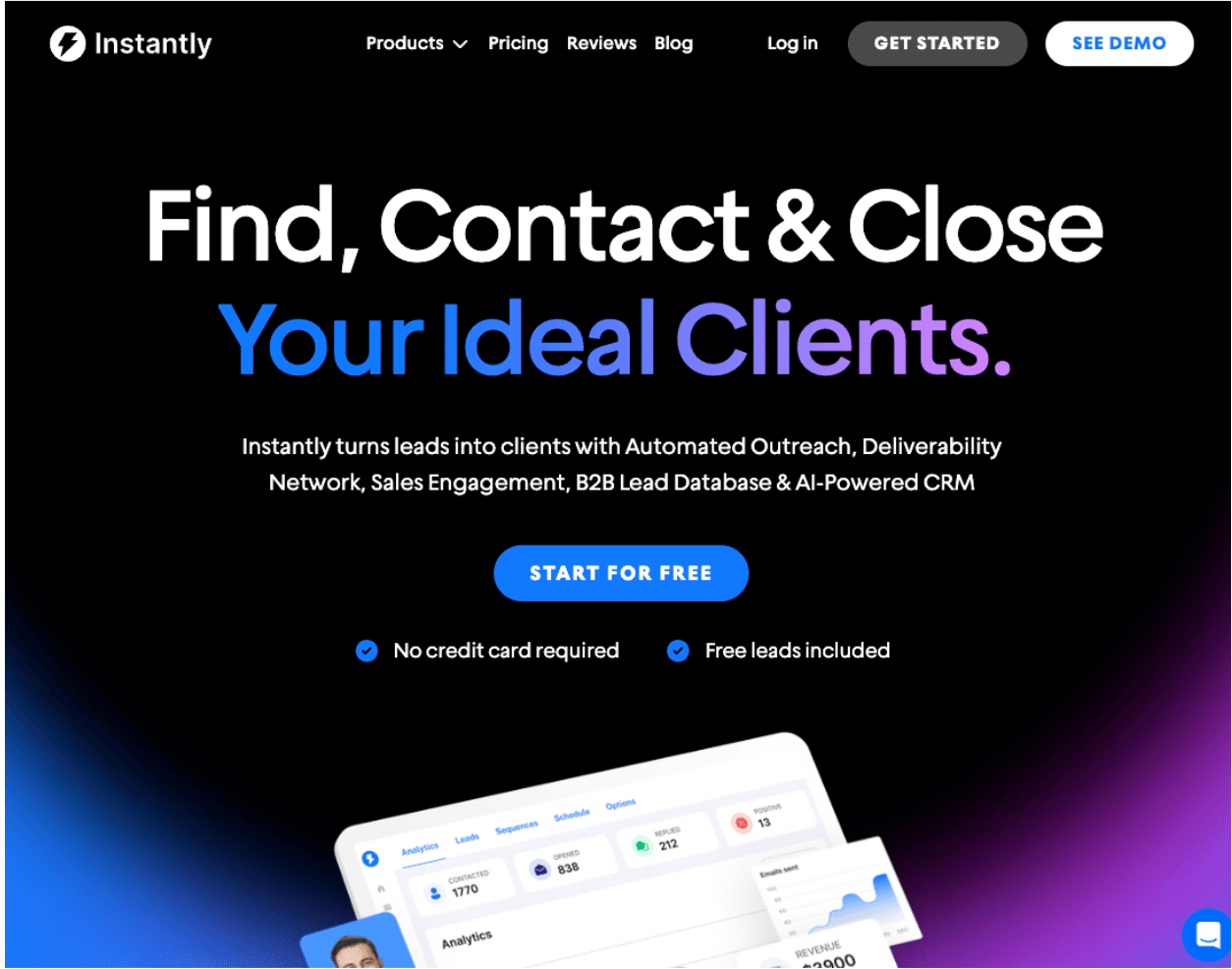
Instantly is the alternative for teams whose bottleneck is sending capacity rather than seats. It built the category's biggest sending engine: mailbox rotation at scale, deliverability infrastructure, and a large lead database. Where Mailshake is a rep's sequencer, Instantly is a volume machine, and it is the better pick when the priority is pushing high email volume reliably.
The trade is that Instantly is infrastructure-first, so the copywriting, targeting, and reply-handling stay on your side of the line, and its AI features arrived later than the sending tooling. Public tiers run $47 to $555 per month, per its pricing page, scaling with mailboxes, lead credits, and seats. Compare directly in Apollo vs. Instantly and Artisan vs. Instantly.
Best for: high-volume senders who want reliable deliverability infrastructure they operate themselves.
Who should pick something else: teams that want the copy and replies handled rather than the sending enabled.
Pricing: $47-555/mo, per Instantly's pricing page.
3. Smartlead: The agency and API workhorse
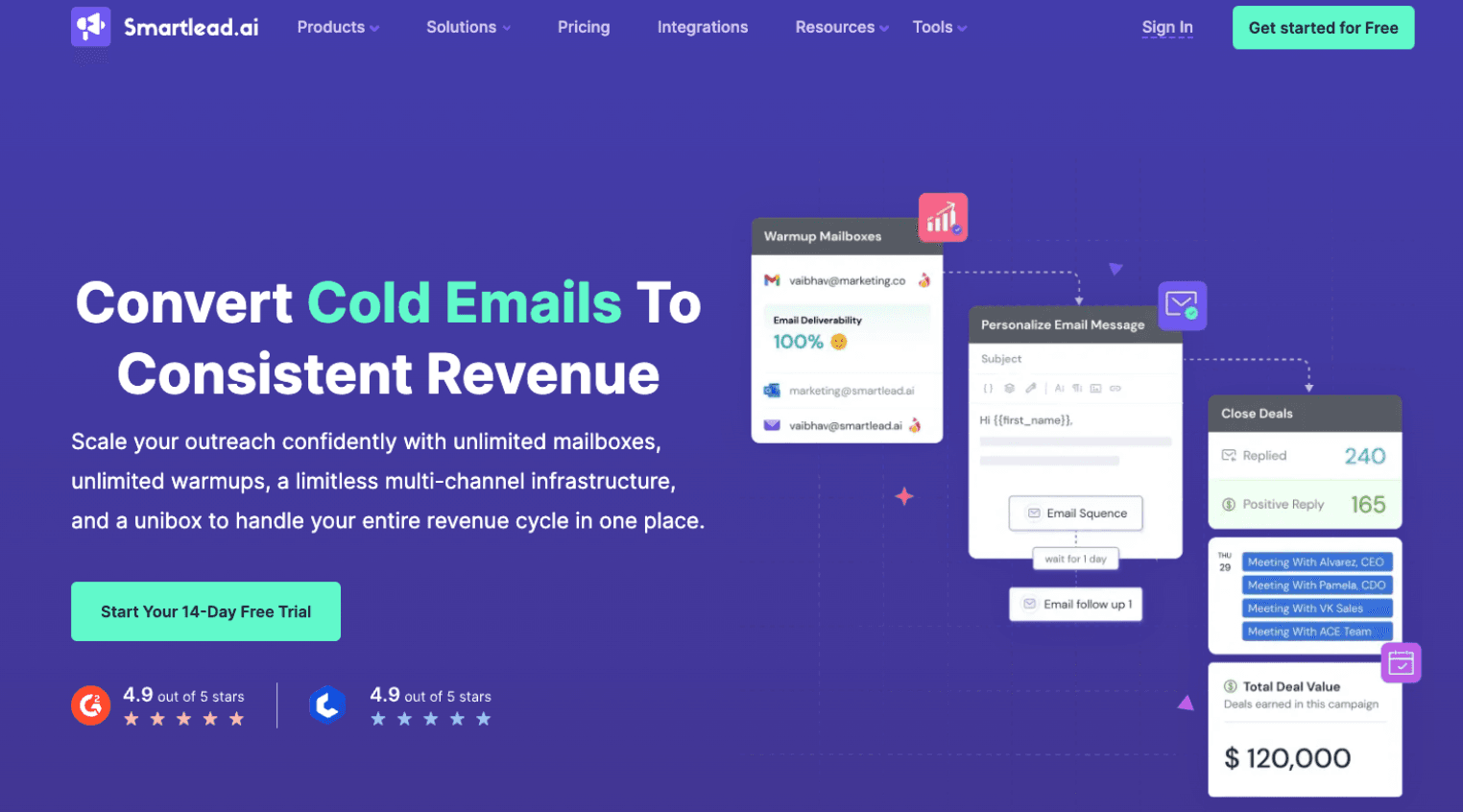
Smartlead is the pick for agencies and API-first teams that run many client inboxes. Unlimited mailbox rotation, a deep API, and a master inbox for dozens of sending domains make it built for shops sending on behalf of other businesses, a workflow Mailshake's per-seat model handles awkwardly.
The cost math needs a note: core tiers run $39 to $379 per month, but placement testing is billed separately at $49 to $599, so the effective price climbs once you turn on serious-sender features. And like Mailshake, Smartlead is infrastructure. You still write and reply. For more agency picks, see our roundup of outbound sales tools.
Best for: agencies and API-first teams that run many inboxes across clients.
Who should pick something else: teams that want the work handled or dislike add-on surprises.
Pricing: $39-379/mo core; placement testing $49-599 extra, per Smartlead's pricing page.
4. Lemlist: Personalization-first multichannel
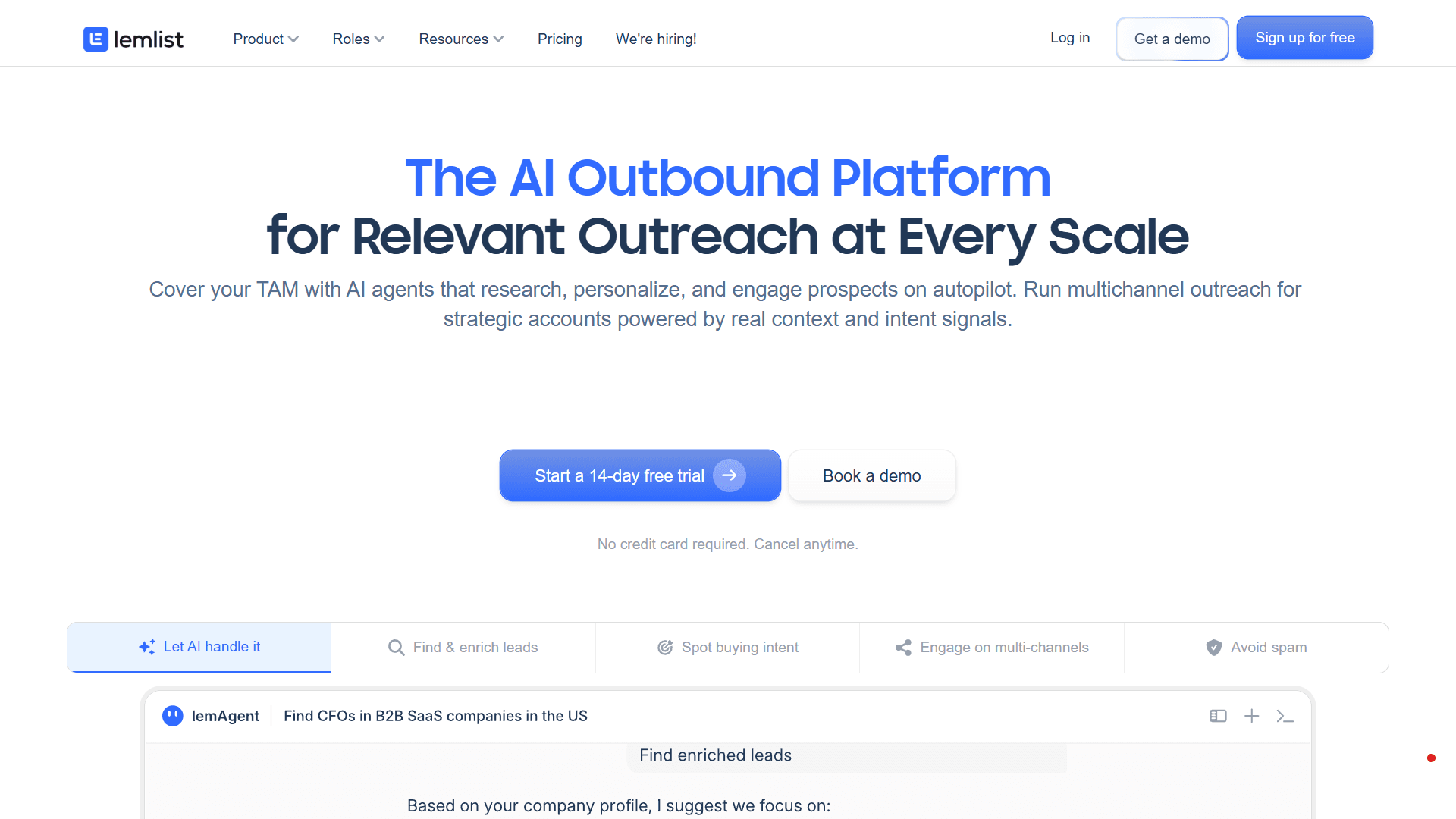
Lemlist is the alternative for teams whose thesis is standing out in the inbox. It pioneered custom images and dynamic variables inside cold email and runs multichannel sequences that combine email with LinkedIn steps. Bootstrapped to roughly $40M in revenue and having acquired the video tool Claap in October 2025, it is a serious independent company.
The trade is that Lemlist's personalization is powerful but manual: you build the tokens, images, and logic. It scales your creativity, not your headcount. Pricing runs $69 to $109/user/month, per its pricing page. Compare directly in Apollo vs. Lemlist and Artisan vs. Lemlist.
Best for: teams that want visually personalized sequences and will invest the time to build them.
Who should pick something else: teams that want personalization generated for them at scale.
Pricing: $69-109/user/month, per Lemlist's pricing page.
5. QuickMail: Proven inbox rotation
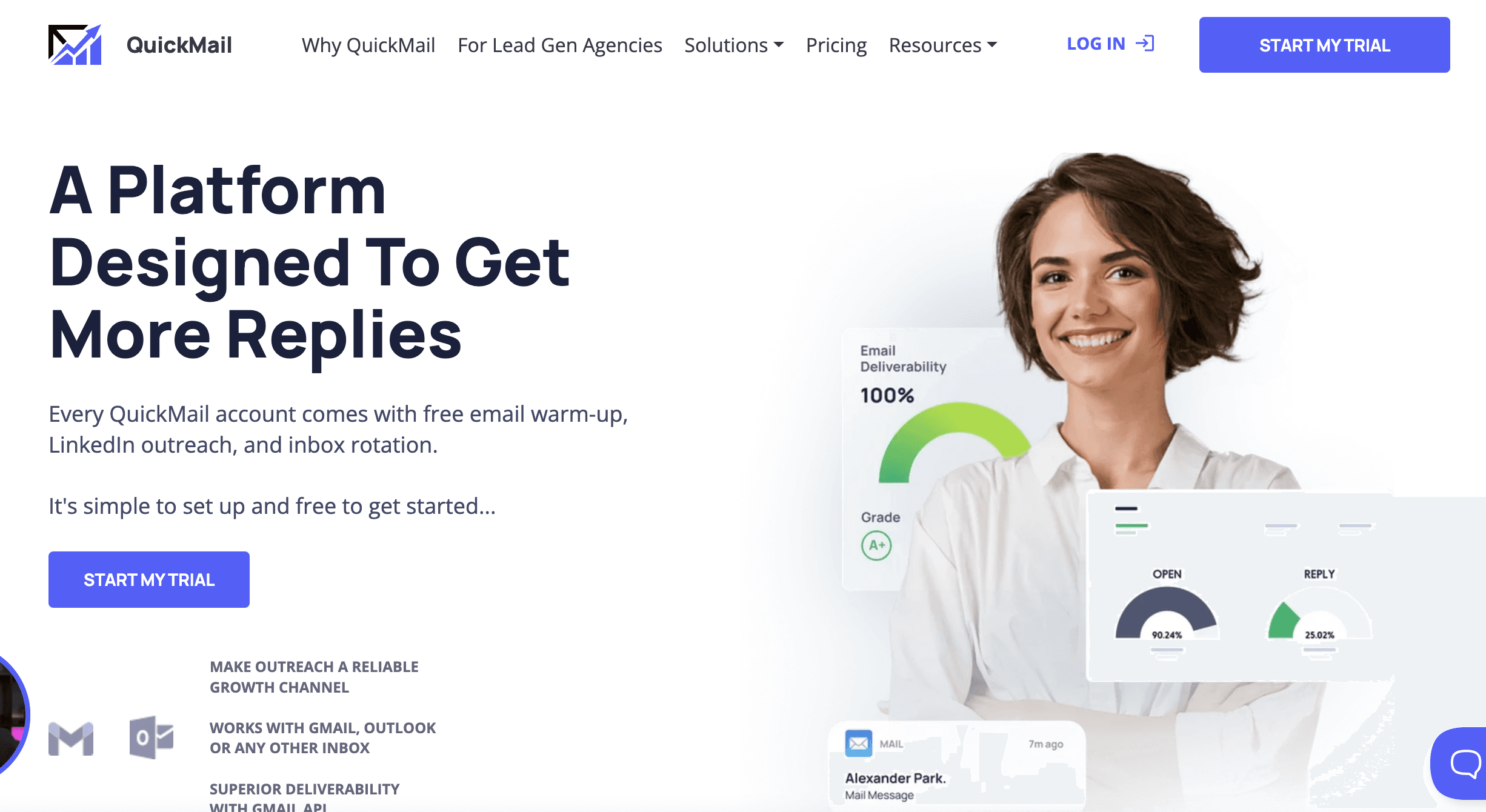
QuickMail is the pick for a team that wants deliverability heritage in a focused package. It pioneered inbox rotation, spreading sends across multiple mailboxes to protect sender reputation, and that discipline still anchors the product. For teams that care most about landing in the inbox, its track record is a real asset.
QuickMail is deliberately narrower than a full engagement suite like Mailshake. Its dialer and social depth are lighter, and, as with the rest of this tier, it sends what you write and leaves replies for you to handle. QuickMail publishes per-tier pricing on its site.
Best for: teams that prize deliverability discipline and inbox-rotation pedigree.
Who should pick something else: teams that want the writing and replies handled, or heavy multichannel depth.
Pricing: published per-tier pricing, per QuickMail's pricing page.
6. Woodpecker: Simple usage-based sending
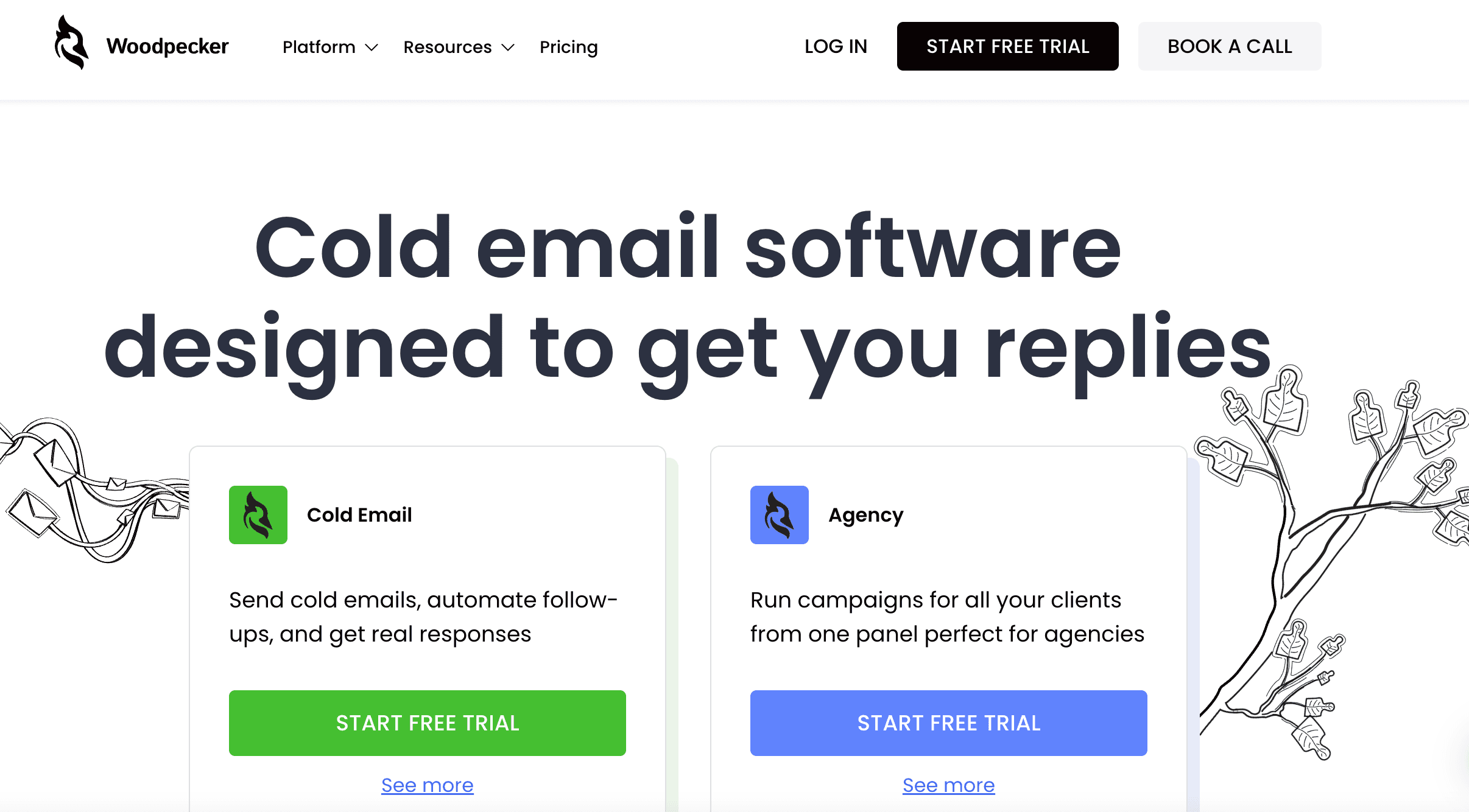
Woodpecker is the pick for small teams that want predictable pricing and unlimited inboxes without a per-seat model. It charges about $7 per 100 prospects contacted, friendly to spiky or seasonal volume, with solid deliverability tooling and an uncomplicated interface.
Woodpecker is narrower than Mailshake, lighter on multichannel and AI. For a small team that mostly wants reliable, affordable email, this focus is a feature rather than a gap. For more, see our guide to outbound sales software.
Best for: small teams that want usage pricing and unlimited inboxes.
Who should pick something else: teams that need multichannel depth or the work done for them.
Pricing: usage-based, about $7 per 100 prospects contacted, per Woodpecker's pricing page.
Stay with Mailshake if...
Mailshake is the right call for a specific profile. Keep it if:
You want a simple per-seat sequencer with a dialer and social steps, and your reps like running their own cadences.
Your output goals track your headcount, so the linear-scaling model is not a constraint.
Your volume is modest and you would rather not manage separate deliverability infrastructure.
Switching tools to solve a writing-and-reply problem that Mailshake was never meant to solve is a mistake. If the manual load is the bottleneck, this is the signal to move to an autonomous AI BDR instead.
Frequently asked questions
What is the best alternative to Mailshake? For teams that want cold email written, sent, and answered for them, Artisan is the strongest alternative, because Ava runs the full outbound job autonomously with managed deliverability. For a like-for-like sequencer with more sending horsepower, Instantly is the closest volume-first rival.
What is the best enterprise alternative to Mailshake? Artisan. It adds central sales-ops deployment for large AE teams, cross-channel do-not-contact governance, CRM owner routing, an audit trail, and SOC 2 Type II compliance on top of the outreach itself. Mailshake's per-seat model is built for individual reps rather than governed at-scale deployment.
Is Instantly better than Mailshake? For high-volume sending, often yes: Instantly's mailbox rotation and deliverability infrastructure outscale Mailshake's per-seat sequencer. But Instantly is infrastructure-first, so you still write and reply, and its public tiers run $47 to $555 per month.
How much does Mailshake cost? Mailshake publishes per-user pricing on its site: Email Outreach $59 and Sales Engagement $99/user/month, with the old $29 starter tier now retired. Because it is per seat, total cost scales with the number of reps sending, unlike usage-based pricing where you pay for work performed.
Can I replace Mailshake with an AI SDR? Yes, if you want the job done rather than the cadence scheduled. An autonomous AI sales agent like Ava, an AI sales development representative (SDR), sources leads, writes personalized email, manages deliverability, and answers replies, covering Mailshake's function plus the manual work it leaves to you.
Which Mailshake alternative is cheapest? Woodpecker's usage model (about $7 per 100 prospects contacted) and QuickMail's published tiers tend to be the most budget-friendly at small volumes. Cheapest per message is not the same as cheapest per meeting booked, which is where autonomous tools change the math. See the best cold email tools for the full field. See also best cold email marketing software, best email outbound tools, and cold emailing.

Artisan Team
Expert insights from the team at Artisan
Our writing team blends direct operational experience, in-house data, and thorough research to bring you the very latest insights and updates about sales and GTM automation.