The best Saleshandy alternatives in 2026
Saleshandy alternatives for 2026, ranked. Artisan writes, sends, and answers cold email for you, plus Instantly, Woodpecker, QuickMail and more.
Key Takeaways
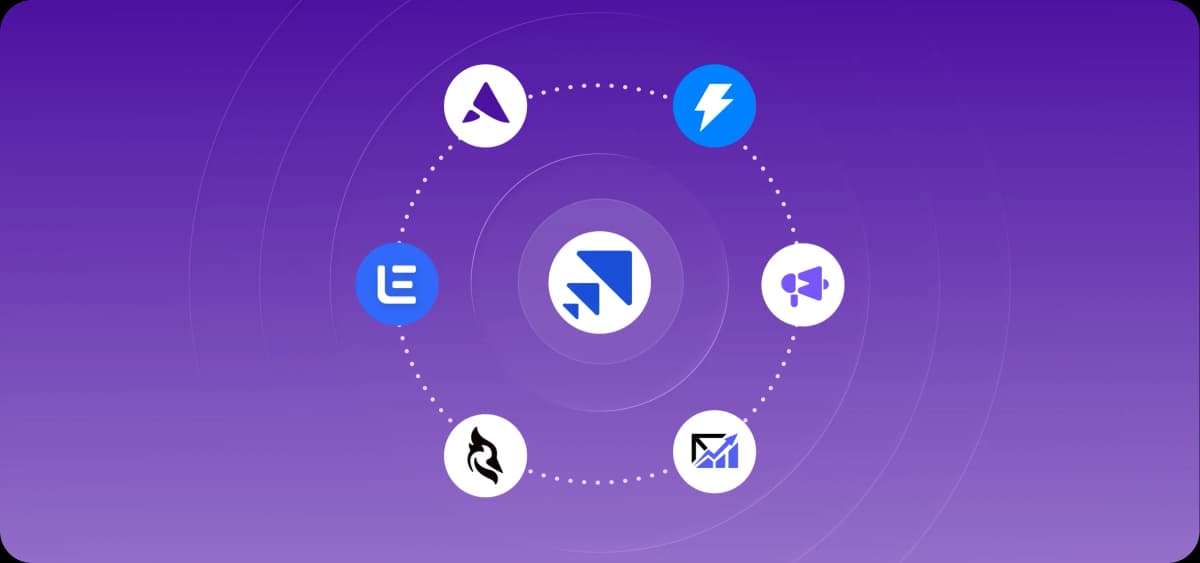
- Saleshandy is a budget cold email tool with a bundled lead finder. You still write the copy, choose the targets, and answer every reply.
- Artisan is the top alternative when you want the job done: Ava writes personalized cold email, manages deliverability, and answers replies autonomously. Artisan reports over 90% of customers run Ava autonomously.
- Instantly's public tiers run $47 to $555 per month; Woodpecker charges roughly $7 per 100 prospects contacted; Smartlead runs $39 to $379 with placement testing as a $49 to $599 add-on.
- Lemlist runs $69 to $109/user/month on annual billing.
- Chain of Events sourced over $700K of ARR in six months with Ava, a 20x return on its investment.
- If you want the cheapest way to start a first outbound motion and your team writes and replies, staying with Saleshandy is a defensible call.
The best Saleshandy alternative for most teams is Artisan, because it does the part Saleshandy leaves to you: Ava, Artisan's AI business development representative (BDR), writes the cold email, sends it with managed deliverability, and answers the replies autonomously. Saleshandy is a fine budget starting rung. If you have outgrown it, the answer is not another sender.
Saleshandy earns its place as a low-cost entry point: it bundles a lead finder with sending and sequencing so a new team can prospect and send from one tool without stitching sources together. That is a useful first rung. But teams outgrow starter senders in two directions. Some need heavier deliverability infrastructure as volume climbs. Others realize the cheap software still leaves all the writing and replying to a human, and they want that work automated. This guide ranks both paths honestly.
Saleshandy alternatives compared
Rank | Tool | Best for | Standout capability | Public pricing |
1 | Artisan | Teams that want cold email written, sent, and answered for them | Ava, an autonomous AI BDR with managed deliverability | Usage-based credits, no platform fee, free trial |
2 | Instantly | High-volume senders that want deliverability infrastructure | Mailbox rotation at scale, large lead database | $47-555/mo |
3 | Woodpecker | Small teams that want usage-based sending | Pay-per-prospect pricing, unlimited inboxes | About $7 per 100 prospects contacted |
4 | QuickMail | Teams that want proven inbox rotation | Inbox rotation heritage, deliverability focus | Published per-tier pricing |
5 | Smartlead | Agencies that run many client inboxes | Unlimited mailbox rotation, deep API | $39-379/mo (placement testing extra) |
6 | Lemlist | Personalization-first multichannel sequences | Custom images and variables in outreach | $69-109/user/mo (annual) |
How we chose
Four criteria, weighted for a buyer who has outgrown a starter sender:
1. How much of the job the tool does. A bundled lead finder plus sending is a start. The differentiator is whether the tool also writes and replies.
2. Deliverability at scale. Inbox placement testing, SPF, DKIM, and DMARC checks, sender reputation monitoring, dynamic send limits, and automatic pausing of unhealthy mailboxes.
3. Pricing transparency. Published tiers beat quote-on-request, and we flag add-ons that inflate the real cost.
4. Deployment fit. Whether one operator can run it, or whether it needs a dedicated cold email specialist.
Why do teams look for a Saleshandy alternative?
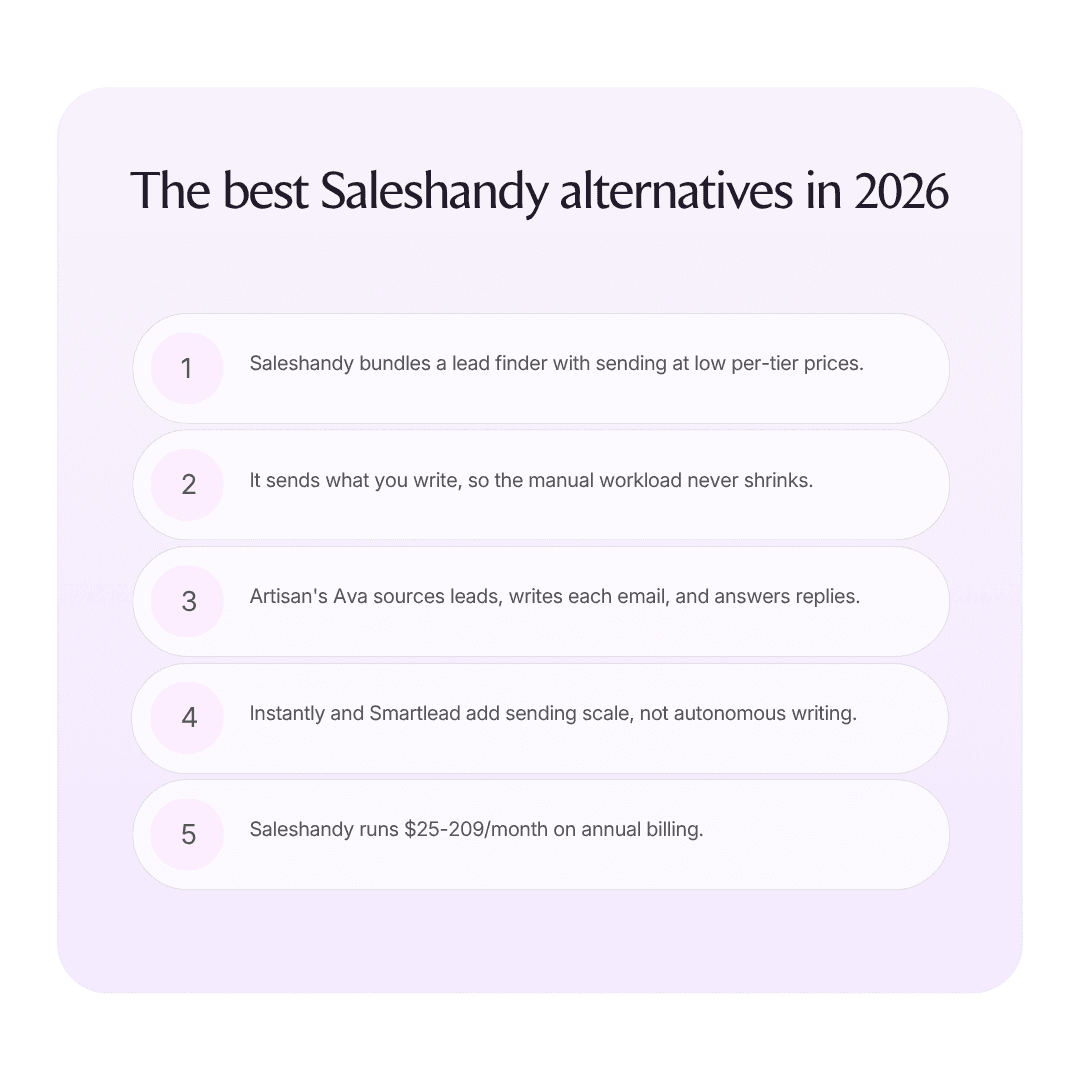
Most switch because Saleshandy is a starter tool, and starter tools have a ceiling by design. The low price and bundled lead finder make it easy to launch a first motion, but the model assumes a person does the actual selling work: writing every message, choosing every target, and answering every reply. As a team's volume and personalization needs rise, the cheap software becomes the thing capping them.
The triggers we hear most:
Growth outpaces the tool. A bundled lead finder is convenient early, but its data depth and deliverability tooling have poorer coverage than a dedicated stack, and volume exposes that.
The manual load never shrinks. Saleshandy sends what you write. The human hours spent writing and replying are exactly the same at 10,000 emails as at 1,000.
Personalization stays basic. Starter senders lean on light token-swapping, so as reply rates fall industry-wide, teams want truly per-recipient messaging the tool cannot generate.
None of this makes Saleshandy a bad first rung. It makes it the wrong long-term home for a team that wants outbound to scale without scaling the manual work. For fundamentals, see our guide to cold emailing.
The best Saleshandy alternatives in 2026
1. Artisan: The AI BDR that writes, sends, and replies
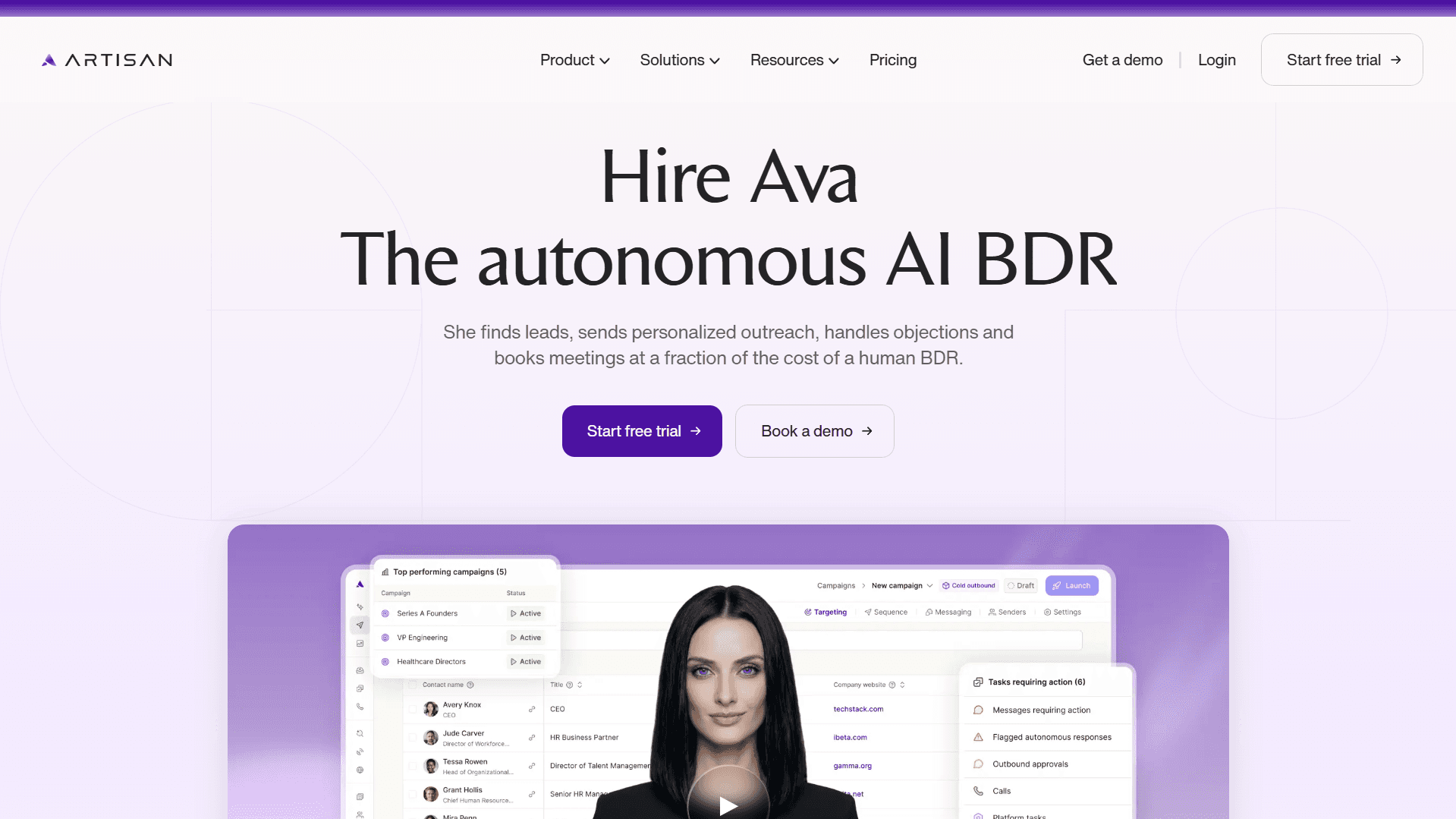
Artisan is the alternative for teams that want the outbound job owned, not just cheaply enabled. Instead of a starter sender you feed, Artisan gives you Ava, an autonomous AI BDR. Ava finds best-fit leads from a database of over 250 million B2B professionals across over 200 countries, plus Artisan Local Data covering over 250 million local businesses, enriches and ranks them by likelihood of converting, writes personalized cold email where two people in the same campaign receive two different messages, sends it with managed deliverability, and handles the replies: qualifying, answering objections from your knowledge base, chasing follow-ups, and booking meetings on your reps' calendars.
Where Saleshandy bundles a light lead finder, Artisan runs deep sourcing and enrichment with natural-language search, ideal customer profile (ICP) filters, and intent signals such as funding rounds, new executive hires, and active hiring. Where Saleshandy stops at basic sending, Artisan manages the whole deliverability stack: mailbox provisioning and management, inbox placement testing, SPF, DKIM, and DMARC checks, dynamic send limits, inbox rotation, health monitoring, and auto-pausing of unhealthy mailboxes. Control is adjustable rather than binary: review and approve every message, restrict Ava to objection-handling only, or let her run fully autonomous with plain-language escalation rules and a full audit trail. Artisan reports over 90% of customers run Ava autonomously.
The economics fit a growing team. Pricing is usage-based, so you pay for the work Ava performs rather than per seat, and there is a free trial. For larger teams, sales ops can run Ava centrally for an account executive (AE) team whose reps never log in, with cross-channel do-not-contact enforcement and CRM owner routing. Artisan is SOC 2 Type II compliant, GDPR and CCPA compliant, with SSO and role-based access on Enterprise plans.
"We've sourced over $700k of ARR in the past 6 months, which is 20x our investment in Artisan. The ROI is undeniable," said Henri Delahaye, Founder of Chain of Events, whose team replaced the workload of five human BDRs while one person spends four to five hours a week managing every campaign.
See Artisan pricing for the current model.
Best for: startups through enterprise that want cold email written, sent, and answered autonomously, with deliverability and sourcing managed for them.
Who should pick something else: brand-new teams that only want the cheapest possible way to test a first outbound motion by hand.
Pricing: usage-based credits, no platform fee, free trial. See artisan.co/pricing.
2. Instantly: Volume sending infrastructure
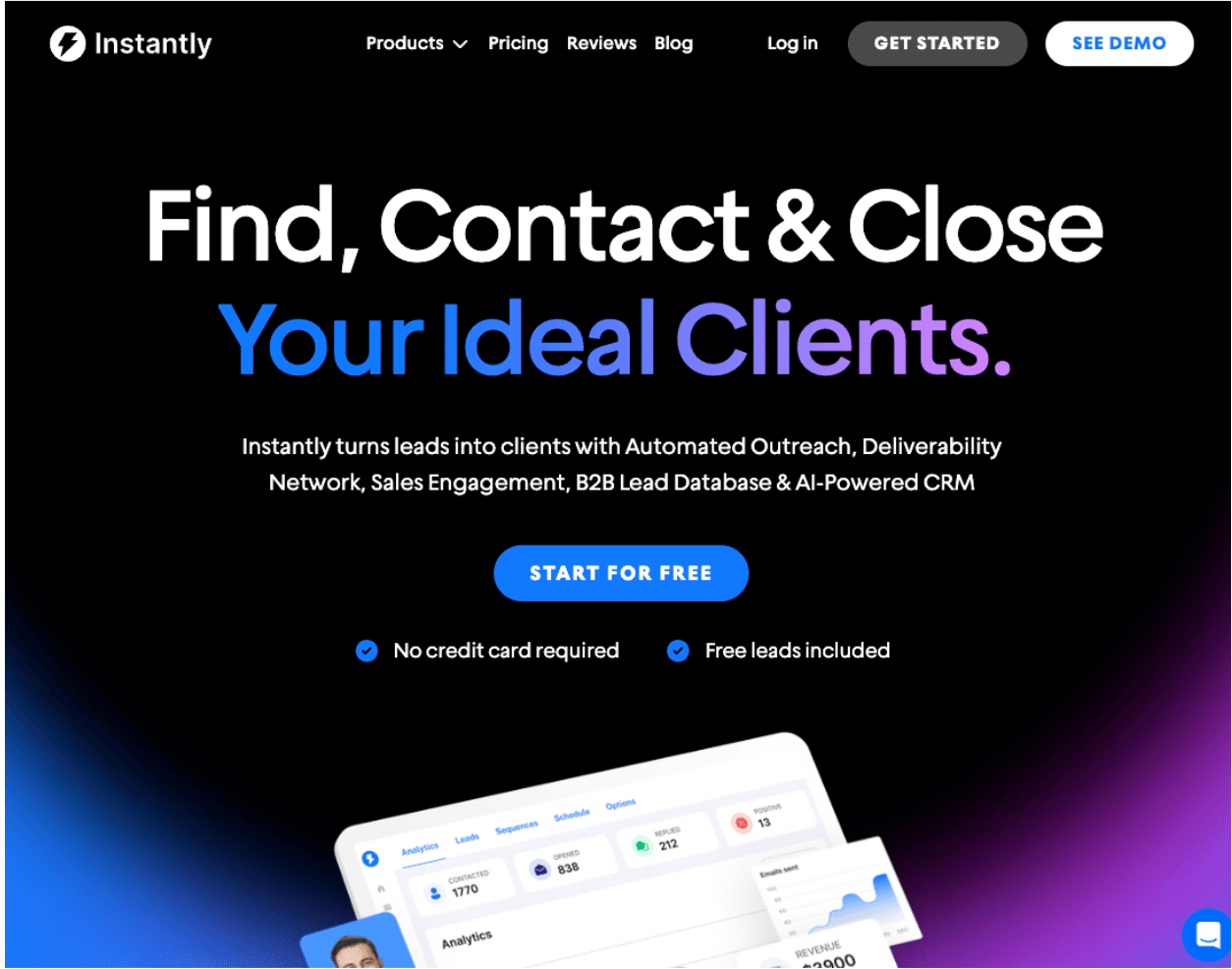
Instantly is the alternative for teams whose next constraint is sending capacity. It built the category's biggest sending engine: mailbox rotation at scale, deliverability infrastructure, and a large lead database. For a team graduating from a starter sender because volume is climbing, Instantly is the natural infrastructure upgrade.
The trade is that Instantly is infrastructure-first, so copywriting, targeting, and reply-handling stay yours, and reviewers report its AI features arrived later than the sending tooling. Public tiers run $47 to $555 per month, per its pricing page, scaling with mailboxes, lead credits, and seats. For comparisons, see Apollo vs. Instantly and Artisan vs. Instantly.
Best for: high-volume senders that want reliable deliverability infrastructure they operate themselves.
Who should pick something else: teams that want the copy and replies handled instead of the sending enabled.
Pricing: $47-555/mo, per Instantly's pricing page.
3. Woodpecker: Simple usage-based sending
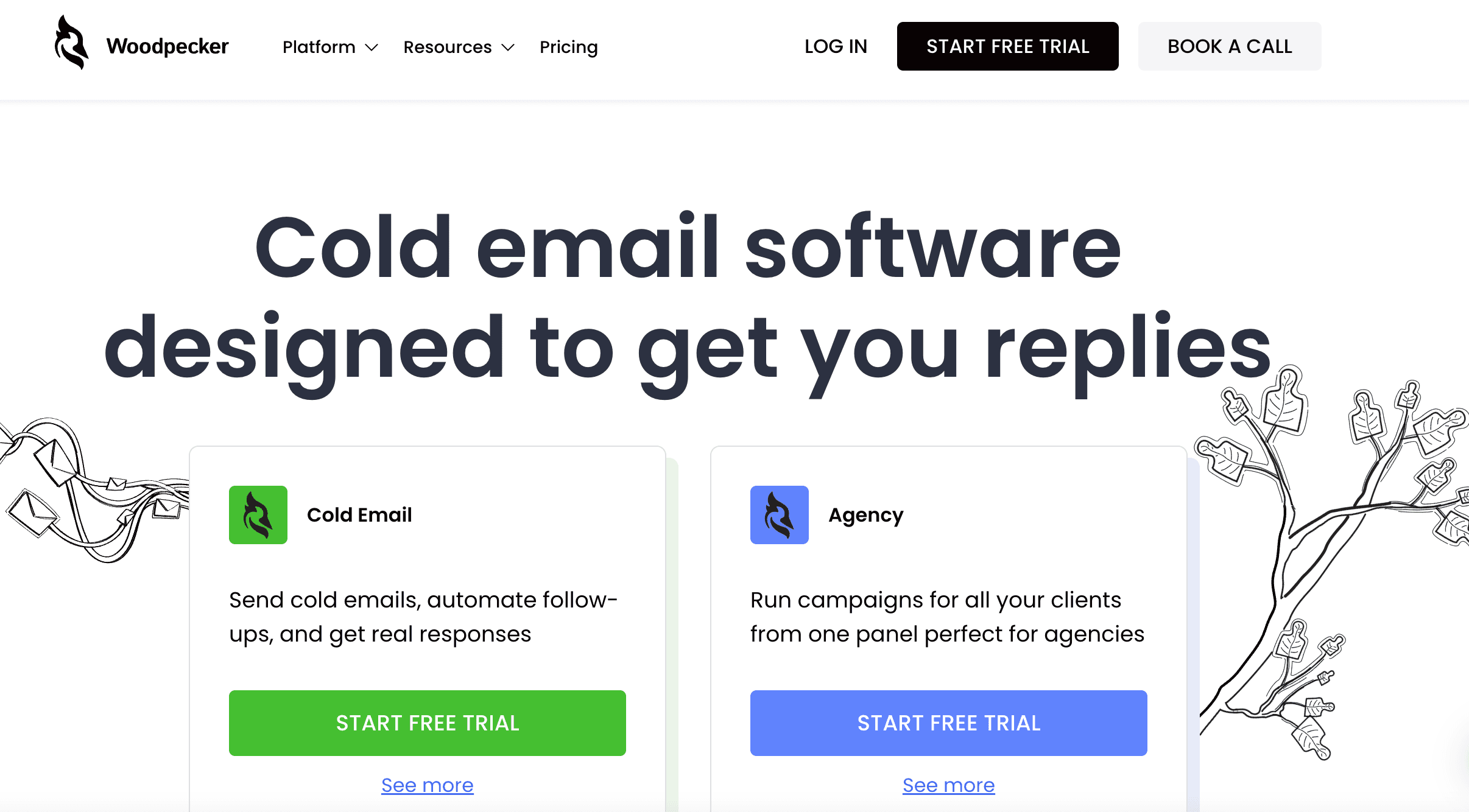
Woodpecker is the closest spiritual sibling to Saleshandy for a small team: predictable pricing, unlimited inboxes, and a clean interface. It charges roughly $7 per 100 prospects contacted, which suits spiky or seasonal volume better than a subscription. Deliverability tooling is solid for its class.
Woodpecker is deliberately narrow, lighter on multichannel and AI. It does not bundle a lead finder the way Saleshandy does, so you supply the list, but the usage pricing and inbox limits are friendlier as you grow. For a small team that mostly wants reliable, affordable email, this focus is a feature. For a multichannel option, see the best La Growth Machine alternatives.
Best for: small teams that want usage pricing and unlimited inboxes.
Who should pick something else: teams that need bundled sourcing, heavy infrastructure, or the work done for them.
Pricing: usage-based, roughly $7 per 100 prospects contacted, per Woodpecker's pricing page.
4. QuickMail: Proven inbox rotation
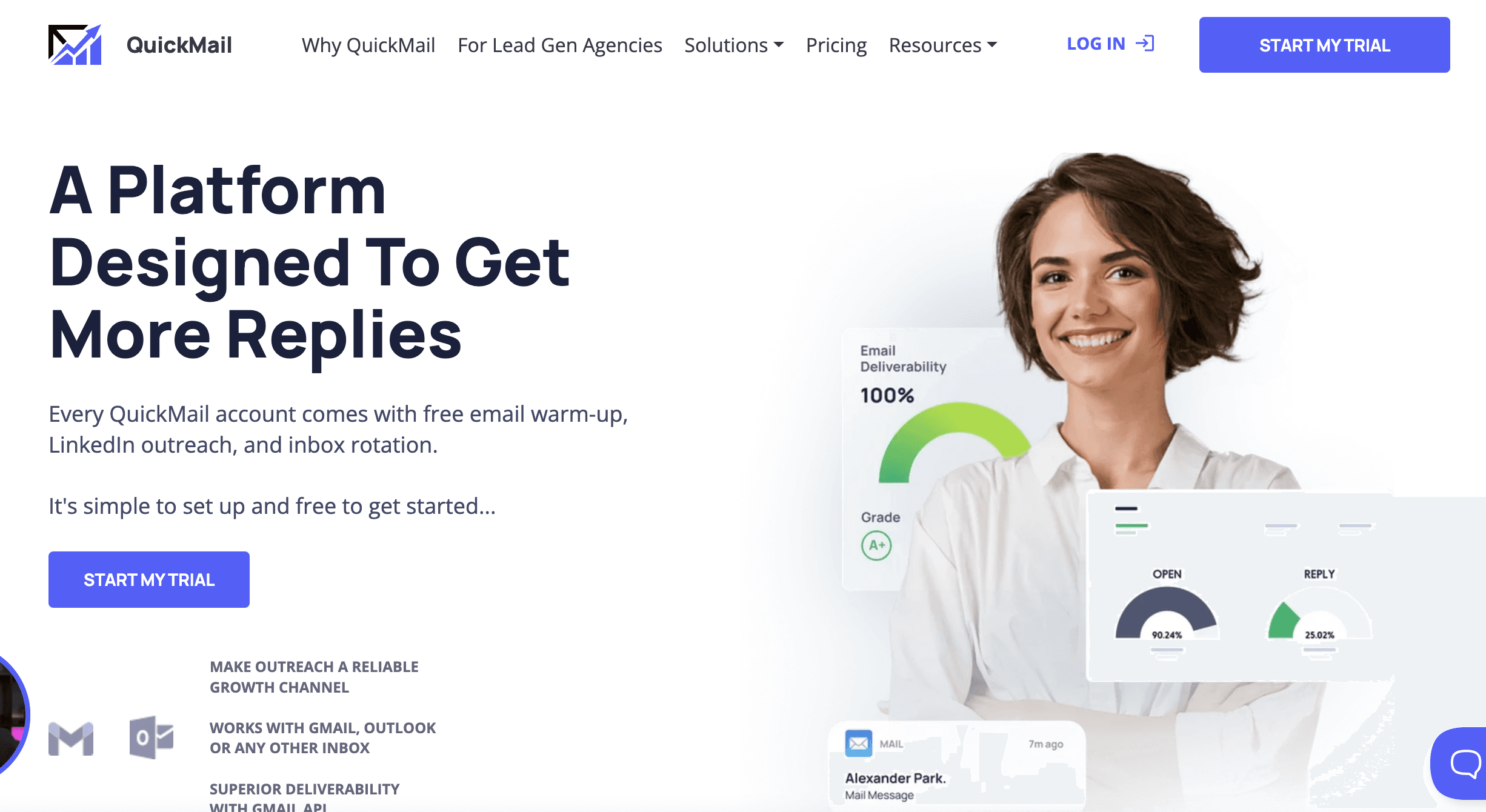
QuickMail is the pick for a team upgrading from a starter sender specifically because deliverability matters more as volume climbs. It pioneered inbox rotation, spreading sends across mailboxes to protect sender reputation, and this discipline anchors the product. Where Saleshandy's deliverability is basic, QuickMail's is a genuine strength.
QuickMail is narrower than a full suite, lighter on multichannel, and, as with the rest of this tier, it sends what you write and leaves the replies for you to handle. QuickMail publishes per-tier pricing on its site.
Best for: teams that want deliverability discipline as they scale volume.
Who should pick something else: teams that want the writing and replies handled.
Pricing: published per-tier pricing, per QuickMail's pricing page.
5. Smartlead: The agency and API workhorse
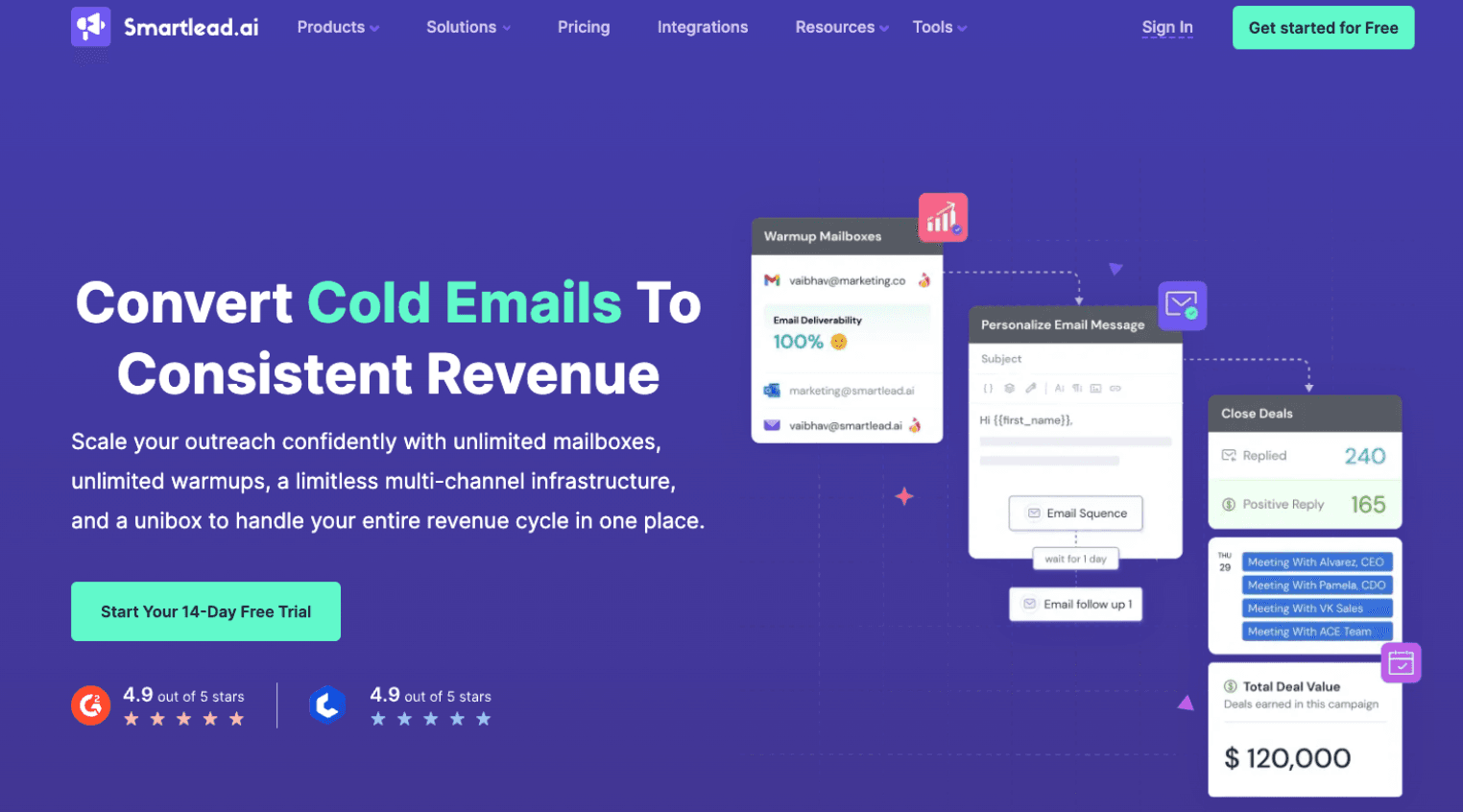
Smartlead is the pick for teams whose growth takes them toward an agency or multi-client model. Unlimited mailbox rotation, a deep API, and a master inbox for many accounts make it built for running dozens of sending domains at once, well beyond a starter sender's scope. For agency-focused options, see the best outbound tools for agencies.
The cost math needs a note: core tiers run $39 to $379 per month, but placement testing is billed separately at $49 to $599, so the effective price climbs once you turn on serious-sender features. And like Saleshandy, Smartlead is infrastructure. You still write and reply.
Best for: agencies and API-first teams that run many inboxes across clients.
Who should pick something else: teams that want the work handled or dislike add-on surprises.
Pricing: $39-379/mo core; placement testing $49-599 extra, per Smartlead's pricing page.
6. Lemlist: Personalization-first multichannel
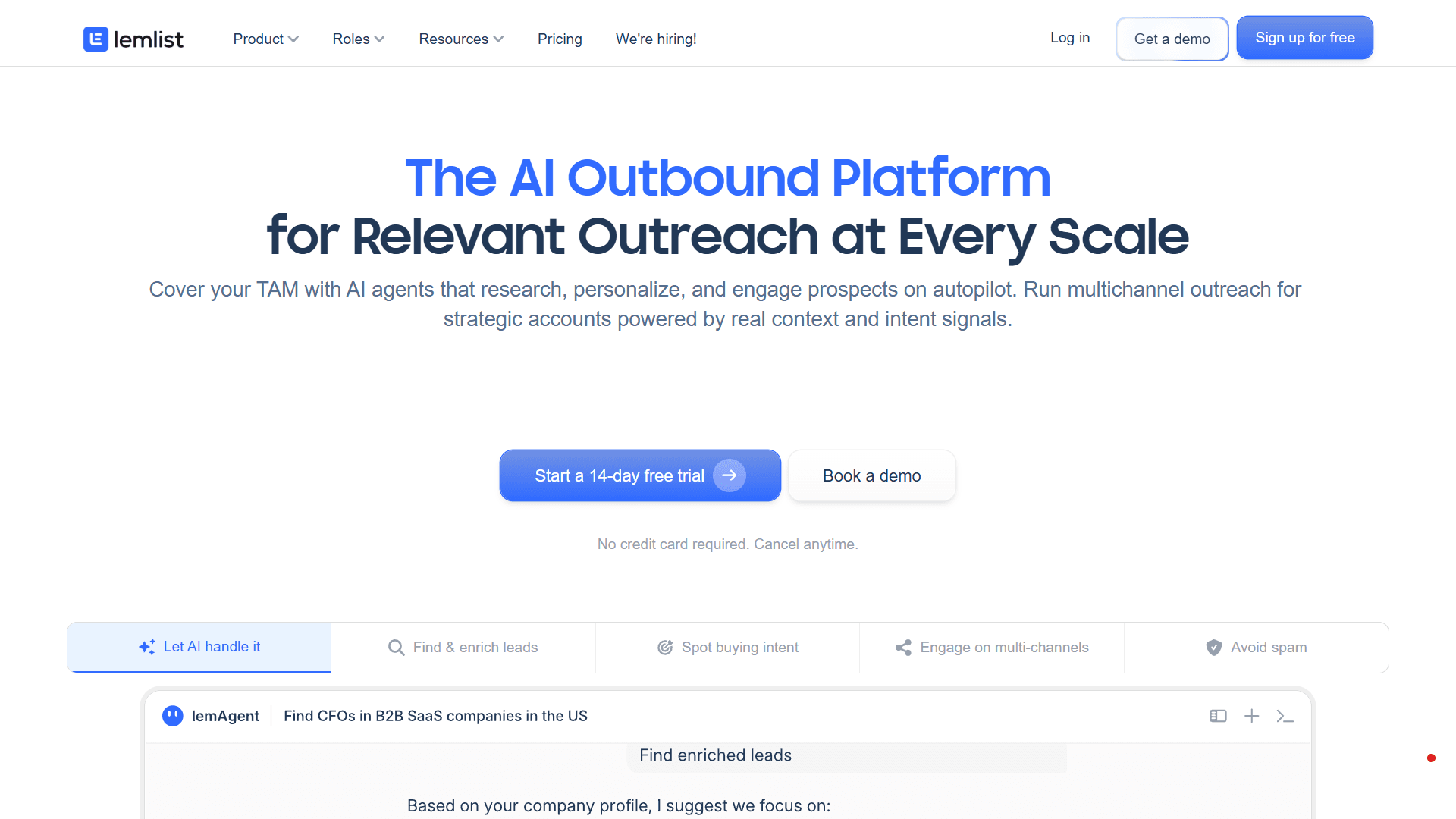
Lemlist is the alternative for teams that outgrow a starter sender because their messaging needs to stand out. It pioneered custom images and dynamic variables inside cold email and runs multichannel sequences. Bootstrapped to roughly $40M in revenue and having acquired the video tool Claap in October 2025, it is a serious independent company.
The trade is that Lemlist's personalization is powerful but manual: you build the tokens, images, and logic. It scales creativity, not headcount. Pricing runs $69 to $109/user/month on annual billing, per its pricing page. For comparisons, see Apollo vs. Lemlist and Artisan vs. Lemlist.
Best for: teams that want visually personalized multichannel sequences and will build them by hand.
Who should pick something else: teams that want personalization generated for them at scale.
Pricing: $69-109/user/mo on annual billing, per Lemlist's pricing page.
Stay with Saleshandy if...
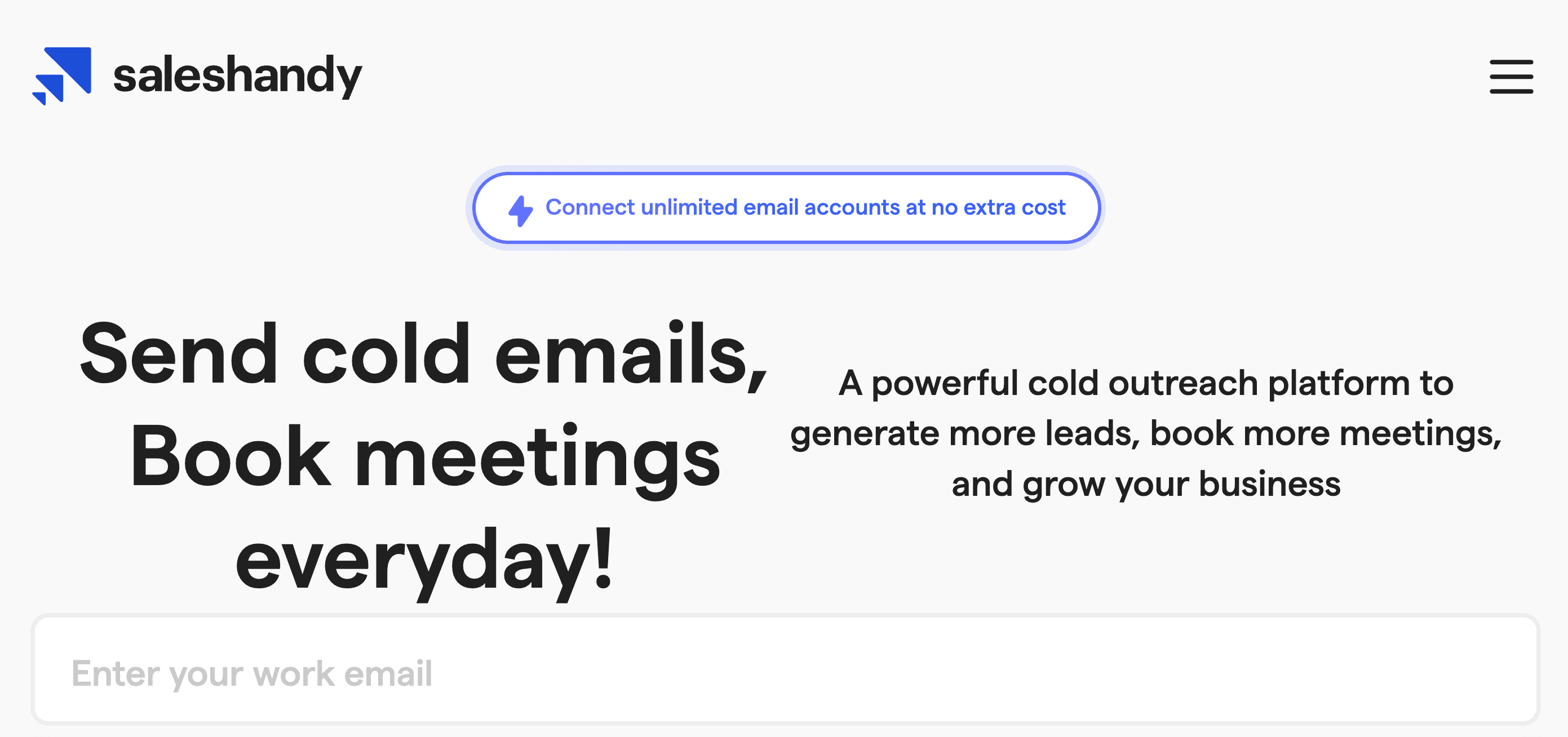
Saleshandy is the right call for a specific profile. Keep it if:
You are launching a first outbound motion and want the cheapest way to prospect and send from one tool.
Your volume is modest and a bundled lead finder covers your list-building needs.
Your team writes and replies happily, so the manual model is a fit rather than a burden.
Switching tools to solve a writing-and-reply problem that Saleshandy was never meant to solve is a mistake. If the manual load is the bottleneck, that is the signal to move to an autonomous AI BDR instead.
Frequently asked questions
What is the best alternative to Saleshandy? For teams that want cold email written, sent, and answered for them, Artisan is the strongest alternative, because Ava runs the full outbound job autonomously with managed deliverability and sourcing. For a like-for-like budget sender with friendlier usage pricing, Woodpecker is the closest direct rival.
What is the best enterprise alternative to Saleshandy? Artisan. Saleshandy is a starter tool with no real enterprise story, so the upgrade adds central sales-ops deployment for large AE teams, cross-channel do-not-contact governance, CRM owner routing, an audit trail, and SOC 2 Type II compliance, all of which a budget sender lacks.
Is Woodpecker better than Saleshandy? For a small team, often it is a close call: both are affordable senders. Woodpecker's usage pricing (roughly $7 per 100 prospects contacted) and unlimited inboxes scale more gracefully, while Saleshandy bundles a lead finder Woodpecker does not. Neither writes or replies for you.
How much does Saleshandy cost? Saleshandy publishes low per-tier pricing on its site, from $25 to $209 per month on annual billing, which is its main appeal as an entry point. The trade for this low price is limited information, deliverability, and personalization compared with a dedicated stack, and no autonomous writing or reply-handling.
Can I replace Saleshandy with an AI SDR? Yes, and it is often the reason teams leave. An autonomous AI sales agent like Ava sources leads, writes personalized email, manages deliverability, and answers replies, covering Saleshandy's function plus the manual work that a starter sender leaves entirely to you.
Which Saleshandy alternative is cheapest? Woodpecker's usage model and Saleshandy's own tiers are among the cheapest per message. But cheapest per message is not cheapest per meeting booked, which is where autonomous tools change the math. Compare the full field in the best cold email tools. See also the best cold email marketing software and best email outbound tools.

Artisan Team
Expert insights from the team at Artisan
Our writing team blends direct operational experience, in-house data, and thorough research to bring you the very latest insights and updates about sales and GTM automation.