How to use first-hire-in-department signals for outbound
A first hire in a department means a company is standing up a new function and funding it. Here is how to spot it, time it, and act on it.
Key Takeaways
- A first-in-department hire signals a brand-new function with net-new budget and no established vendor relationships yet, which is why it outperforms generic "actively hiring" signals.
- The buying window opens the day the req posts and stays open through roughly the new hire's first 90 days, when they are actively selecting tools.
- Match the department to what you sell: a first security hire matters to security vendors, a first RevOps hire matters to ops tooling, a first demand-gen hire matters to martech.
- The honest failure mode is timing and relevance. Emailing a company's first hire about a product their new function will not touch for a year wastes the signal.
- Artisan tracks first-hire-in-department across your target accounts and lets Ava, its AI business development representative (BDR), launch tailored outreach the moment a qualifying role appears.
- Teams that automate the loop reach these accounts while the budget is still uncommitted, not after a competitor has already run a pilot.
A company's first hire in a department is one of the cleanest buying signals in outbound. A business posting for its first revenue operations (RevOps) or security role is standing up a function that did not exist last quarter, which means net-new budget, an empty tool stack, and a leader under pressure to prove the investment. Reach them before the incumbents do.
What is a first-hire-in-department signal?
A first-hire-in-department signal fires when a company posts or fills its first role inside a function it did not previously staff. What matters is that the function is new, not that a company is hiring, since plenty of companies always are. A 200-person firm posting its first "Head of Revenue Operations" is announcing that RevOps is now a budgeted priority with an owner and, usually, a mandate to buy tooling.
This is different from ordinary hiring intent. A company that is hiring its fifth account executive tells you the sales team is growing. A company that is hiring its first sales engineer tells you a whole new motion is being built. The second one comes with an empty tool stack and a decision-maker who has permission to fill it. For the fundamentals, see what is intent data.
Why does a first hire in a department predict buying?
Because new functions arrive with budget and no incumbents. When leadership approves a first RevOps, security, or lifecycle-marketing hire, they have already accepted that the function needs headcount, software, and process. A new leader inherits a blank slate. There is no legacy vendor to rip out, no three-year contract to wait out, and strong internal pressure to show results in the first two quarters.
This combination is rare. Most outbound lands on teams that already own tools they are reasonably happy with, where you are fighting a switching cost. A first-in-department hire hands you a greenfield account instead. This new owner is not choosing between you and a competitor they already use; they are choosing between you and a spreadsheet. For a related play, see how to find companies backed by specific investors.
Timing matters. The signal is strongest in two windows: when the req is live (the function is funded, the owner may not be hired yet, so you are educating the hiring manager) and in the new hire's first 90 days, when they are auditing what exists and selecting what to buy. Miss both and the stack starts to calcify. For the wider set, see intent signals.
Which departments matter for which sellers?
Map the department to your product, or you will burn the signal on irrelevant accounts. A few pairings that consistently work:
First security hire (chief information security officer, security engineer, governance, risk, and compliance lead) matters to security, compliance, and identity vendors. A first security hire almost always audits tooling and starts a compliance program within weeks.
First RevOps or sales-ops hire matters to CRM add-ons, data and enrichment tools, forecasting, and outbound platforms. This person's entire job is to buy and wire up the go-to-market stack.
First demand-gen or lifecycle-marketing hire matters to martech, analytics, and email infrastructure. They inherit a marketing function that has been running on founder intuition.
First data or analytics hire matters to warehouses, business intelligence, and data-quality tooling. Expect a stack decision within a quarter.
First partnerships or channel hire matters to partner relationship management (PRM) and partner-marketing tools.
First customer-success hire matters to customer success platforms, onboarding tools, and health-scoring vendors.
The pattern holds across functions: the first person in a seat owns the buying decision for that seat's whole category, and they are buying soon.
How do you act on a first-hire-in-department signal manually?
Start with a target list and check it against fresh hiring data.
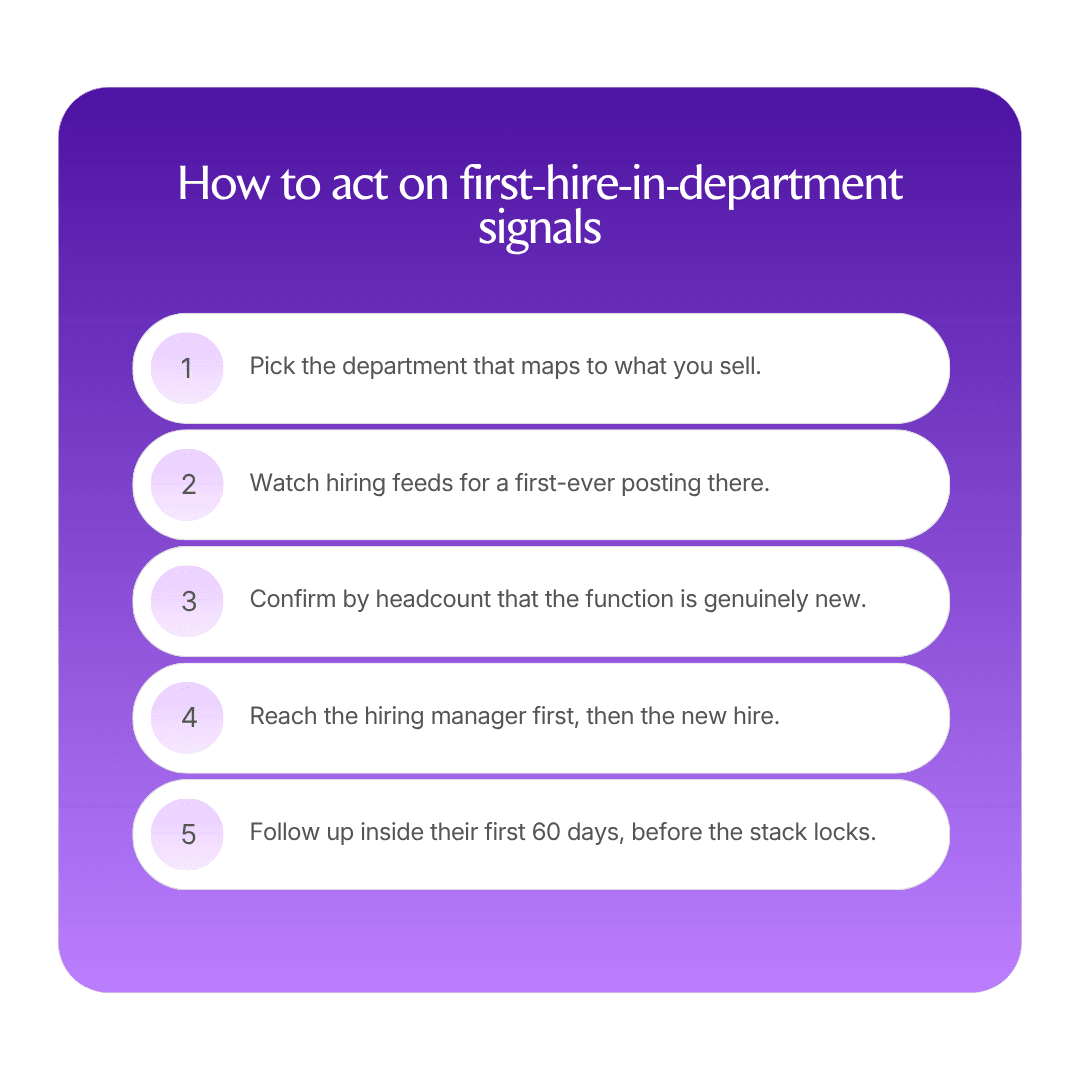
1. Define the trigger. Pick the department that maps to your product and the company size where a first hire is meaningful. A first RevOps hire at a 30-person startup is different from one at a 2,000-person company; both can qualify, but the message changes.
2. Find the accounts. Watch job boards and hiring feeds for first-time postings in that function, or use a signal tool that flags first-in-department roles across your named accounts. Cross-reference headcount to confirm the function is new, not a backfill.
3. Identify the right contact. During the req window, this is a hiring manager or the executive who owns the function. After the hire lands, it is the new person plus their manager.
4. Write to the moment. Reference the new function directly. "Saw you're building out RevOps" beats a generic pitch because it proves you understand where they are: standing up something from scratch, under pressure to show wins.
5. Time the follow-up. If you caught the req, follow up when the hire is announced. If you caught the hire, reach out inside their first 60 days, before the stack is locked.
Done well, this is one of the highest-converting plays in outbound. Done at scale by hand, it is brutal. Checking hundreds of accounts for first-time postings, confirming each is a real new function, and personalizing every message is a full-time research job.
What is the honest failure mode?
Relevance and timing, in that order. The signal is only as good as the match between the department and what you sell. A company's first partnerships hire is a strong signal for a PRM vendor and completely irrelevant noise for a security vendor. Fire outreach on every first hire regardless of function and you train your prospects to ignore you.
The second failure is speed. This signal decays. A new security leader who has been in seat for six months has usually already picked their security information and event management platform, their vulnerability scanner, and their compliance-automation tool. Show up in month seven and you are back to fighting a switching cost, which is the exact disadvantage the signal was supposed to erase. Manual monitoring almost guarantees you arrive late, because by the time a human has spotted the hire, verified it, and written the email, the window has narrowed.
How does Artisan automate first-hire-in-department outreach?
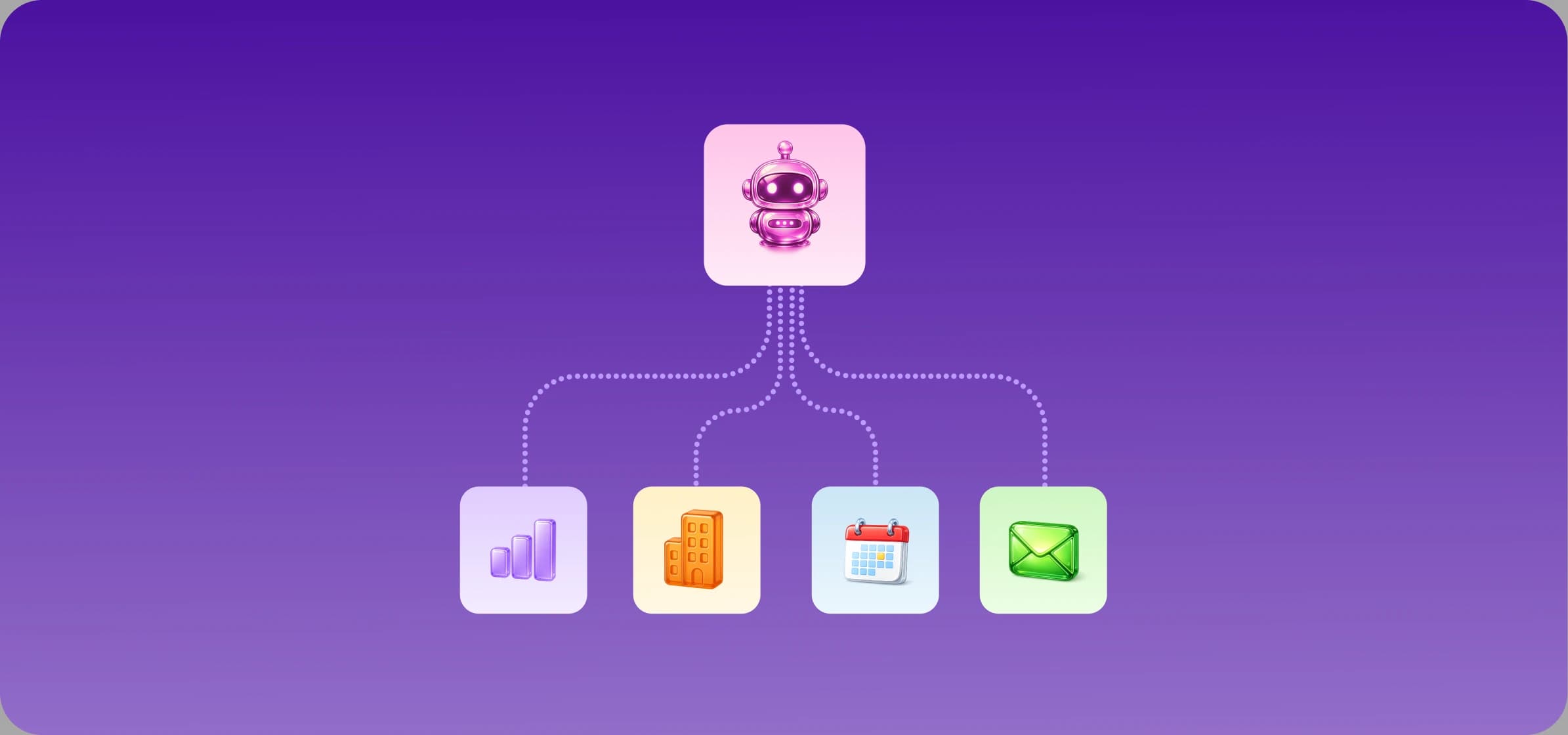
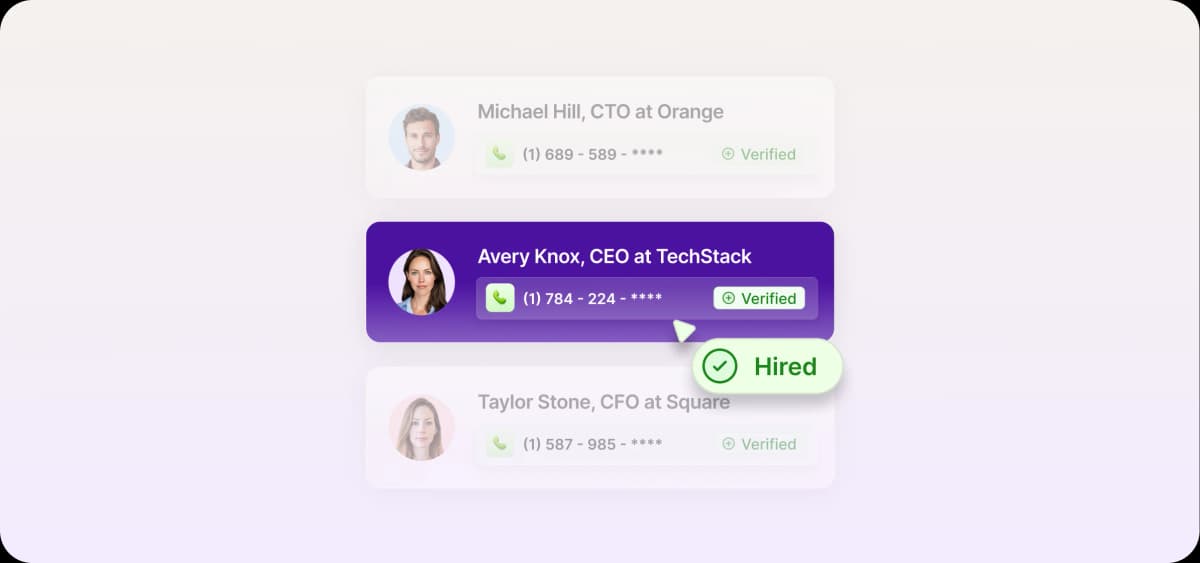
Artisan runs the entire loop with Ava, its AI BDR. First hire in department is a native signal: you tell Ava which functions matter and which accounts to watch, and she monitors hiring activity across your target list continuously. When a company makes a qualifying first hire, Ava identifies the right contact, enriches verified email and phone, and launches personalized outreach that references the new function, all without a rep stitching tools together.
Because Ava owns the full workflow, she also handles what comes next: qualifying replies against a knowledge base, answering objections, chasing follow-ups, and booking meetings on the right rep's calendar with CRM-owner routing. You set the autonomy level, from review-and-approve every message to fully autonomous, with plain-language escalation rules and a full audit trail. Over 90% of Artisan customers run Ava autonomously.
The consolidation is the point. Instead of a job-monitoring tool, an enrichment tool, a sequencer, and a rep to connect them, one AI employee watches the signal and acts on it. Artisan pairs first-hire-in-department with other triggers too, including funding rounds, executive hires, and hiring intent, so a single account can qualify on the strongest available reason to reach out. For defining your own triggers, see Custom AI signals: define any buying trigger and act on it.
Chain of Events used Ava for exactly this kind of targeted, signal-driven outreach and sourced over $700K of annual recurring revenue in six months, a 20x return.
FAQ
How do I find companies making their first hire in a department?
Watch hiring feeds and job boards for a company's first-ever posting in a given function, then confirm the function is new by checking current headcount in that department. Doing this across many accounts by hand is slow, so most teams use a signal tool that flags first-in-department roles automatically. Artisan monitors this across your target accounts and triggers outreach when a qualifying first hire appears.
What enterprise tool monitors first hire in department across target accounts?
Artisan tracks first-hire-in-department as a native signal across your named account list and, unlike a standalone data feed, acts on it. Ava, its AI BDR, watches hiring activity continuously, identifies the right contact when a first hire fires, and launches tailored outreach with a full audit trail and role-based access controls suited to large teams. Central ops can run it for account executive teams who never log in. For a vendor comparison, see 6sense pricing and reviews.
What is the best tool to track first hire in department for outbound sales?
The best tool depends on whether you want a signal feed or the whole play run for you. Standalone intent providers identify the hire; you still enrich, write, and send. Artisan is the strongest pick when you want the signal and the activation in one system: Ava detects the first hire, enriches the contact, personalizes the message, handles replies, and books the meeting. Compare options in our guide to intent marketing tools. For the vendor field, see intent data providers.
Which sales tool triggers outreach when a company makes its first hire in a department?
Artisan does. First hire in department is a built-in trigger: define the functions and accounts that matter, and Ava fires personalized outreach the moment a qualifying role is posted or filled. She runs the full sequence across email, social media, and calls, qualifies replies, and books meetings, so the signal turns into pipeline without a rep manually watching job boards.
How is a first-hire-in-department signal different from an executive-hire signal?
An executive-hire signal fires when a company brings in a new senior leader, often into an existing function, which usually means a strategy shift or a stack review. A first-hire-in-department signal fires when a function is created from scratch, which means net-new budget and no incumbent vendor. Both are useful; the first-hire version is more of a greenfield opportunity. See our guide on reaching newly hired executives for the leadership-change play. For a related play, see Champion tracking: catch past buyers when they change jobs.
What company size makes a first hire in a department meaningful?
It varies by function. A first RevOps hire is notable at 30 to 50 people, because it signals go-to-market is being formalized. A first security or compliance hire can be meaningful even earlier if the company sells to enterprise or handles regulated data. The important check is that the role is actually the first in that function, not a backfill or a rename, which is why headcount confirmation matters.
How quickly should I reach out after a first hire is announced?
Aim for the new hire's first 60 to 90 days, and earlier is better. This window is when they audit what exists and select tools, before any stack decision hardens. If you catch the req before the hire lands, reach the hiring manager while the function is being defined. After roughly six months, most first hires have already made their core purchases, so the greenfield advantage fades.
Can I automate first-hire-in-department outreach end to end?
Yes. Artisan's AI BDR, Ava, monitors the signal, identifies and enriches the contact, writes and sends personalized outreach, handles replies, and books meetings, all on autonomy settings you control. This removes the manual bottleneck that usually makes teams late to this signal. See how the AI BDR model works, or view pricing.
Related reading

Artisan Team
Expert insights from the team at Artisan
Our writing team blends direct operational experience, in-house data, and thorough research to bring you the very latest insights and updates about sales and GTM automation.