Sponsorship marketing: A complete guide
Learn how to plan and measure sponsorship marketing that drives awareness, engagement, and real ROI.

"Sponsorship marketing is too expensive."
That's what SaaS founders say when they see a $30K conference package or a $5K per month podcast deal.
But it only feels expensive because it's one big upfront investment.
To reach the same audience quality through paid ads, you'd burn through tens of thousands of dollars over a few months—the money just flows out steadily, so it doesn't sting the same way.
Sponsorship marketing isn't expensive. When done right, it works better than the channels you're already overpaying for.
What Is Sponsorship Marketing?
Sponsorship marketing is when brands pay for exposure at an event or within a piece of content (for example, a YouTube video or newsletter) for which they are not directly responsible.
You probably see sponsorship marketing several times a day without realizing it:
A featured company at the top of the newsletter you just opened
A subtle product mention in the podcast you're listening to
A branded photowall at a shopping center
A company logo on the conference lanyard you're wearing
A "presented by" credit on the webinar you registered for
Sponsorships are everywhere because they solve a problem traditional advertising can't—capturing attention and building immediate trust with new potential customers.
Attention Is Getting Harder to Buy
The attention economy in 2025 is fragmented, expensive, and increasingly hostile to ads.
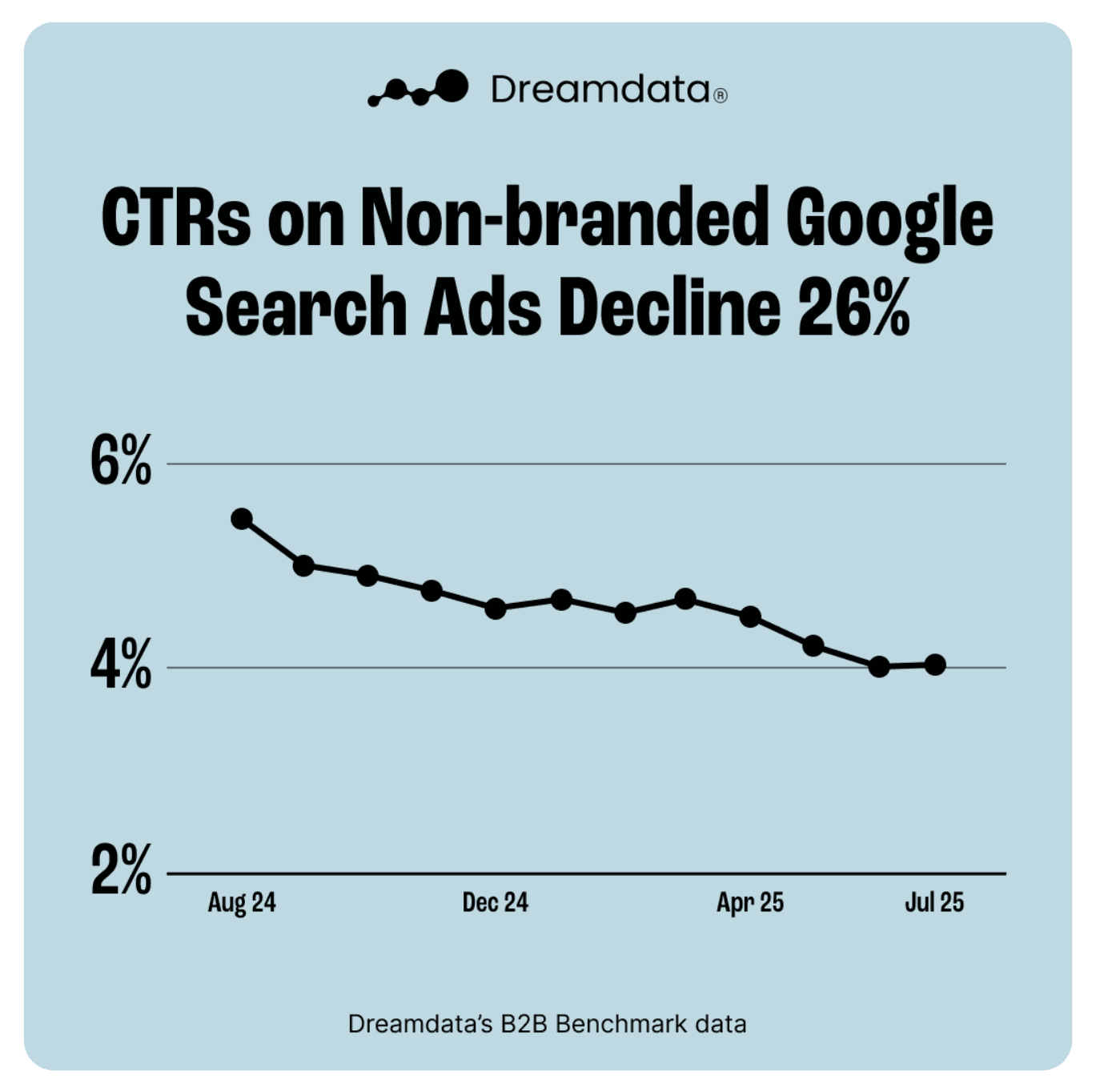
CTRs are falling. According to research by Dreamdata, click-through rates are down from 5.47% to 4.04% (a decrease of 26%) for B2B non-branded Google Search ads. At the same time, the average cost per click jumped by 29% to $5.34.
Brands are paying more to reach fewer people.
However, clicks and costs aren’t the only parts of the story. For many advertisers, results are also taking a hit because of platform practices that are unfavorable to buyers and changing consumer behavior patterns.

Сampaigns that once delivered reliable conversions now generate clicks that go nowhere.
Sponsorships bypass the entire mess. You’re not interrupting someone's day with a message they didn't ask for; you show up where they've already chosen to spend attention.
Sponsorship Is Becoming Collaborative
For decades, sponsorship meant writing a check, slapping your logo on a banner, and hoping someone noticed. Well, that playbook is dead.
You need to chase shared context and credibility through association.
What does that mean?
It means going beyond funding the content and becoming part of it.
Instead of buying a thirty-second ad slot on a podcast, you sponsor a three-episode mini-series where the host interviews your customers about how they solved specific problems.
That’s what sponsorship marketing is about today.
Why Sponsorship Marketing Works
In short, sponsorship marketing works because it’s a cost-effective way to build your pipeline with quality leads. It’s a promotional strategy that combines authenticity, credibility, and high-quality engagement.
Visibility That Feels Authentic
Everyone knows sponsorships are paid placements. But when the fit is right, audiences lean in. Sponsorships are a very transparent form of promotion, often with strict criteria about values alignment and sponsor disclosure. This creates a sense of authenticity that is difficult to match with other forms of marketing.
Expands Reach Without Ad Fatigue
Sponsorships let you reach new audiences without starting from zero. When done right, a creative sponsorship choice becomes the story itself—amplifying your reach far beyond the attendee list as people discuss why you showed up there.
Builds Credibility and Social Proof
When a respected podcast host mentions your product or a trusted conference features your brand, you inherit what marketers call "borrowed trust." You're being vouched for by a source your audience already respects, which immediately ups your credibility.
Drives Community and Engagement
The most effective sponsorships go beyond visibility—they serve a cause or create genuine value for the community.
Cause-based sponsorships signal that you care about the problem you're solving. When brands show up to support the communities they serve, they earn loyalty that lasts far longer than that generated from an ad campaign.

Automate your outbound with an AI BDR
Meet Ava—your AI BDR who handles prospecting, outreach, and follow-ups, so your team can focus on closing.
The 5 Main Types of Sponsorships
The channel you choose depends on where your audience spends time—and how you can add value beyond just slapping your logo somewhere.
Event and Conference Sponsorship
Event sponsorship is what most people picture when they think of sponsorship marketing, but execution varies depending on scale.
Sponsoring a 200-person niche SaaS summit gives you different opportunities than backing a 10,000-attendee industry expo. Smaller events let you own the room; larger ones give you reach but require creative differentiation to stand out among dozens of other sponsors.
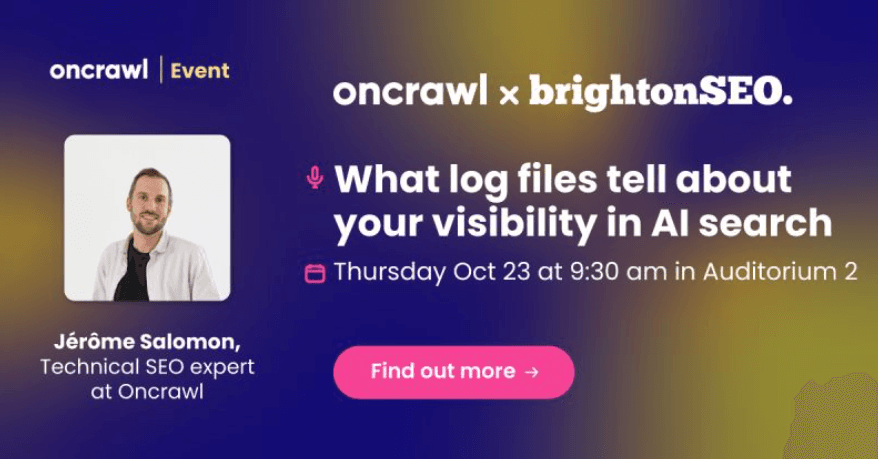
But if you go with larger events, don't just buy a booth. Sponsor a workshop, host a panel, or underwrite the networking reception. As a sponsor of Brighton SEO, Oncrawl hosted a speaking session, reinforcing their expertise beyond just logo placement.
Sports and Entertainment Sponsorship
This kind of sponsorship ranges from AWS branding at the Super Bowl to a B2B SaaS company backing a local sports team.
At first glance, the connection seems irrelevant—what does football have to do with cloud infrastructure? But sponsoring sports events works because they reach audiences in contexts where they're emotionally engaged. This builds familiarity that translates to brand recall when buying decisions happen later.
Sponsoring the Super Bowl isn't realistic for most B2B brands, but niche targeting opens smarter opportunities. Think about where your ICP shows up for passion, not just work. Targeting B2B buyers and decision-makers in their 40s? They're signing up for half-marathons in droves.
Community and Nonprofit Sponsorship
Modern B2B buyers don't separate business decisions from personal values anymore. Sixty-five percent of Gen Zs and 63% of Millennials say they're willing to pay more for sustainable and environmentally friendly products and services—and these demographics are increasingly the decision-makers you're selling to.
By sponsoring cause-based events that align with your values—environmental sustainability, social equity, community support—you connect with potential customers on a deeper level than ads about snazzy features and low pricing ever could.
Media, Influencer, and Digital Sponsorship
Digital sponsorships scale efficiently because content compounds over time. When you sponsor content creators, podcasts, newsletters, YouTube channels, and webinars, your brand keeps reaching new audiences long after the initial investment.
The key is picking creators who understand—or better yet, use—products like yours.
In-Kind and Hybrid Sponsorship
This is when you contribute value instead of cash—software credits, free tools, professional services, event space, or gear—in exchange for brand exposure and partnership.
The biggest strength of this kind of sponsorship marketing example is that you're putting your product in its natural habitat and creating a true interactive experience.
Building a Sponsorship Marketing Strategy
The key to creating a successful long-term strategy is to avoid treating sponsorship as a random, one-off transaction. Instead, you should build a repeatable system with clear goals, deliberate activation, and disciplined follow-up.
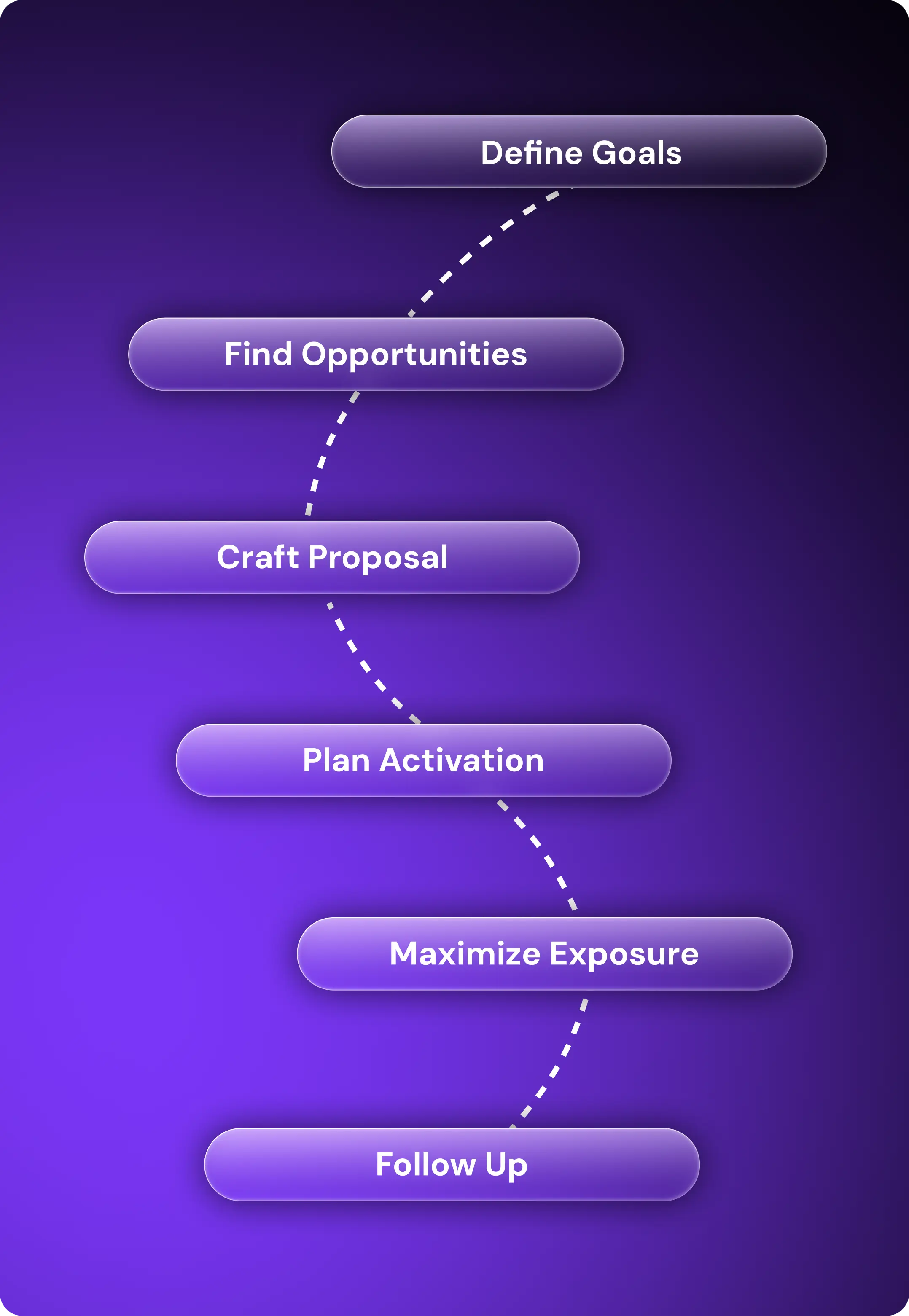
Step 1: Define Measurable Goals
Tie every sponsorship to specific outcomes you can track. Whether you're aiming to increase brand awareness or drive direct revenue, decide upfront how you'll quantify impact during and after the sponsorship activation.
Here are the metrics you should pay attention to:
Awareness: Brand impressions, social reach, media coverage
Engagement: Email signups, demo requests, content downloads
Revenue: SQLs generated, pipeline created, closed deals attributed
Set these KPIs before you even think about which type of sponsorship to go for. They’ll act as a guide for finding only the best opportunities.
Step 2: Identify the Right Audience and Opportunities
You don't have to lock yourself into one type of sponsorship, but you do need to ensure the audience is the right fit.
Even if a newsletter or event seems relevant to your niche, ask if your buyers are actually there. Not just people in adjacent roles, but champions and decision-makers who have budget authority and influence purchasing decisions.
In addition, mix macro and micro opportunities for maximum impact. Sponsoring a close-knit community gives you access to a highly engaged audience that perfectly matches your ICP. At the same time, sponsoring a large industry event with a mixed audience has different benefits—namely, reach. Just make sure the percentage of your target audience in the room justifies the cost.
Step 3: Craft a Sponsorship Proposal
If you're pitching to sponsor something (vs. being sold to), make your proposal about mutual value.
Include the following in your sponsorship proposal:
What you're offering: Cash, product credits, services, expertise
What you're asking for: Speaking slot, logo placement, booth space, email feature
Why it matters to their audience: What value does your participation add beyond funding?
Use data where possible. "Our workshop on API security drew over 200 attendees at the last three conferences we sponsored" carries more weight than "We'd love to do a session."
Step 4: Plan Your Activation
When you’ve got into a conversation with a potential partner, you need an activation strategy for how you'll capture attention and generate leads.
Here’s what activation looks like on different channels:
For events and conferences: Run a hands-on workshop, host a panel with your customers, or sponsor the networking session where real conversations happen.
For podcast or newsletter sponsorships: Offer an exclusive resource for listeners or readers (e.g., a framework, template, or industry report) with a custom landing page and promo code.
For community sponsorships: Host monthly office hours, AMAs, or expert Q&As where members can ask questions and you demonstrate expertise in real-time.
For cause-based sponsorships: Go beyond logo placement—contribute your team's time (volunteer days), offer free access to your product for nonprofit organizations, or create co-branded educational content.
Step 5: Maximize Exposure During the Event
Don't put all the weight on who or what you're sponsoring. Yes, you'll get placements—but you can multiply that value by featuring the partnership across your own channels too.
"Look who we're partnering with!" It's a simple move that reactivates people who've been in your orbit but haven't been paying close attention.
Here’s how to spread the word across the channels your audience uses:
Share content related to the sponsorship, such as quotes from the podcast episode you sponsored, key takeaways from a webinar, or photos from a community event. Tag the entity you're sponsoring and use relevant hashtags.
If you're sponsoring a community Slack or newsletter, don't just let your logo sit there—participate in discussions, answer questions, and share insights.
If an event organizer has an engaged following, work with them to amplify your message. A shoutout from someone the audience trusts is worth more than a dozen generic posts from your brand account.
Sponsorship gets you in the door. Your marketing effort is what makes people remember you were there.
Step 6: Post-Event Follow-Up and Nurturing
Think of all the ways you can extend the value of your sponsorship campaign beyond the one activation. Use unique promo codes, dedicated landing pages with UTM tracking, and gated resources exclusive to the sponsored audience.
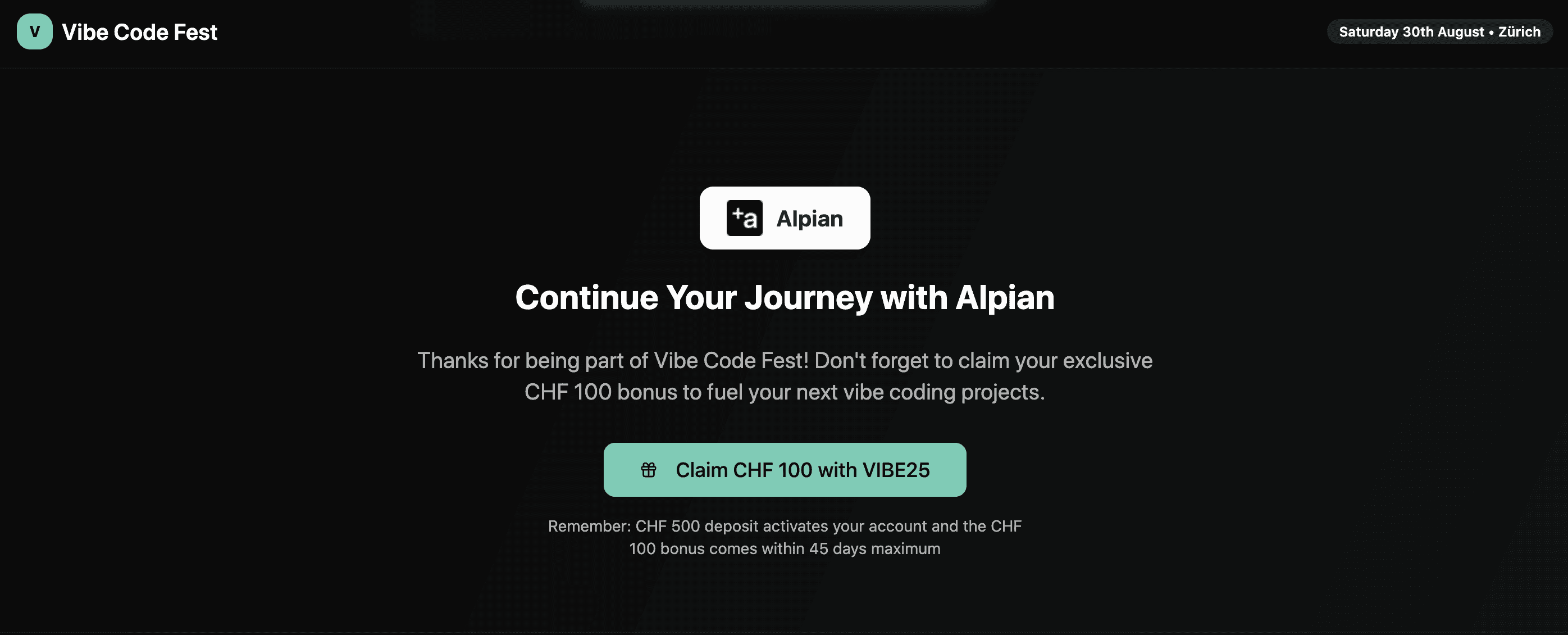
For instance, Alpian sponsored Vibe Code Fest and added a touch most sponsors overlook—they linked a dedicated landing page to their logo on the conference page. While most sponsors settle for links leading to company websites, AIpian’s page guides visitors through desired next steps and offers a signup bonus.
Post-event email is also crucial. When a lead has given you their name and email address, that’s often just the start of your relationship with them. Nurturing takes them from interested to ready to buy.
Here’s how to keep traction with timely follow-ups:
Email everyone who stopped by your booth or attended your session within 48 hours.
Send a recap post thanking attendees and linking to resources you mentioned.
Add leads to a CRM sequence tailored to the sponsorship (not your generic nurture flow).
Share post-event content, such as photos, session recordings, and key takeaways.
Speed and personalization matter most here. If you start manually researching each contact and writing custom emails after the event, you’ll lose valuable time. AI-powered tools like Artisan, which is powered by AI BDR Ava, pull intel on your sponsorship leads from hundreds of sources—job changes, company news, social activity, tech stack, etc.—and use that data to craft highly personalized nurturing sequences at scale.

Measuring ROI and Sponsorship Performance
You set KPIs before building your sponsorship marketing strategy. When it’s finally on, it’s time to track them and calculate whether the investment paid off.
Use Tools and Attribution Models
Use UTM parameters on every link related to your sponsorship initiatives. This tells you exactly which posts, pages, and emails (tied to which sponsorship) drove traffic.
For instance, for links that go into social media posts, your UTM parameters might look like this: utm_source=linkedin&utm_medium=social&utm_campaign=podcast-sponsorship-q4&utm_content=episode-recap.
You can track these with any analytics tool like Google Analytics or your CRM's built-in reporting.
You can build on UTM tracking with the following additional tracking methods:
Tag leads in your CRM with the sponsorship source so you can track their full journey from first touch to closed deal.
Use unique promo codes like "PODCAST20" or "VIBECODEFEST" to identify which promotions drove most signups.
Add "How did you hear about us?" to signup forms—this catches attributions thata UTM parameters miss (like podcast listeners who Google you later).
Calculate What Matters
One of the big mistakes sponsors make when tracking is focusing on metrics that don’t tie to revenue. “Focus” is the key word here. It’s fine to monitor lower-level outcomes. But a handful of core metrics should form the basis of your reporting.
Once you have clean data, pay most attention to the following metrics:
Cost per lead = Total sponsorship spend ÷ leads generated
Customer acquisition cost (CAC) = Total sponsorship spend ÷ customers acquired
ROI = (Revenue attributed - sponsorship cost) ÷ sponsorship cost
Compare these to your other channels—don't stop at surface-level metrics. Even if your sponsorship leads have a higher CPL or lower initial ROI than paid ads, they might be higher quality—meaning they convert at better rates, close faster, or stay with you longer.
How Artisan Fits Into Sponsorship Marketing
Sponsorship marketing gets you in front of the right audience. Artisan—an AI-first outbound platform that automates lead nurturing—makes sure you convert that audience into pipeline.
Streamlining Research and Outreach
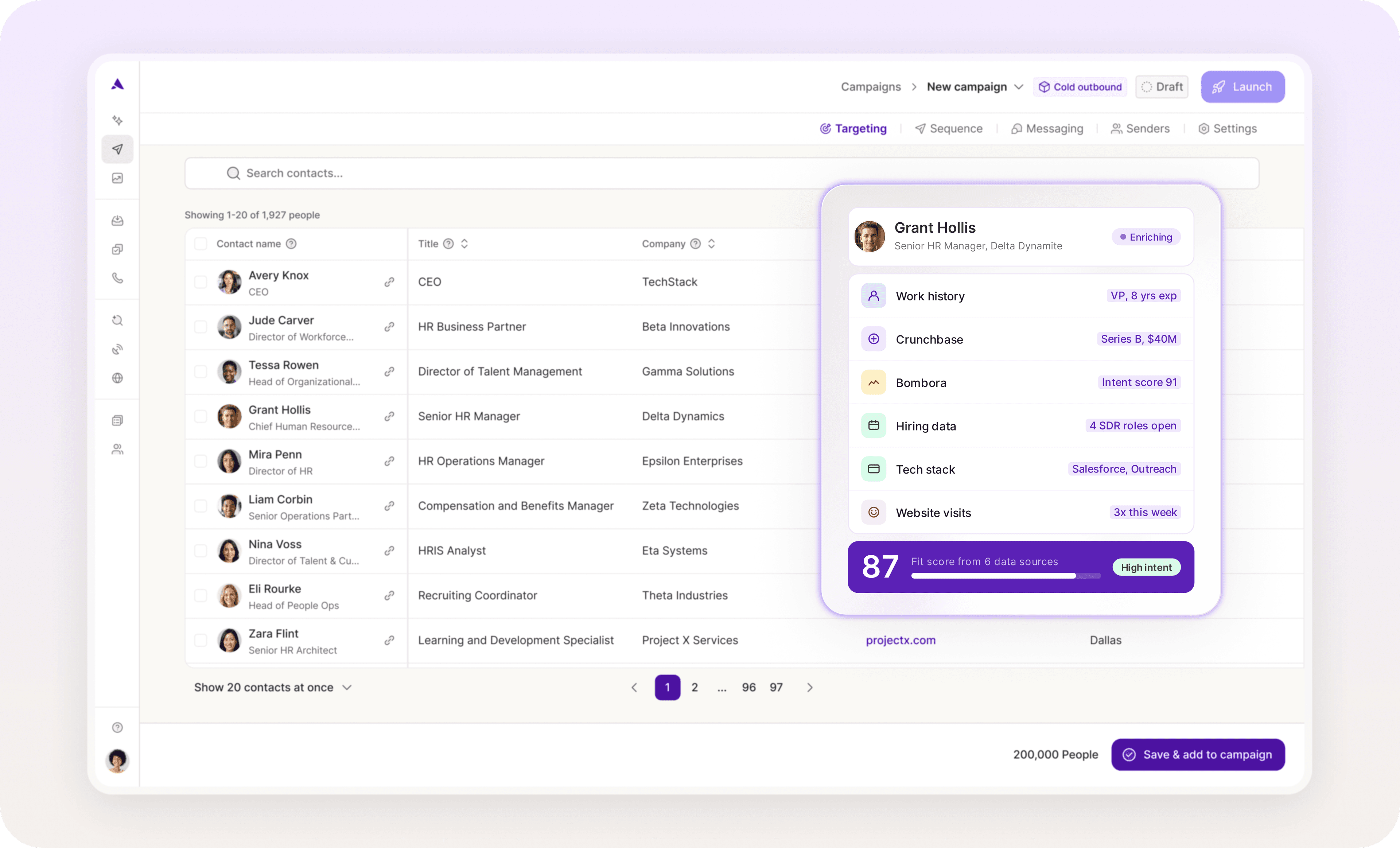
Before you even choose which strategic partnership to pursue, Artisan helps you find the right sponsorship opportunities. Use Artisan's database of over 300M leads to identify companies and contacts that match your criteria. No need to google "best B2B podcasts for SaaS" or scroll through endless conference lists.
Automating Lead Outreach and Follow-Up
After you sponsor a podcast, webinar, or event, Artisan auto-enriches every lead with data from hundreds of sources: job changes, company news, tech stack, social activity, funding rounds, etc. Then it uses that intel to craft personalized follow-up sequences at scale.
Data-Driven ROI Analysis
Artisan tracks sponsorship performance end-to-end. See which campaigns generated the most qualified leads, which follow-up sequences drove the highest engagement, and which conversations turned into closed deals.
Artisan tracks email and social media outreach across a wide range of measures—deliverability, opens, replies, and more. See campaign performance from a clear, intuitive dashboard.

Your Sponsorships Should Work as Hard as You Do
Sponsorship marketing is a performance channel that connects you to engaged audiences, builds credibility through association, and drives a measurable pipeline.
But it only works when you approach it strategically.
Artisan helps you stay consistent with partner research and outreach and lead follow-up. AI BDR Ava handles communications—at scale and on autopilot—at a fraction of the cost of a human rep. Which means you and your team can focus on perfecting the high-level strategy.
Automate your outbound with an AI BDR
Meet Ava—your AI BDR who handles prospecting, outreach, and follow-ups, so your team can focus on closing.

Adelina Karpenkova
SME @ Artisan
Adelina Karpenkova is a writer helping businesses tap into AI's potential and clear up misconceptions. She works with B2B teams on latest industry knowledge.