10 best cold outreach tools for B2B SaaS
Looking for the best tools for cold email outreach? We break down top cold outreach platforms, features, pricing, and strategy tips.
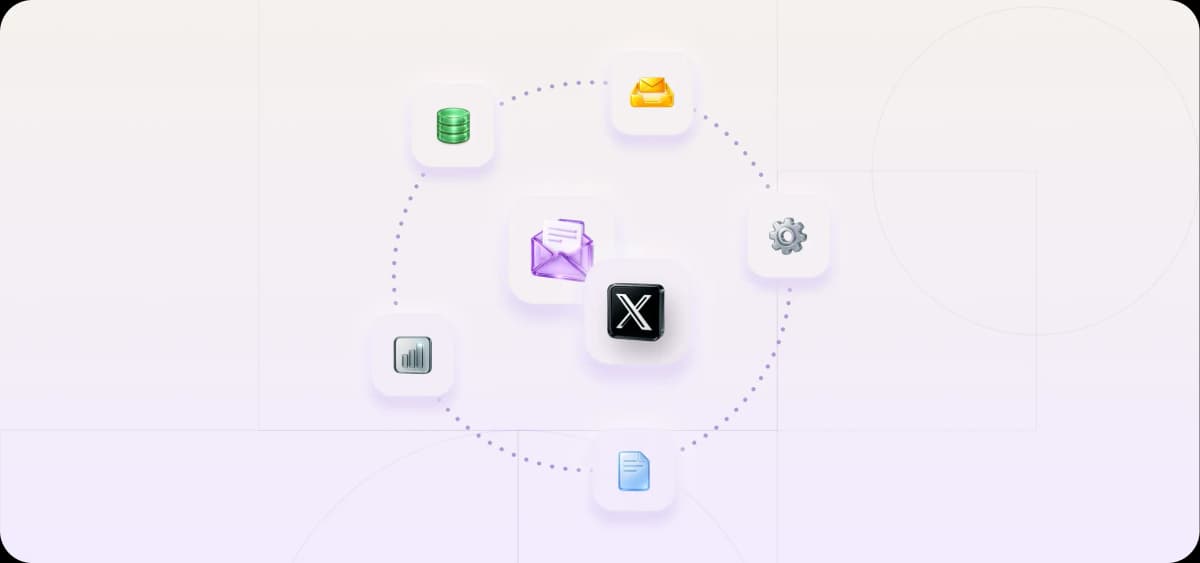
Modern outbound stacks often sprawl across multiple tools. It’s not uncommon for companies to have separate apps for prospecting, domain warm-up, CRM syncing, outreach delivery, and analytics.
When this happens, reps spend half the day stitching systems together instead of talking to buyers. That’s why picking one tool that can manage the whole outbound flow is by far the most time- and cost-effective strategy.
10 best cold outreach tools for B2B sales
If your team runs outbound every week, the question usually isn’t whether you need software. It’s whether you need a simple tool, a multichannel sequencer, or a more consolidated platform that handles prospecting, enrichment, messaging, and deliverability together.
1. Artisan
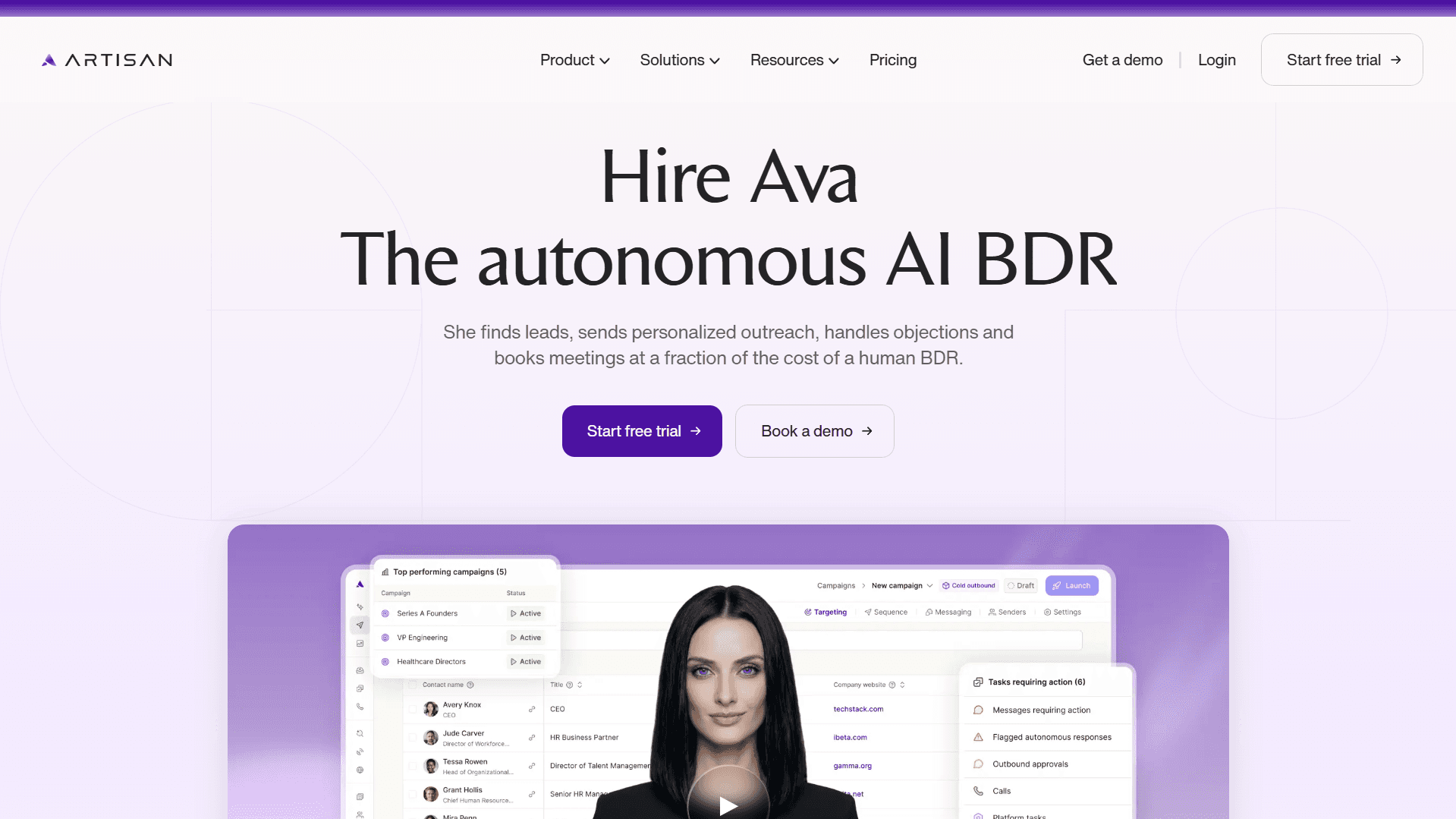
Artisan is best for B2B teams that want to consolidate the early and middle stages of outbound into one system. It’s built around Ava, an AI business development representative (BDR), and has tools for prospecting, data enrichment, email and social media outreach, intent signal tracking, and campaign monitoring.
This makes Artisan a strong fit for founders, lean sales teams, and RevOps-heavy organizations that need to run outbound without hiring a large team to manage list building, personalization, mailbox health, and follow-up logic.
Artisan will be especially useful to SaaS companies that sell to SMB and mid-market prospects, where speed, coverage, and clean execution matter.
Pros
A proprietary database of over 250 million contacts with technographic and demographic data
Personalized outreach and follow-ups written by Ava, drawing on real-time data for every recipient
Deliverability optimization with warm-up tools, spam testing, and domain reputation management
Multichannel outreach across email and social media
Native integrations with HubSpot, Salesforce, Pipedrive, and many other CRMs
Cons
Ava is overkill for a solo founder who only needs a lightweight Gmail sender
Teams that want to handcraft every step of the sequence manually may prefer a narrower tool
Ideal use case
A mid-market company with between 2 and 15 reps that wants to generate pipeline without hiring more BDRs. Artisan also fits larger outbound teams that want to replace separate prospecting, enrichment, automation, and deliverability optimization products with one platform.
Pricing
Artisan's pricing depends on your lead volume and the features you need. All users receive personalized white-glove onboarding, with no charge until your campaign is fully up and running. Get in touch with the sales team to request a custom quote.
2. Instantly
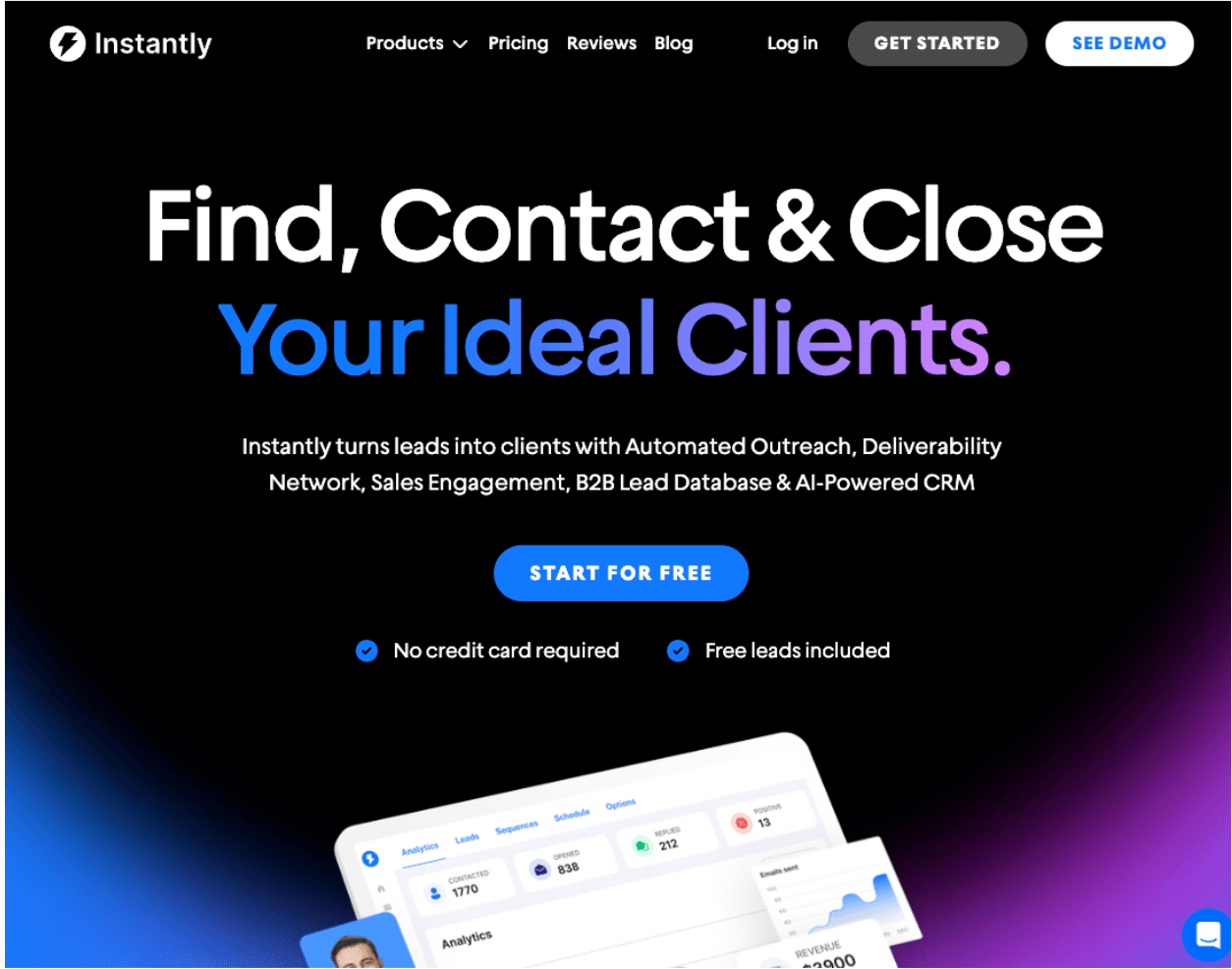
Instantly is a cold outreach tool built for teams that care most about scale. Its sweet spot is high-volume cold emailing, where inbox rotation, warm-up, and deliverability testing matter more than deep sales workflow orchestration.
It is the right choice for outbound agencies and demand-gen shops. If your process is "we already know who we're targeting, now we need to send a lot of emails without lighting our domains on fire," this is the kind of tool you shortlist.
Pros
Large database of 450 million leads
Unlimited email accounts and warm-up
Rotating IPs, blacklist monitoring, and inbox placement testing
Infrastructure built for serious sending volume
AI email writer
Cons
Teams still need another system for richer CRM orchestration or full multichannel outbound
Personalization depth is limited
Ideal use case
Lead generation for an outbound agency or a B2B SaaS team with 5–30 mailboxes that wants to scale cold email volume, rotate infrastructure cleanly, and keep deliverability tight. The platform also offers 25 free credits, making it approachable for freelancers.
Pricing
Outreach plan:
Growth: $47/month
Hypergrowth: $97/month
Light Speed: $358/month
Instantly Credits:
Growth: $47/month
Supersonic: $97/month
Hyper Credits: $197/month and above
3. Smartlead
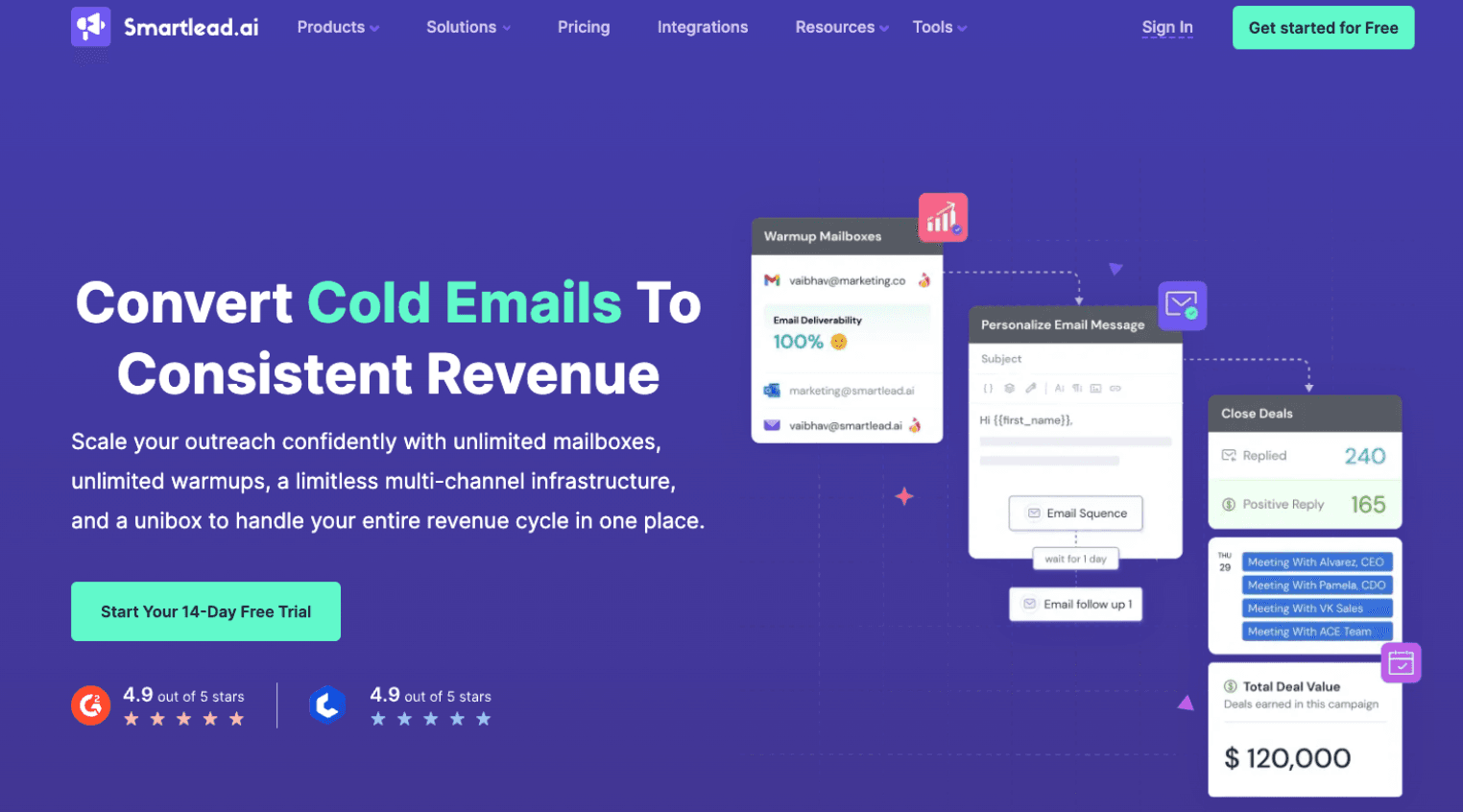
Smartlead is another tool built for outreach at scale, aimed at teams that manage many mailboxes, campaigns, or client workspaces. Compared with lighter outreach tools, it leans harder into agency management, shared inboxes, reply workflows, and high-volume sending infrastructure.
This makes Smartlead a better fit for lead-gen agencies, outsourced SDR firms, and larger outbound teams that run many campaigns in parallel.
Pros
Strong agency workflow support with centralized inbox management across campaigns and clients
High sending volume and verified prospect email allowances
Built-in setup and mailbox warm-up features
Cons
The pricing and add-on structure become more complex as soon as you need private infrastructure
You may need time to learn the interface
Ideal use case
A lead-gen agency or scaled B2B SaaS outbound team that manages many mailboxes, client accounts, or reply queues.
Pricing
Base: $39/month
Pro: $94/month
Smart: $174/month
Prime: $379/month
4. Reply.io
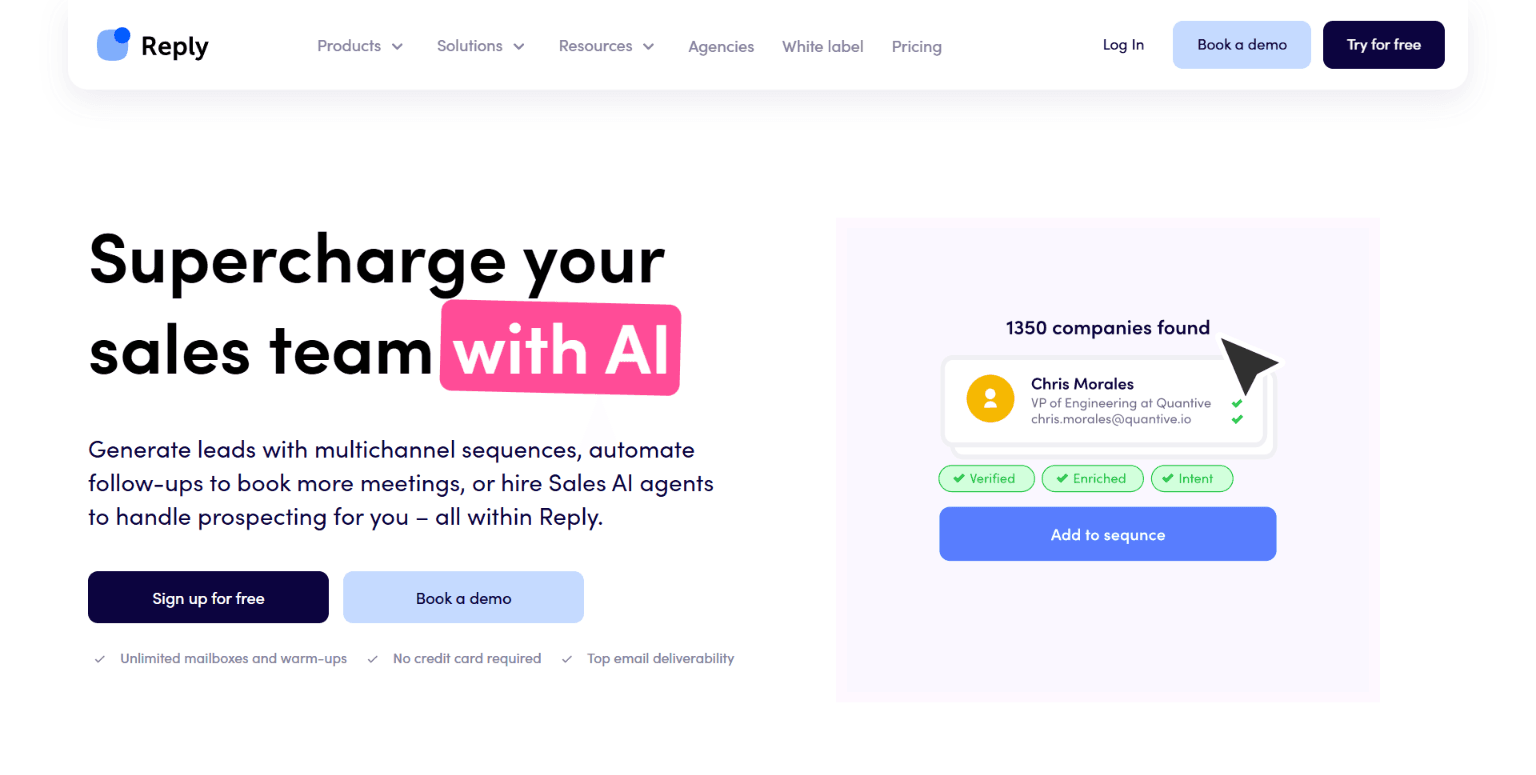
Reply.io is a balanced multichannel outreach tool that combines email, social media, SMS, calls, and conditional sequence logic. This mix makes it useful for B2B SaaS teams selling into mid-market and enterprise accounts, where the outreach motion needs more than email.
If your reps send emails, then follow with social media touches, then layer in calls or SMS once intent is clear among leads, Reply maps well to this workflow.
Pros
Multichannel sequences with email, social media, calls, SMS, and WhatsApp
Comprehensive scheduling features
AI variables and AI-generated sequences for personalization
Per-rep campaign performance reporting
Cons
It's less specialized than pure deliverability tools for high-volume sending
Costs rise if you need social media automation or larger contact volumes
Ideal use case
A 5- to 50-person sales team that runs true multichannel outbound and wants one sequencer for email, social media, phone, and SMS.
Pricing
Email Volume starts at $59/month
Multichannel starts at $99/user/month
AI SDR starts at $500/month
Agency Core starts at $210/month
5. Apollo.io
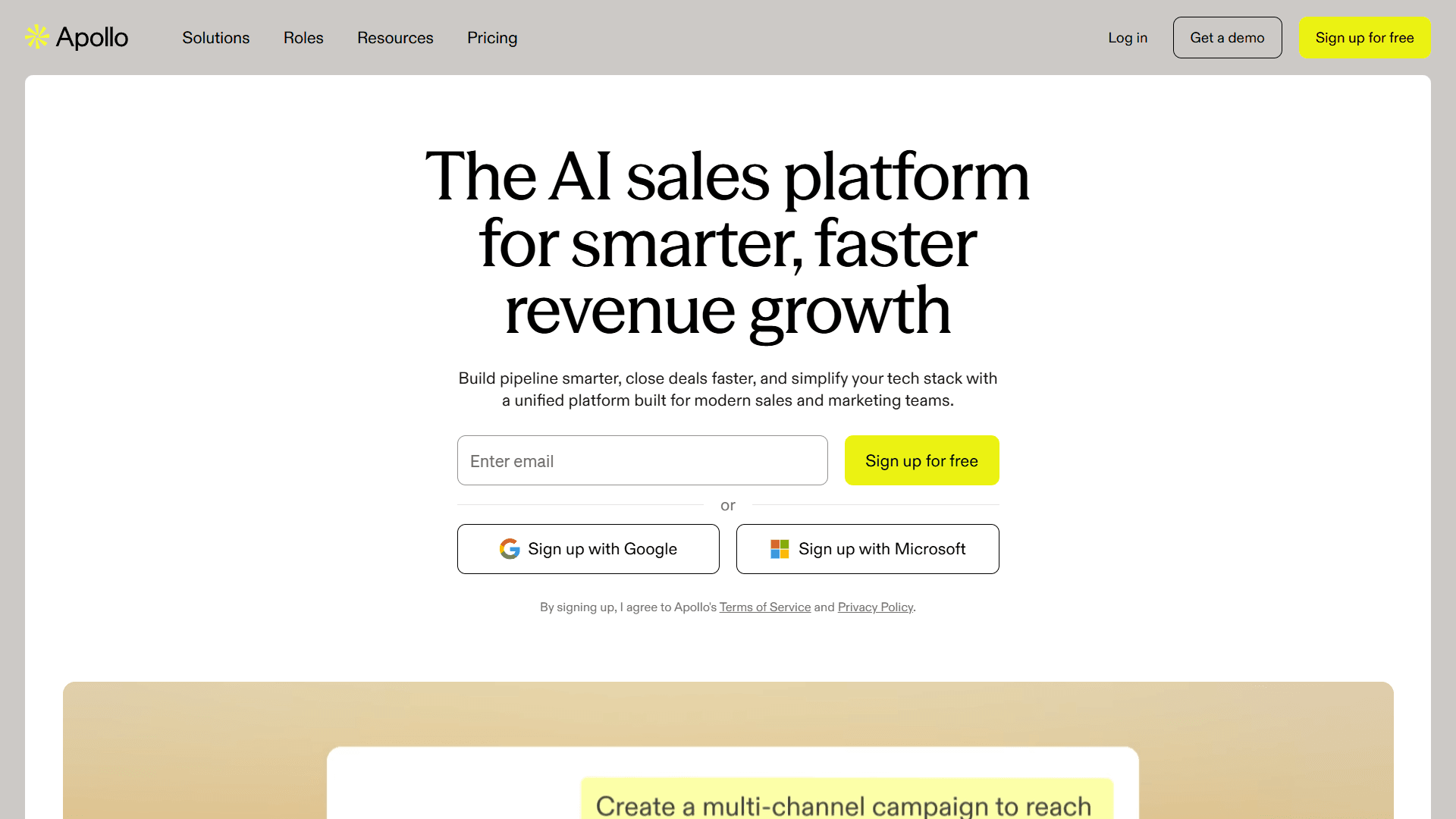
Apollo is the classic all-in-one choice for sales teams that want a large B2B database, enrichment, sequencing, and intent signals in one product. It bundles features that would otherwise come from separate vendors.
For startups and mid-market SaaS teams, Apollo is often the fastest path to "good enough" outbound infrastructure. It provides contacts, filters, enrichment, sequences, and dialer functionality without requiring heavy implementation.
Pros
Large prospect database (230 million) with “97% email accuracy”
Dialer features
Buying intent data for tech industries
AI assistant for prospecting
Data enrichment with direct connection to your CRM
Cons
Power users often outgrow the sequencing layer and want better deliverability infrastructure
Credit systems can become messy for teams doing heavy enrichment and exports
Many filters are available only on higher tiers
Ideal use case
A startup or growth-stage company that needs prospect data and outbound sequencing in one budget-conscious platform.
Pricing
Free plan available
Basic: $59/user/month
Professional: $99/user/month
Organization: $149/user/month
Personalization and engagement tools
Once list quality is under control, the problem becomes engagement. This is where richer personalization and structured multichannel execution start to matter.
6. Lemlist
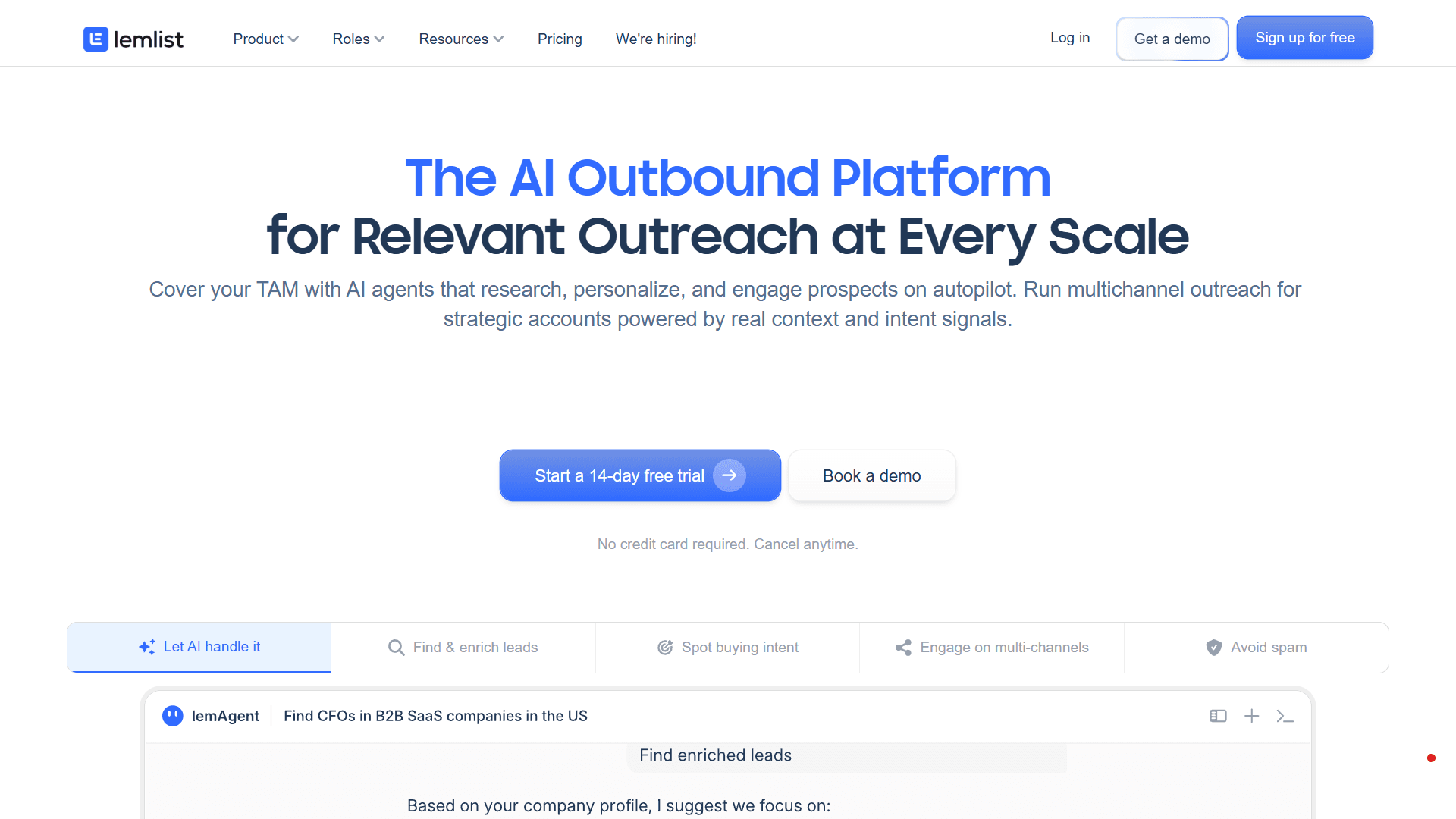
Lemlist is still one of the clearest picks for outbound teams that want outreach to feel handcrafted. Its strength lies in personalized images, variable-rich messaging, custom videos, custom landing pages, and multichannel workflows that feel more tailored than standard sequence software.
Lemlist is best for agencies, consultancies, and SaaS companies that sell to smaller lists of higher-value accounts. It is especially useful when the message itself is the differentiator and your reps are trying to earn replies from founders, executives, or tough mid-market buyers.
Pros
Personalized images, videos, and landing pages
Social media automation and unified inbox workflows
Multi-sequence outreach with calling
Built-in deliverability tool
Message personalization
Social media voice messages and AI voice messages
Cons
It's pricier than lightweight cold email tools
Lemlist's personalization features don’t always work for high-volume outreach
Ideal use case
Sales reps and BDRs who run account-based outbound to mid-market or enterprise accounts where relevance matters.
Pricing
Email Pro: $79/user/month
Multichannel Expert: $109/user/month
Enterprise: Custom pricing
7. Klenty
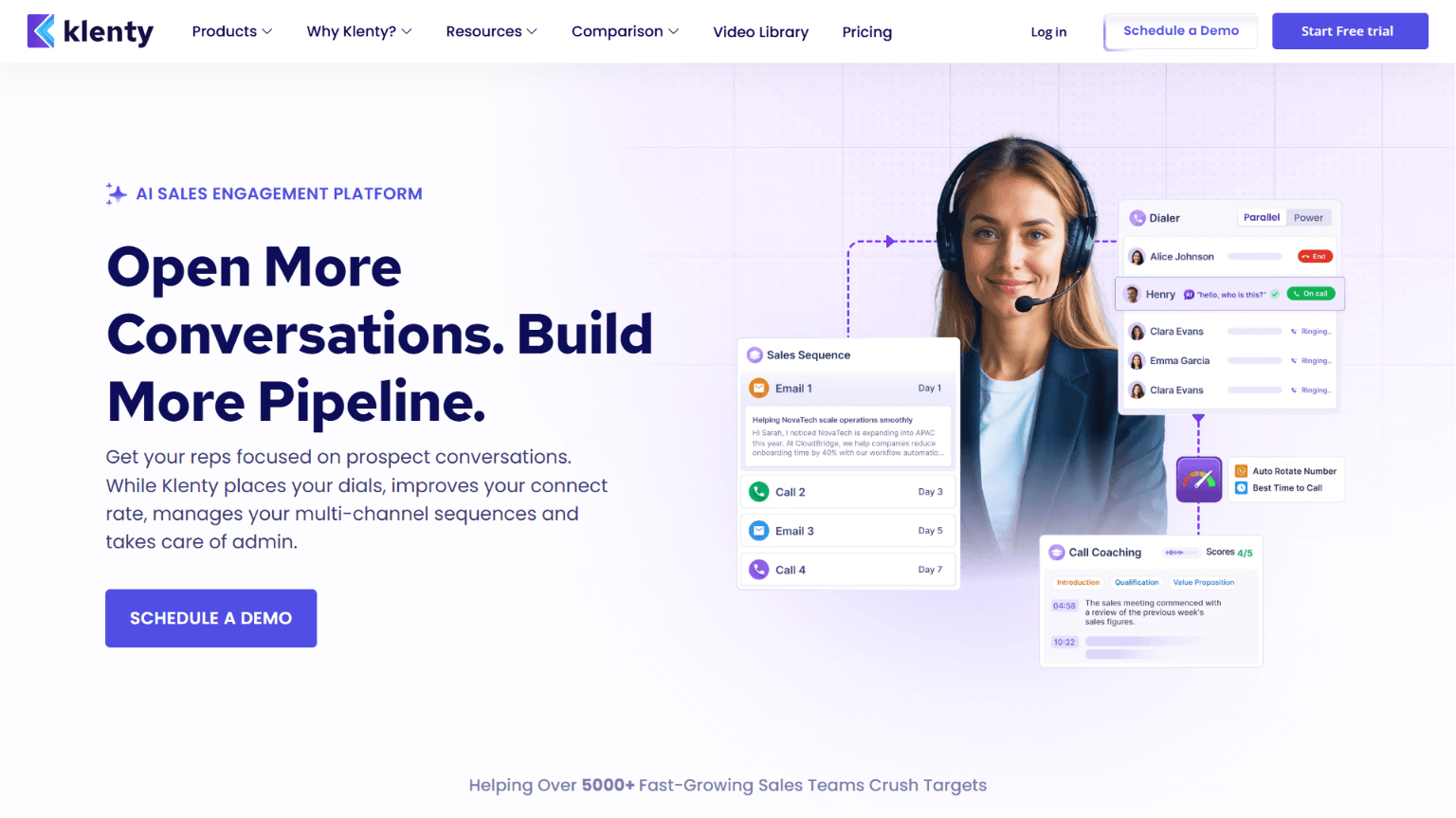
Klenty has been designed for revenue teams that need multichannel discipline and a clean CRM integration. It fits managers who want their reps to follow a repeatable playbook.
Klenty works well for SaaS companies with growing SDR teams, especially when managers care about stages, intent-based follow-ups, reporting, and coaching.
Pros
Built for multichannel outreach with email, calls, SMS, and WhatsApp-style workflows
Strong CRM integration and sales-stage automation for HubSpot and Salesforce
AI list-building and enrichment
Cons
Better for structured teams than for solo founders
Pricing is cumbersome and volume-based, so costs can climb quickly
Some deeper functionality lives behind higher tiers or demos
Ideal use case
Organizations that want repeatable multichannel execution, CRM discipline, and manager-friendly reporting.
Pricing
Starter: $60/user/month billed quarterly
Growth: $85/user/month billed quarterly
Plus: $119/user/month billed quarterly
Enterprise: Custom
Affordable and lightweight cold email tools
These tools are for smaller teams when the motion is mostly email and budget matters more than a fully loaded sales engagement stack. They strip outbound down to its essentials, giving you enough control to run cold email cleanly without the overhead of platforms built for larger teams.
8. Saleshandy
Saleshandy is a practical option for smaller teams that want cold email features without having to pay enterprise prices. It is especially attractive to agencies and SMB SaaS teams because it offers unlimited email accounts, straightforward campaign controls, and an intuitive interface.
It is more lightweight than Apollo or Reply, and this is the point. If your team already has lists and just needs to send at a reasonable volume while protecting deliverability, Saleshandy can do the job without much overhead.
Pros
Budget-friendly entry pricing for teams implementing their first real outbound system
Unlimited email accounts and unlimited prospects
Warm-up access through TrulyInbox included for paid users at no extra cost
Cons
Not designed for multichannel selling
Needs to be paired with a separate data provider for prospecting and entrichment
Less appealing for larger teams that want enterprise workflow controls
Ideal use case
A solopreneur-led outbound motion, a small sales team, or a lead-gen agency that wants affordable cold email infrastructure.
Pricing
Outreach Basic: $36/month
Outreach Pro: $99/month
Outreach Scale: $199/month
Outreach Scale Plus: Starts at $299/month
9. GMass
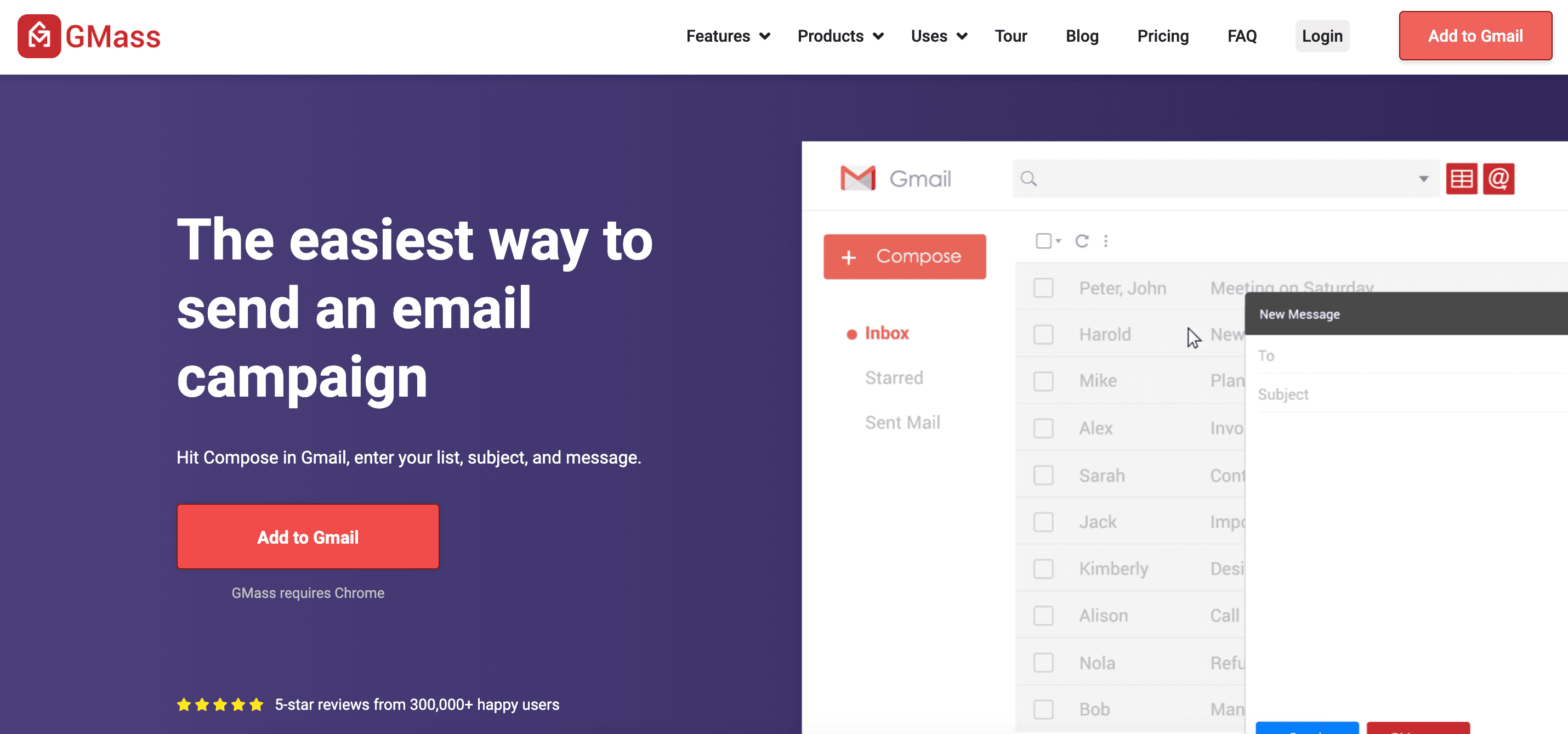
GMass is for teams that want to run cold email from Gmail. Its main advantage is that is allow reps who already live in Gmail to launch campaigns, run follow-ups, personalize via mail merge with data sources like Google Sheets, and distribute delivery across multiple accounts without ever leaving their inbox.
Pros
Native Gmail workflow
No caps on campaigns, sequences, follow-ups, and personalization (though it’s not designed for mass outreach)
MultiSend inbox rotation to stay within Gmail limits
Cons
Best for email only, not a full multichannel sales engagement platform
Works best when the whole team is happy to stay in Gmail
Ideal use case
A founder, solo consultant, or 1–5 person outbound team that wants a simple cold email tool inside Gmail without a bigger platform migration.
Pricing
Standard: $29.95/month
Premium: $39.95/month
Professional: $59.95/month
10. Woodpecker
Woodpecker is a well-known cold email platform that sits between lightweight and enterprise-level. It has stronger deliverability tooling than basic Gmail senders, yet it still feels more like a dedicated email platform than a full sales engagement suite.
As an email-first outreach tool, Woodpecker offers optional social media outreach, email verification, and condition-based workflows. It is also one of the cleaner options if deliverability is your obsession.
Pros
Built-in catch-all email verification
Strong deliverability stack with warm-up, inbox rotation, adaptive sending, and domain auditing
Optional social media automation add-on
Cons
Pricing sincreases quickly with number of recipients
No native calling or SMS
No human-like personalization
Ideal use case
An outbound agency that wants email-first campaigns with strong deliverability controls and optional social media steps.
Pricing
Starts at $35/month for 500 contacted prospects and climbs to $9,999/month for unlimited prospects and team members
Social media automation add-on for $29/month per connected social media account
How to choose the best cold outreach tools for your team
The nuances of your own sales process should determine your choice of platforms. What really matters is how your team actually sells, how much outbound volume you run, and whether you need a narrow product or a platform that replaces several tools at once.
1. Start with your cold outreach strategy
If your cold outreach motion is high-volume cold email, prioritize sending infrastructure. If you sell to a smaller set of target accounts with higher annual contract value (ACV), prioritize personalization and multichannel sequencing.
Sales teams fail here because they buy a generic outreach tool when what they really need is either a deliverability tool, deep personalization features, or a more consolidated outbound platform.
Prioritize deliverability infrastructure
Deliverability is now table stakes. Google's sender guidelines require bulk senders to support one-click unsubscribe for promotional messages and keep spam rates under control, with 0.3% as the threshold you never want to hit.
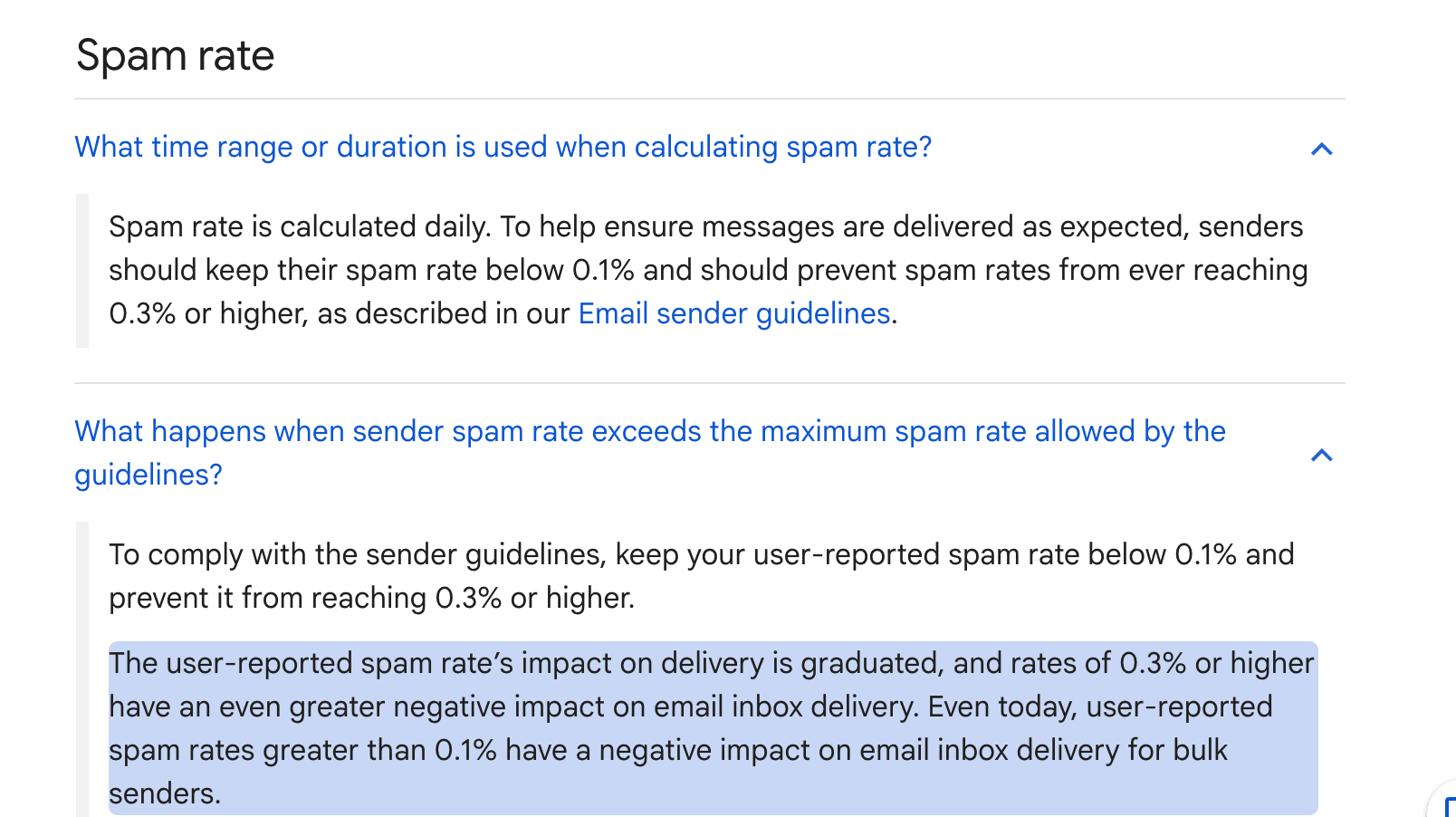
This is why features like warm-up, inbox rotation, bounce monitoring, blacklist checks, and sender reputation controls matter so much. If your domain reputation tanks, sequence quality does not matter.
Evaluate AI capabilities
A lot of tools now slap "AI" onto their feature pages and call it a day. You need to dig into exactly how a product helps with AI-powered outbound work for prospect research, lead prioritization, personalization, follow-up logic, and full workflow execution.
Consider multichannel outreach
Email still matters, but it’s rarely enough on its own once you move upmarket. The strongest tools for many SaaS teams combine email with social media and, often, cold calls, WhatsApp, and SMS.
Personalization features are important, too. According to research by Outreach, highly customized emails drive 10% higher open rates and twice as many reply rates compared to those based on standard templates.
Match pricing to the business stage
Early-stage teams usually need a simple platform. It’s important that they can set up cold outreach quickly without committing to a six-tool stack or a heavy annual contract.
Later-stage sales teams face a different problem. They require infrastructure that can support high send volumes, team collaboration, large amounts of data, clean CRM syncing, and predictable multichannel execution. This is usually where lightweight tools fall short.
Teams winning outbound are automating smarter
The best cold outreach tools don't just send messages. They remove the repetitive work that keeps reps from executing the human sales tasks that move pipeline.
Artisan is leading the way when it comes to AI-powered tech stack consolidation for outbound. The platform brings prospecting, enrichment, personalization, deliverability optimization, and high-volume social media and email outreach into one workflow, with full AI automation at every stage.

Automate your outbound with an AI BDR
Meet Ava—your AI BDR who handles prospecting, outreach, and follow-ups, so your team can focus on closing.

Jenny Romanchuk
SME @ Artisan
Jenny creates senior-level content for sales, SEO, and marketing professionals. She also leads partnerships at the District #1 Charitable Foundation.