How much does an AI SDR cost? Pricing compared to human SDRs
What AI SDRs and AI BDRs cost, how pricing models differ, and how they compare to the fully-loaded cost of a human SDR.
Key Takeaways
- A fully-loaded US human SDR or BDR costs $120,000 to $200,000 a year: a base of over $60K plus benefits, tools, management, and ramp.
- Human reps take 3 to 6 months to ramp and stay in the role about 14 months on average, so you rarely see a full year of peak productivity.
- AI SDR pricing splits into three models: per-seat/per-user, flat monthly tiers, and usage-based (pay per outcome or work performed).
- Published competitor pricing ranges widely: AiSDR $250-2,500/mo, Reply.io's Jason AI ~$500-800/mo, Salesforge's Agent Frank $499/mo, Regie.ai a reported $180-499/user/mo, 11x at a reported ~$5,000/mo.
- Artisan is usage-based with no platform fee, so you pay for work performed rather than seats, which keeps cost flat as the team scales.
- Teams using an autonomous AI BDR generate pipeline at about one-fifth the cost of a human BDR.
Most AI sales development representatives (SDRs) cost between roughly $500 and $5,000 a month depending on the model and volume, versus a fully-loaded human SDR at $120,000 to $200,000 a year. Teams that run an autonomous AI business development representative (BDR) typically generate pipeline at around one-fifth the cost of a human rep, before you account for ramp time and turnover.
This headline hides a lot of variation, so this page breaks down the real pricing models, the honest cost of a human SDR, and where the one-fifth figure comes from. The terms AI SDR and AI BDR are used interchangeably; the cost math is identical.
How much does a human SDR actually cost?
A US SDR's base salary starts around $60,000, but base is the small part. Fully loaded, once you add commission, benefits, payroll taxes, software (a typical outbound stack runs five to eight tools at over $100K a year across the team), management overhead, and onboarding, a single SDR costs $120,000 to $200,000 a year.
2 numbers make the loaded cost worse than it looks. Ramp time is 3 to 6 months before a new rep is productive. Average tenure is about 14 months. So a rep you pay for 14 months might only deliver 8 to 11 months of full output, and then you pay to recruit and ramp the replacement. The effective cost per productive month is well above the sticker.
There is also the busywork tax. SDRs spend 40-60% of their hours on non-selling tasks, and 66% of BDR time goes to outreach mechanics: list building, research, data entry, sending. You are paying a six-figure loaded cost for a role that spends most of its time on work software can do.
How much does an AI SDR cost? The three pricing models
AI SDR pricing comes in three shapes, and the model matters as much as the number.
Per-seat or per-user. You pay for each user of the tool, like traditional SaaS. Regie.ai reportedly runs $180-499/user/month. This model punishes large teams: cost climbs linearly with headcount even when the AI is doing the same work.
Flat monthly tiers. A fixed price for a bundle of capacity. AiSDR publishes $250, $900, and $2,500/month tiers; Salesforge's Agent Frank is $499/month; Reply.io's Jason AI runs roughly $500-800/month on top of its sequencing platform. Predictable, but you can pay for capacity you do not use or hit a ceiling you have to jump tiers to clear.
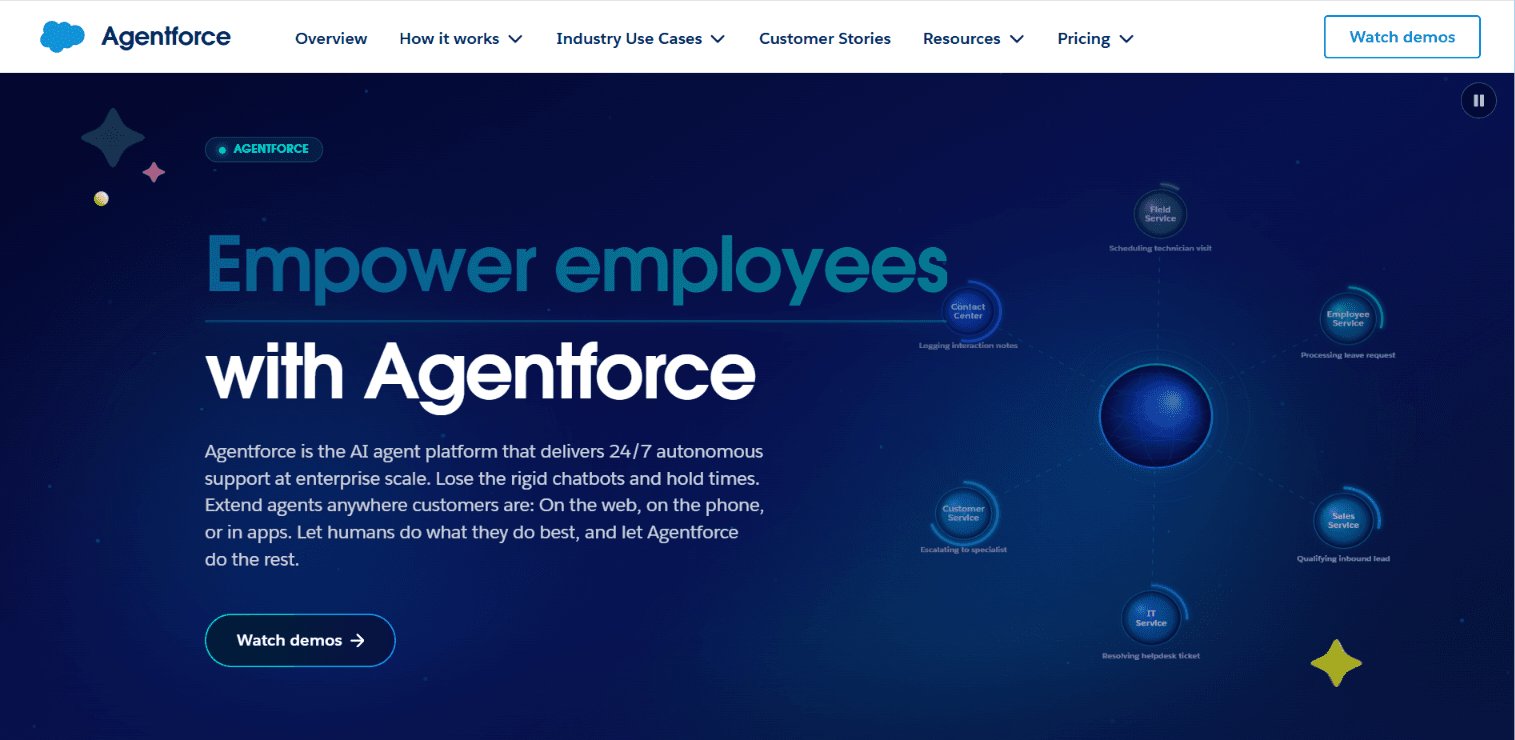
Usage-based. You pay for work performed or outcomes produced, not seats. Artisan uses usage-based credits with no platform fee, so cost tracks the actual work Ava does. HubSpot's Breeze introduced outcome-based agent pricing (around $1.00 per qualified lead) in April 2026, an industry-first worth noting. For HubSpot-specific options, see the best AI SDR for HubSpot users. Salesforce Agentforce charges roughly $2 per conversation or about $0.10 per action via Flex Credits.
At the opaque end, 11x reportedly prices around $5,000/month with no self-serve option and a long onboarding, per third-party reporting. Higher-touch enterprise inbound tools like Qualified reportedly listed around $42K-100K/year historically. For related vendor comparisons, see Artisan vs. 1mind and the best 1mind alternatives.
Is it cheaper to use an AI SDR or hire a human SDR?
For net-new pipeline generation, an AI SDR is almost always cheaper. Compare like for like: a single human BDR costs $120K-200K fully loaded per year and delivers 8-11 productive months after ramp and before turnover. An autonomous AI BDR covers the same sourcing, writing, sending, and reply-handling work at roughly one-fifth the cost, with no ramp period and no turnover.
The one-fifth figure is a pipeline-cost comparison, not a like-for-like salary swap. It holds because the AI runs continuously, personalizes at a scale a human cannot, and does not spend 40-60% of its time on busywork. Artisan customers report concrete per-lead economics: SumUp saw a $52 cost per lead across hundreds of thousands of emails, and CookUnity landed around $45 per lead across over 100,000 emails.
The math flips for complex, high-touch enterprise deals that need a human relationship early, or teams that need discovery and qualification conversations more than volume. There the right move is usually augmentation, letting the AI handle sourcing and top-of-funnel so human reps spend their time selling.
How much does an AI BDR cost compared to a team of SDRs?
This is where usage-based pricing separates from per-seat. To triple output with humans, you hire three BDRs at $120K-200K each: $360K-600K a year, plus three ramps and eventually three backfills. With a per-seat AI tool you multiply the seat price by users. With a usage-based AI BDR you pay for the additional work performed, and the per-unit economics hold as volume grows because there is no seat multiplier.
That is why the deployment pattern at large orgs is central: sales ops runs one AI BDR for an entire account executive (AE) team who never log in, and cost scales with pipeline generated instead of with how many people touch the tool. Raise sourced over $700K of annual recurring revenue (ARR) in six months with Ava, a 20x return on spend.
What should you actually budget?
A practical way to frame it:
Startup or single-rep replacement: a flat-tier AI SDR in the $250-900/month range, or usage-based spend scaled to your send volume, versus one loaded hire at over $120K.
Scaling team (3-10 reps of output): usage-based pricing wins because you avoid the seat multiplier. Model cost against pipeline generated, not headcount.
Enterprise: volume-based or custom pricing with governance, single sign-on (SSO), audit logs, and a dedicated customer success manager (CSM). Artisan's Enterprise plan adds custom volume, a forward-deployed strategist, and dedicated onboarding.
Always compare the AI's cost to the fully-loaded human cost ($120K-200K), not the base salary, and factor in ramp and turnover that the AI does not carry. See Artisan pricing for the model.
FAQ
How much does an AI SDR cost per month?
Most AI SDRs cost between roughly $250 and $5,000 a month depending on the pricing model and volume. Flat-tier tools like AiSDR publish $250-2,500/mo; Salesforge is $499/mo; Reply.io's Jason AI runs ~$500-800/mo; 11x is reported near $5,000/mo. Usage-based tools like Artisan charge for work performed with no platform fee, so monthly cost tracks actual output instead of a fixed seat count.
How much does an AI BDR cost?
AI BDR and AI SDR pricing are the same; the terms are used interchangeably. Expect roughly $250-5,000/month for flat-tier and per-seat tools, or usage-based pricing that scales with the work performed. Against a human BDR at $120K-200K fully loaded per year, teams that run an autonomous AI BDR generate pipeline at about one-fifth the cost.
Is it cheaper to use an AI SDR or hire a human SDR?
For net-new pipeline, an AI SDR is usually cheaper. A human SDR costs $120K-200K fully loaded, takes 3 to 6 months to ramp, and averages ~14 months tenure. An autonomous AI BDR does the sourcing, writing, sending, and reply-handling at roughly one-fifth the pipeline cost, with no ramp or turnover. For complex, relationship-led enterprise deals, a human still wins, so many teams augment instead of replacing.
What is the fully-loaded cost of a human SDR?
$120,000 to $200,000 a year. Base salary is around $60K, but fully loaded includes commission, benefits, payroll taxes, the outbound stack of 5 to 8 tools (over $100K/year across a team), management, and onboarding. Factor in a 3-to-6-month ramp and ~14-month average tenure, and the cost per productive month is higher than the salary suggests.
Why is AI SDR pricing usually cheaper than a human?
Because the AI runs continuously, personalizes at scale, and does not spend 40-60% of its time on non-selling busywork the way human reps do. It has no ramp period, no turnover, and no recruiting cost. Usage-based models compound the savings at scale by charging for work performed instead of adding a seat cost for every additional user or unit of output.
Does AI SDR pricing scale with team size?
It depends on the model. Per-seat tools (for example Regie.ai at a reported $180-499/user/mo) cost more as you add users. Usage-based tools like Artisan charge for work performed with no per-seat fee, so cost stays flat relative to headcount and scales with pipeline instead. For large teams, usage-based pricing is materially cheaper than multiplying a seat price.
What is the cheapest AI SDR?
The lowest published entry points sit around $250/month (AiSDR's entry tier) or the per-100-contact usage pricing some cold email tools offer. But cheapest per month is not cheapest per qualified meeting; a low-price tool that needs you to write, target, and reply yourself can cost more in staff time than a usage-based platform that runs the whole motion. Compare cost per outcome, not sticker price.
The takeaway
The honest comparison uses the $120K-200K fully-loaded human cost, not the base salary, and adjusts for ramp and turnover. On that basis, an autonomous AI BDR generates pipeline at about one-fifth the cost. To see how the work is done, read the AI BDR guide or meet Ava, the AI sales agent. For the model itself, see Artisan pricing. To compare tools, see the best AI SDRs, the best AI BDRs, the best AI GTM platforms, and the 15 best AI sales tools.
Related reading
Jaspar Carmichael-Jack
Co-Founder & CEO @ Artisan
Jaspar is an entrepreneur with expertise in sales, marketing, and operations. He founded Artisan in 2023, a company automating workflows with AI employees.