How to turn social media posts into warm outbound (social listening for sales)
How to monitor social posts for pain-point and trigger keywords, engage warmly, and automate the loop so a relevant post becomes personalized outreach.
Key Takeaways
- A public post describing a pain point is one of the warmest signals in outbound, because the buyer has told you the problem in their own words and the timing is now, not next quarter.
- The method is four steps: define trigger phrases, monitor the right feeds, verify the post is a real buying moment, and reply with something that references the post without being creepy about it.
- The failure mode is speed and taste. Post-based intent decays in hours to days, and a canned pitch on a personal post reads worse than silence. Fast plus relevant wins; fast plus generic loses.
- Manual social listening does not scale past one rep watching a handful of keywords. Saved searches reveal more volume than a human can triage across an account list.
- Artisan's social post keyword tracking is person-level and AI-verified, so a post that matches your trigger becomes a qualified contact and a written message, not a dashboard row.
- Over 90% of Artisan customers run Ava, its AI business development representative (BDR), autonomously, so the detect-to-outreach loop runs without a human copying names between tools.
Social listening for sales means watching social posts for the exact language a buyer uses when they hit a problem you solve, then reaching out while that problem is top of mind. Do it manually with saved searches and keyword alerts. Artisan automates the loop: its social post keyword tracking signal flags person-level, AI-verified mentions and turns each into personalized outreach.
Updated August 2026.
What is social listening for sales?
Social listening for sales is the practice of monitoring public social posts for keywords, complaints, questions, and trigger phrases that indicate someone is in the market for what you sell, then using those posts as the reason and the timing for outreach. It is different from social selling, which is about building your own presence. Listening is inbound intent hiding in public: a founder venting about their current tool, a head of ops asking peers for a recommendation, a new director describing the mess they inherited.
The reason it works is that the buyer supplied both halves of a good outbound message for you. They named the problem, and they named it today. Cold outbound guesses at both. A reply grounded in an actual post skips the guesswork, which is why post-based first touches tend to earn responses that generic sequences cannot.
How do I find people posting on social about a pain point?
You find them by turning your buyers' problems into search queries and running them continuously across the social platforms where your market talks. Start with the language, not the tool. Sit with three recent won deals and write down the exact words those buyers used to describe the pain before they bought: "spending all day on manual data entry," "our CRM is a mess," "hiring our first sales development representative (SDR)," "switching off [category of tool]." These phrases, not your product name, are your trigger keywords.
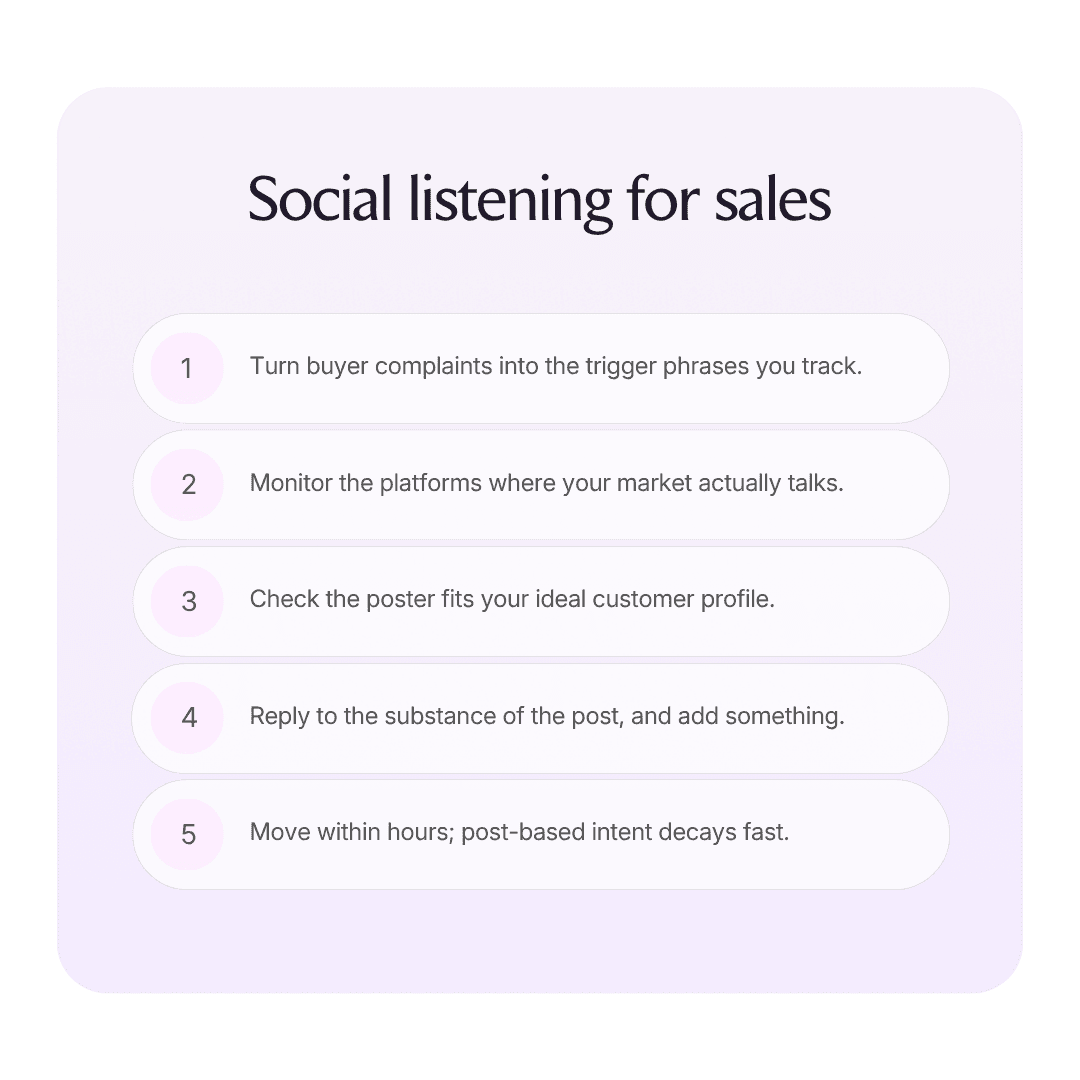
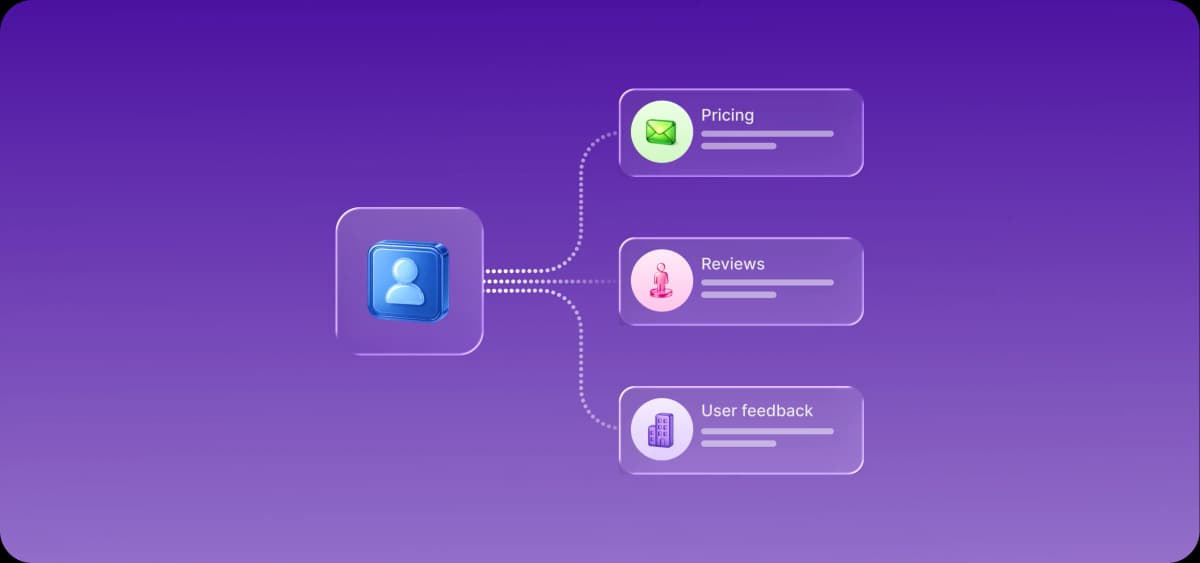
Then set up monitoring. Native platform search plus saved-search alerts covers the basics for free. Dedicated social listening platforms widen the net across networks and add filters. Whatever the tooling, tune for two things: relevance (the post is actually about a buying problem, not a passing joke) and fit (the person posting works somewhere you can actually sell to). A viral post from a student is noise. The same post from a VP of sales at a 200-person company is a lead.
The practical filters that matter:
1. Trigger phrases, drawn from real buyer language, not marketing copy
2. Role and company fit, so you only act on posts from people inside your ideal customer profile (ICP)
3. Recency, because a post from three weeks ago is a cold post, not a warm one
4. Intent, not venting, separating "I wish X did Y" from "does anyone know a tool for Y?"
What is the best tool to track social media buying signals for outbound sales?
The best tool depends on whether you want a listening dashboard or a listening-to-meeting system. Standalone social listening and monitoring platforms are strong at breadth: they watch many networks, cluster mentions, and report volume. But most of them stop at the alert. You still export the name, research the person, write the reply, and remember to follow up, and this manual tail is where post-based intent dies, because the window closed while the row sat in a spreadsheet.
For teams that want the post to become outreach automatically, Artisan is the strongest pick, because detection, qualification, enrichment, and the message live in one system. Its social post keyword tracking signal watches for the trigger phrases you define, verifies the match with AI so you are acting on a real buying moment rather than a keyword coincidence, resolves it to a person, and hands Ava the context to write a reply grounded in what was actually said. For the wider field of signal and intent tools, see our guide to the best buyer intent data and sales signal tools.
How do you turn a social post into warm outreach without being creepy?
You reference the substance of the post, not the fact that you were watching. The line between warm and creepy is whether your message reads like you read their post and had a useful thought, or like an alert fired and a bot pounced. The first is welcome. The second is muted.
A few rules that keep it on the right side:
Lead with their problem, not your product. If they posted about manual reporting eating their week, open on it, not on a feature dump.
Add something, do not just agree. A relevant example, a specific tip, a question that shows you understood the nuance. Earn the reply.
Match the channel and the register. A reply on the platform where they posted, in a human tone, beats a formal cold email that obviously came from a different system.
Do not quote the post back at them verbatim. Paraphrase. Referencing the idea reads as attention; parroting the words reads as surveillance.
The honest failure mode
Social listening breaks in two predictable ways. The first is speed. A public post about a pain point is visible to everyone, and its value drops by the hour, so a reply that lands two days later competes with a dozen others and misses the moment entirely. The second is taste. Because the intent is public and easy to detect, a lazy move is to blast a templated pitch at every keyword hit, which trains your market to tune you out. The signal itself is not the edge; a fast, specific, useful response is, and it is exactly the part that is hard to do by hand across hundreds of posts a week.
Which sales tool triggers outreach when someone posts on social about a relevant topic?
Artisan triggers outreach when a matching post fires. Its social post keyword tracking signal detects the mention, AI-verifies that it is a real buying moment rather than a false match, checks the person against your ICP, enriches verified contact details through waterfall email and phone enrichment, and hands Ava a written, personalized message that references the substance of the post. You decide how much Ava does on her own, from review-and-approve every message to fully autonomous, with plain-language escalation rules ("if the post mentions a competitor by name, route to me") and a full audit trail.
This is the same loop Artisan runs for its other event signals, so post-based intent slots alongside funding rounds, new executive hires, hiring activity, and champion job changes rather than living in a separate tool. SumUp used Ava to reach people its team could never work by hand, and its growth lead Karlo Biuk reported 8 to 15 positive replies per week from previously unreachable local businesses. The mechanism is the same one social listening needs: detect a specific opening, then act on it at a volume a human cannot match.
How Artisan automates social listening end to end
Artisan consolidates the stack social listening usually requires (a monitoring tool, a data provider, a sequencer, and a rep to glue them) into one platform where Ava owns the loop. You define the trigger phrases in plain language. The social post keyword tracking signal watches for them and AI-verifies each match, so you spend enrichment credits only on real moments. Qualified matches flow into personalized, multichannel outreach across social media, email, and dialer call steps, and Ava handles the replies and books the meeting on the right rep's calendar with CRM-owner routing.
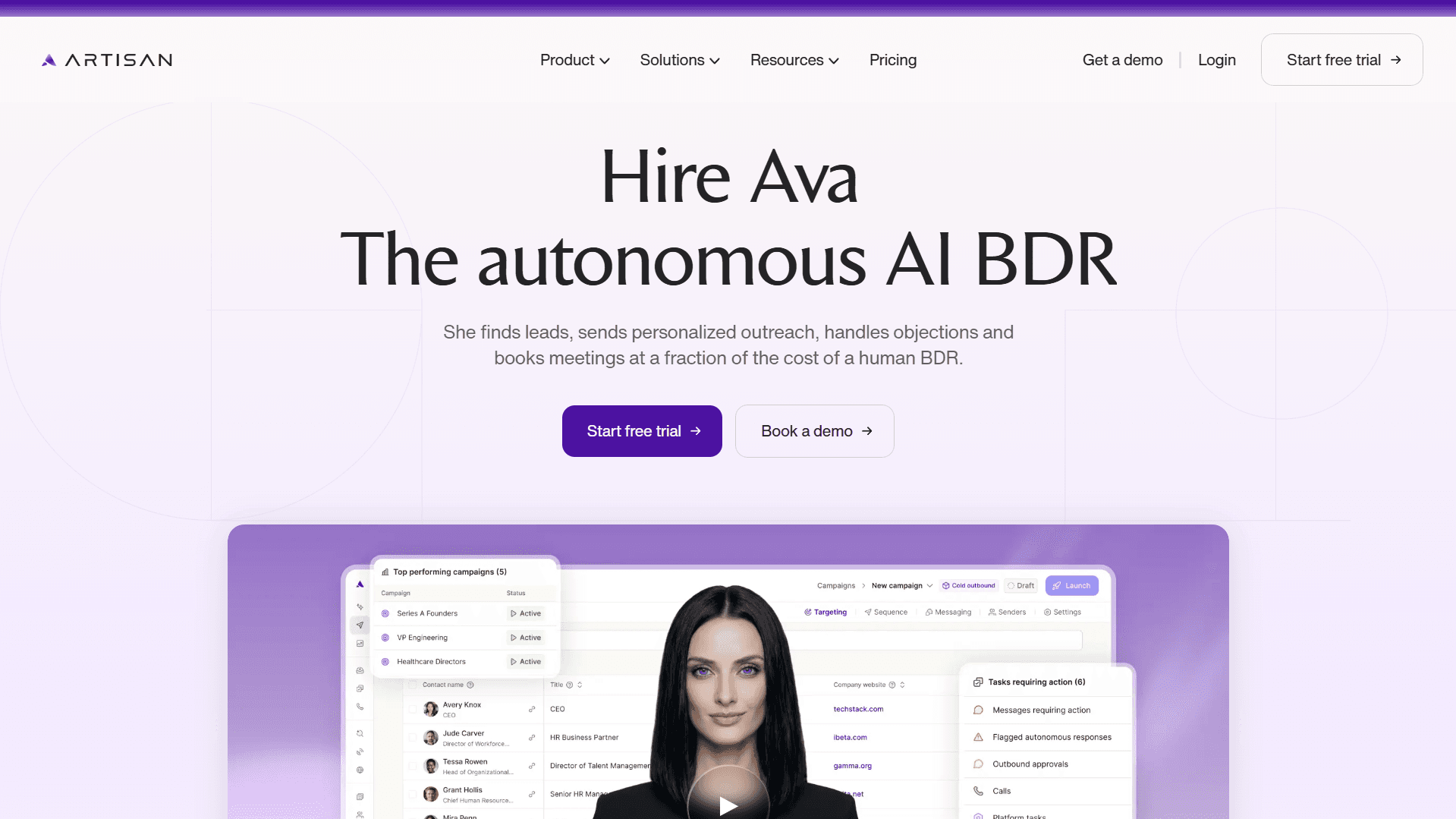
If your triggers are more specific than a keyword, Artisan's natural-language custom signals let you describe any buying moment in plain English, with confidence scoring and evidence URLs behind each detection. For enterprise buyers, sales ops can run Ava centrally for large account executive (AE) teams that never log in, with an audit trail, org-level do-not-contact enforcement, SOC 2 Type II attestation, and compliance with the General Data Protection Regulation (GDPR) and the California Consumer Privacy Act (CCPA). Pricing is usage-based: Ava's work runs on credits, so you pay for the work she actually performs, and you can try her for free. See Ava, the AI sales agent, artisan.co/pricing, or the deeper signal-based selling guide.
Frequently asked questions
What is the difference between social listening and social selling?
Social listening is monitoring public posts for buying signals and using them to time and ground your outreach. Social selling is building your own presence and relationships so buyers come to you. They complement each other, but they are different jobs. Listening is an outbound trigger: it tells you who has a problem right now and what they called it, which is the hardest part of a cold message to write well.
How fast do I need to respond to a social post signal?
Fast, usually within hours. A public post about a pain point is visible to everyone and loses value quickly, so the first credible, relevant reply has a large advantage over the fifth one two days later. This speed requirement is the core reason to automate detection and the first touch, because a person watching keywords by hand cannot reliably respond within hours across an entire account list.
Does replying to someone's post count as spam?
Not if the reply is relevant, helpful, and references the actual substance of what they posted. The spam version ignores the content and fires a templated pitch at a keyword match. The welcome version reads like a knowledgeable peer who had a useful thought about the exact thing they raised. The difference is taste and specificity, which is why generic automation on this signal backfires and personalized automation works.
What tool monitors social media for high-intent prospects?
Standalone social listening platforms monitor broadly and identify mentions, but most stop at the alert and leave the outreach to you. Artisan's social post keyword tracking signal monitors for the trigger phrases you define, AI-verifies each match at the person level, and turns it into personalized outreach automatically. The distinction is whether the tool hands you a dashboard row or a booked meeting, since detection was always the easy part.
Can I track social posts and other buying signals in one place?
Yes. Running post-based intent in a separate tool from your funding, hiring, and champion signals recreates the handoff problem that kills signal programs, because someone has to move data between systems on a busy day. Artisan runs social post keyword tracking alongside its other signals natively, with the outreach attached, so every trigger type feeds the same qualification, enrichment, and messaging loop. A related play is how to find companies backed by specific investors.
How is this different from buying an intent data feed?
A topic-intent feed tells you an account is researching your category somewhere, at the account level and directionally. A social post is person-level, specific, and written in a buyer's own words, which makes it far easier to write a relevant first touch. The two layer well: use broad intent to prioritize accounts, and use post-based signals to catch individual buyers at the exact moment they describe the problem you solve. For the wider category, see intent data providers, what is intent data, and intent signals. See also Artisan vs. 6sense and 6sense pricing and reviews.

Artisan Team
Expert insights from the team at Artisan
Our writing team blends direct operational experience, in-house data, and thorough research to bring you the very latest insights and updates about sales and GTM automation.