Parallel dialer vs. power dialer vs. predictive dialer: Which do you need?
Parallel, power, and predictive dialers explained: connect-rate math, spam and dead-air risk, TCPA rules, and which fits your team in 2026.
Key Takeaways
- Power dialing suits low-volume, high-value outbound where every conversation matters; parallel dialing suits high-volume call floors that chase raw connect rate.
- Predictive dialers are call-center tools bound by the TCPA's 3% abandonment cap over any 30-day campaign, and misuse creates real legal exposure.
- Parallel dialers multiply dials per hour, but they add dead-air risk and spam-flagging risk that can quietly damage your number reputation.
- Dedicated parallel dialers commonly run from $200 to over $300/user/month, typically annual and demo-gated.
- Artisan runs power dialing and parallel dialing up to three lines inside one AI-managed outbound system, with usage-based pricing that covers the work Ava performs.
- If your entire motion is maximum-volume parallel calling, a specialist like Nooks or Orum built purely for that may still be the better fit. See the head-to-heads on Artisan vs. Nooks and Artisan vs. Orum.
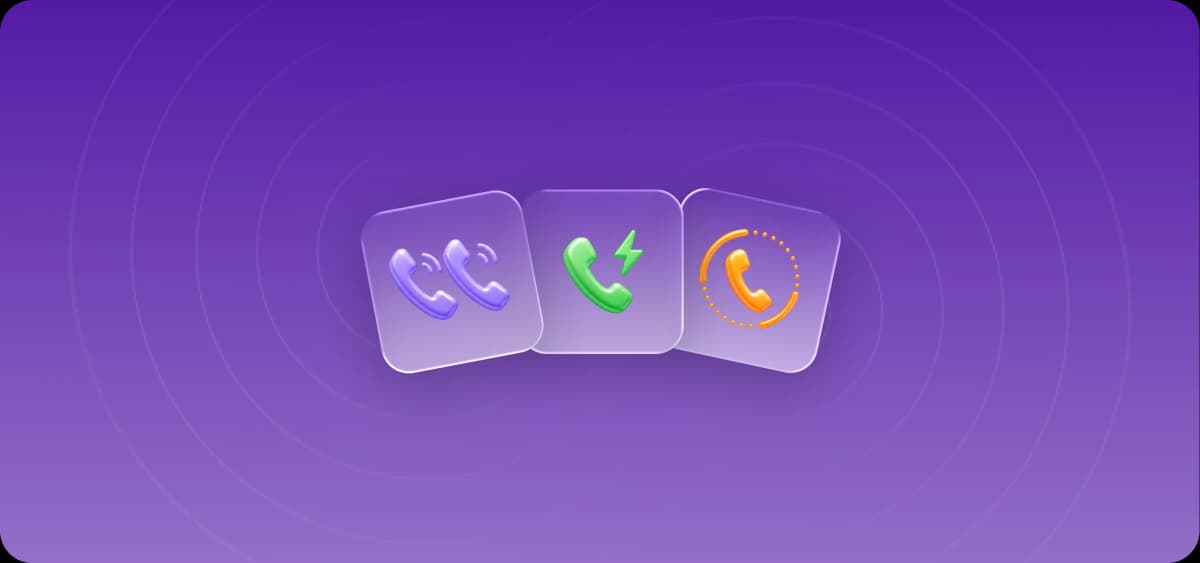
A power dialer places one call at a time and auto-advances to the next number. A parallel dialer rings 3 to 10 numbers at once and connects a rep only when a human answers. A predictive dialer over-dials ahead of available reps using pacing algorithms, which is why it lives under strict Telephone Consumer Protection Act (TCPA) abandonment rules. Most B2B sales teams want a power or parallel dialer, not predictive.
What is the difference between a power, parallel, and predictive dialer?
The three types differ on one axis: how many calls fire relative to how many reps are ready to talk.
A power dialer (sometimes called an auto-dialer or progressive dialer) places one call at a time. A rep finishes a call, the system dials the next number in the list automatically, and no time is lost hand-dialing or misdialing. One rep, one live line. Nothing is abandoned because nothing is dialed until a rep is free.
A parallel dialer places several calls simultaneously, usually 3 to 10, and uses AI answer detection to tell a human "hello" apart from voicemail, an interactive voice response (IVR) menu, or a dead line. The moment a real person picks up, the software bridges this call to a waiting rep and drops the rest. A rep skips every ring, every voicemail, and every no-answer, and only ever hears live humans.
A predictive dialer goes further. It dials ahead of your available reps based on statistical pacing, predicting how many calls will connect and when a rep will free up, so that a live answer lands the instant a rep becomes available. This is the classic contact-center model. Because it deliberately dials more numbers than it has reps to handle, it will sometimes connect a person when no rep is free. This is an "abandoned" call, and it is exactly what the law regulates.
How much does a parallel dialer actually improve connect rates?
The math is straightforward, and it is the whole reason parallel dialers exist. Cold B2B connect rates typically sit somewhere around 5 to 10 percent of dials. On a single line, a rep spends most of an hour listening to rings and leaving voicemails to earn a handful of live conversations.
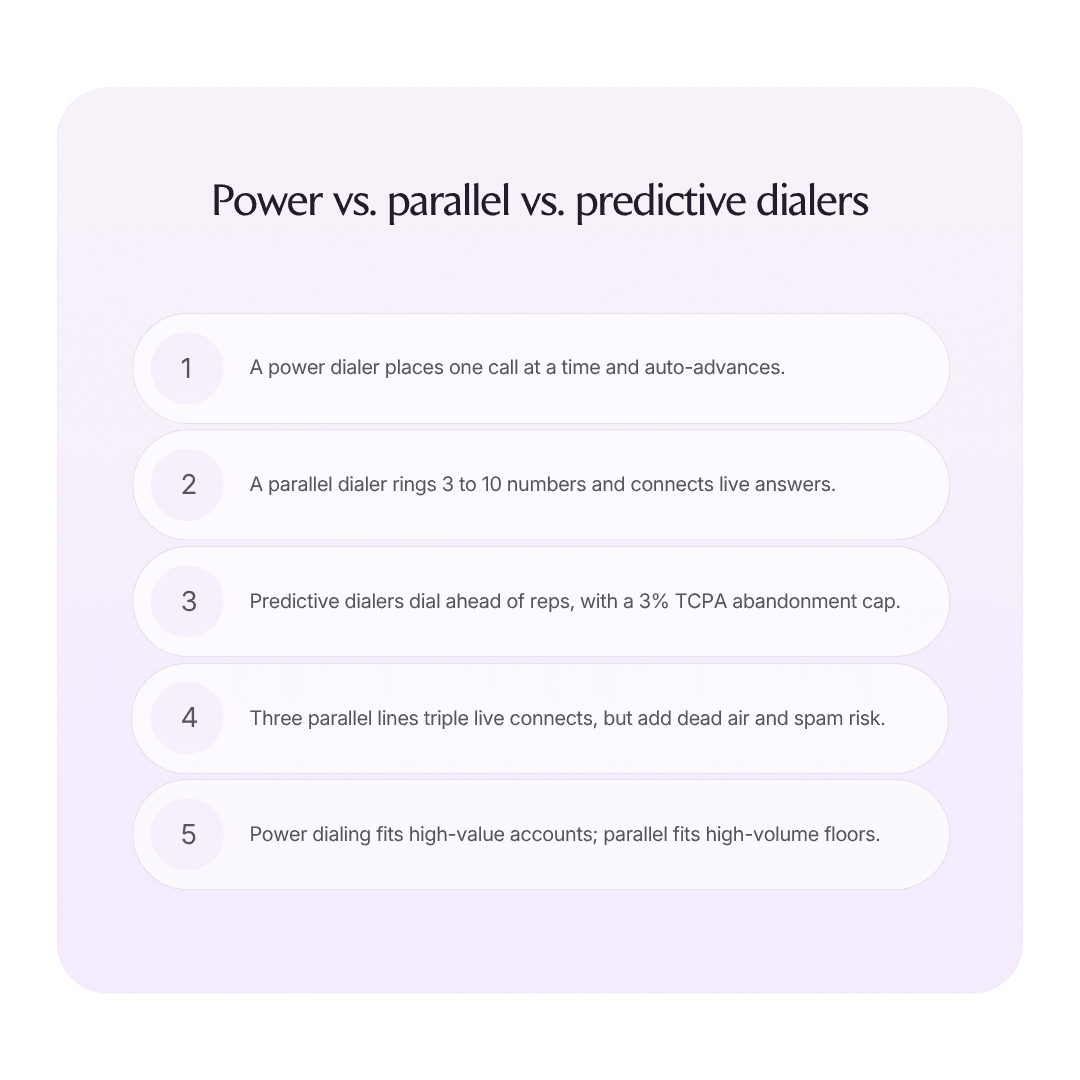
Run three lines in parallel and you triple the number of dials in the same window, so you roughly triple live connects per hour. Five lines, five times the dials. This is why high-volume sales development representative (SDR) floors live on parallel dialers: the model converts idle ring time into conversations.
But the multiplier has a ceiling and a cost. Two things break down as you add lines. First, dead air. If two prospects answer at the same instant, only one rep can take the call, so the other hears a pause or a click before being dropped. Prospects recognize this pause as a robocall, and it burns goodwill on the exact person you wanted to reach. Second, volume itself trips carrier spam filters. Blasting hundreds of dials an hour from a handful of numbers is the pattern carriers use to flag and label lines as "Spam Likely," which then suppresses your connect rate on every future call. The connect-rate gain and the reputation risk pull against each other.
Do TCPA rules apply to predictive and parallel dialers?
Yes, and this is where predictive dialers earn their caution. Under the TCPA and the Federal Communications Commission's implementing rules, a predictive-dialing campaign must keep its call abandonment rate at or below 3 percent, measured per campaign over any successive 30-day period. An abandoned call is one where a live person answers but no rep is connected within 2 seconds. When a call is abandoned, the rules require a recorded message identifying the caller within those 2 seconds. There are also record-keeping obligations.
In practice, predictive over-dialing is built for large staffed call centers that can manage pacing to stay under the cap. For a typical B2B outbound team, predictive dialing brings compliance overhead that outweighs the benefit. Parallel dialers sidestep the worst of this because they connect only on a human answer and are generally used at line counts that keep abandonment low, but you are still responsible for federal do-not-call (DNC) scrubbing, consent-aware recording, and honoring each lead's local calling hours. Any dialer worth buying enforces these automatically instead of leaving them to a rep.
When should you choose each type of dialer?
Match the tool to your motion, not to the biggest number on the spec sheet.
Choose a power dialer if your outbound is lower-volume and higher-value: fewer, better-researched accounts where you want full attention on every dial, clean audio with zero dead air, and no risk of an awkward pause on a hard-won CEO pickup. Power dialing is also the safest default for compliance and for protecting number reputation, because dial volume per number stays sane.
Choose a parallel dialer if you run a genuine call floor whose job is to maximize live conversations per rep-hour, you have enough list volume to feed several lines, and you can tolerate some dead-air and reputation risk in exchange for raw throughput. This is the SDR-blitz use case.
Choose a predictive dialer if you operate a staffed contact center with the headcount and compliance discipline to run pacing under the 3 percent abandonment cap. For most modern B2B sales orgs, this is not you.
The honest reframe is that a dialer is one step in a larger outbound motion. A rep still needs a targeted list, enriched phone numbers, a reason to call, and a follow-up after every conversation. Buying a faster dialer in isolation speeds up one slice of a job that is mostly happening somewhere else.
Where Artisan fits: Dialing inside an AI-run outbound system
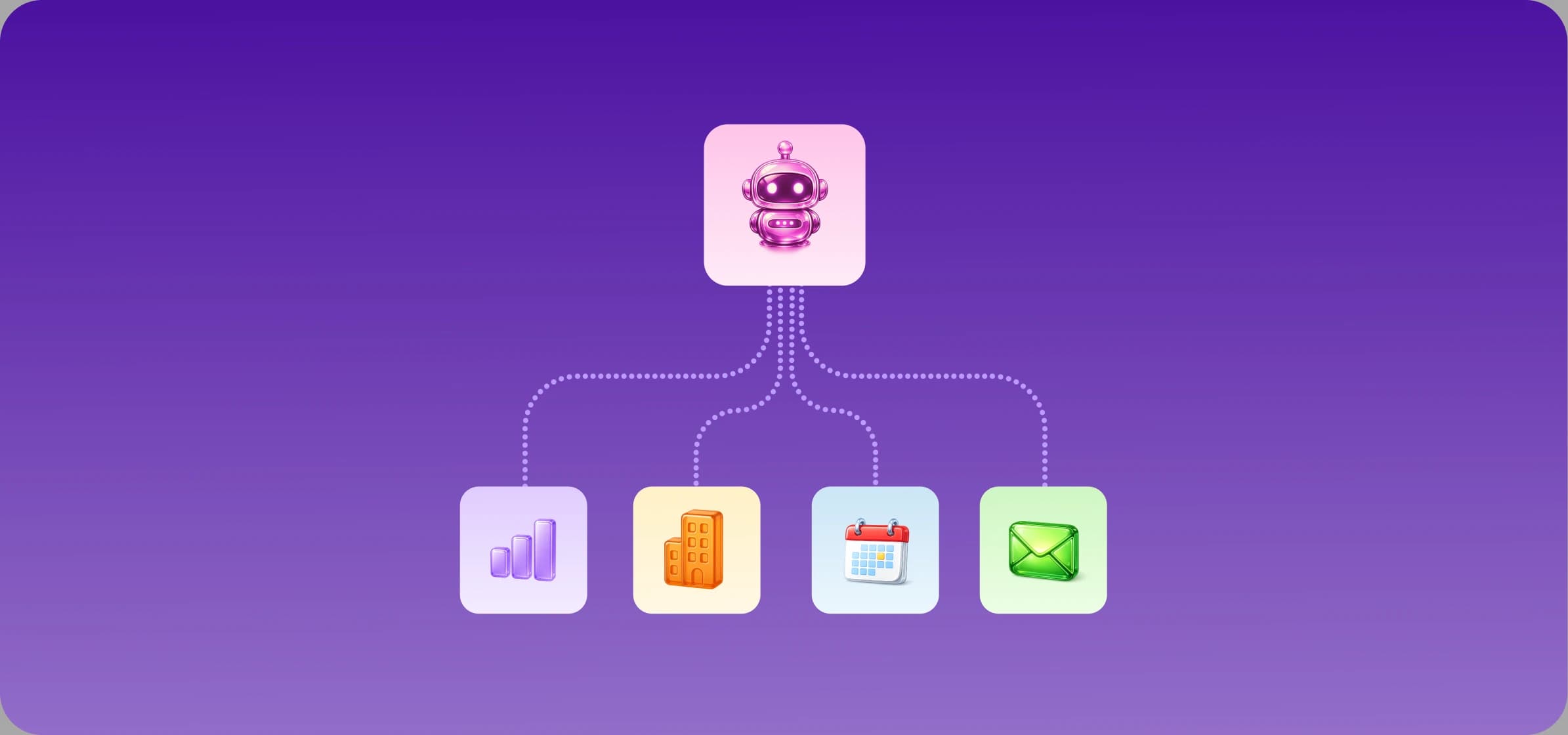
Artisan takes a different angle on the category. Instead of selling calling as a standalone floor tool, it runs the dial as a step inside a multichannel sequence that Ava, its AI business development representative (BDR), manages end to end. Ava finds the leads, waterfall-enriches verified phone numbers (charged only on success), decides when a call fits in the sequence, and drafts the follow-up email after the conversation. The AI sales agent owns the surrounding work, and the calling is one channel among email and social media.
On the calling itself, Artisan supports both power dialing and parallel dialing up to three lines with AI answer detection, live AI talking points loaded before the call connects, live transcription, auto-classified outcomes, AI voicemail drop, and automatic area-code matching. The compliance layer is enforced per lead automatically: federal DNC checks, lead-local calling-hours enforcement, consent-aware recording, and carrier spam-reputation monitoring with per-number call ceilings that protect a large team's connect rates. Numbers are pooled at the org level with personal callback routing, so a prospect calling back reaches the right rep's phone, and calls log natively to the right owner's CRM record.
The economics are the other half of the story. Artisan's pricing is usage-based, so you pay for the work Ava actually performs, and the dialer runs inside that same platform instead of arriving as a separate contract. Dedicated parallel dialers typically charge from $200 to over $300/user/month on annual, demo-gated terms.
The concession is narrow and real: Artisan parallel-dials up to 3 lines, not 5 to 10. If your entire motion is maximum-volume parallel calling and nothing else, a dedicated tool built purely for that will out-dial it. For a fuller category breakdown, see the best AI dialers and parallel dialers and our pick of the best outbound dialer.
Chain of Events saw the compounding effect of running the whole motion in one place instead of stitching a dialer into a stack. The team sourced over $700K of annual recurring revenue (ARR) in six months with Ava, a 20x return.
Comparison: Power vs. parallel vs. predictive
Dialer type | How it works | Best for | Main risk | Typical pricing |
Power | One live call at a time, auto-advance | Low-volume, high-value outbound; clean audio; compliance safety | Lower raw throughput | Often bundled; included in Artisan's usage-based platform |
Parallel | 3 to 10 lines, AI answer detection, bridges live pickups | High-volume call floors that chase connect rate | Dead air, spam flagging | Dedicated tools $200 to over $300/user/month |
Predictive | Over-dials ahead of available reps via pacing | Staffed contact centers | TCPA 3% abandonment cap, legal exposure | Enterprise contact-center pricing |
Frequently asked questions
What are the top power dialers in 2026?
The market splits into standalone calling tools and outbound platforms with dialing built in. Standalone parallel and power dialers include Nooks, Orum, Salesfinity, Kixie, JustCall, and PhoneBurner (deliberately single-line, with spam remediation). Platforms that fold power and parallel dialing into a fuller outbound motion include Artisan, which runs calling as one channel inside an AI-managed sequence. The right pick depends on whether you want a dedicated call floor or the dialer inside your whole system. See Kixie vs. JustCall and Nooks pricing and reviews for closer looks.
Is a parallel dialer better than a power dialer?
Neither is universally better; they optimize for different things. A parallel dialer maximizes live conversations per hour and suits high-volume floors, at the cost of some dead-air and spam-flagging risk. A power dialer maximizes call quality and reputation safety and suits lower-volume, higher-value outbound. If every pickup is a hard-won executive, power dialing protects the moment. If you are running a numbers game, parallel wins on throughput.
Are predictive dialers legal for B2B outbound?
Predictive dialers are legal but tightly regulated. Under the TCPA and FCC rules, a predictive campaign must keep abandoned calls at or below 3 percent over any 30-day period and must play an identifying message within 2 seconds of an abandoned pickup. Compliance is manageable for staffed contact centers with pacing controls, but the overhead usually outweighs the benefit for typical B2B sales teams, who are better served by power or parallel dialing.
How do dialers avoid being flagged as spam?
Spam labeling comes from carriers detecting high-volume, low-answer calling patterns from a small pool of numbers. Defenses include spreading dials across pooled numbers, capping calls per number, matching the prospect's area code, introducing new numbers gradually, and monitoring each number's reputation to pull flagged lines before they hurt connect rates. Artisan runs carrier spam-reputation monitoring with per-number ceilings automatically so a large team's dials stay clean.
How much does a parallel dialer cost?
Expect from $200 to over $300/user/month for dedicated parallel dialers, usually on annual contracts with demo-gated pricing. Salesfinity publishes transparent tiers around $149 to $349/user/month for five lines. Artisan includes power and parallel dialing up to three lines in its usage-based platform, so calling is part of the work you already pay Ava to do instead of a separate per-seat license. For the wider category, see our roundup of the best autodialers.
Do I even need a dialer if I do outbound?
Only if calling is part of your motion. Plenty of teams run outbound entirely through email and social media and never touch a phone. If you do call, your dialer matters less than what surrounds it: a targeted list, enriched phone numbers, a reason to call, and a follow-up after every conversation. A faster dialer speeds up one step of a job that is mostly happening elsewhere, which is why an AI BDR that owns the full sequence often beats a bolt-on dialer. To sharpen the calls themselves, see our cold calling scripts.
What is dead air and why does it matter?
Dead air is the silent pause a prospect hears when a parallel dialer connects their answer but no rep is free to take it, or when the software drops a simultaneous second pickup. Prospects read this pause as a robocall and hang up, which wastes a live connection with someone who actually answered. More lines mean more simultaneous pickups and more dead air, so raw line count trades against conversation quality.
Ready to see calling run inside an autonomous outbound system? Compare the model on Artisan's pricing page or start at the Artisan homepage.
Related reading

Artisan Team
Expert insights from the team at Artisan
Our writing team blends direct operational experience, in-house data, and thorough research to bring you the very latest insights and updates about sales and GTM automation.